
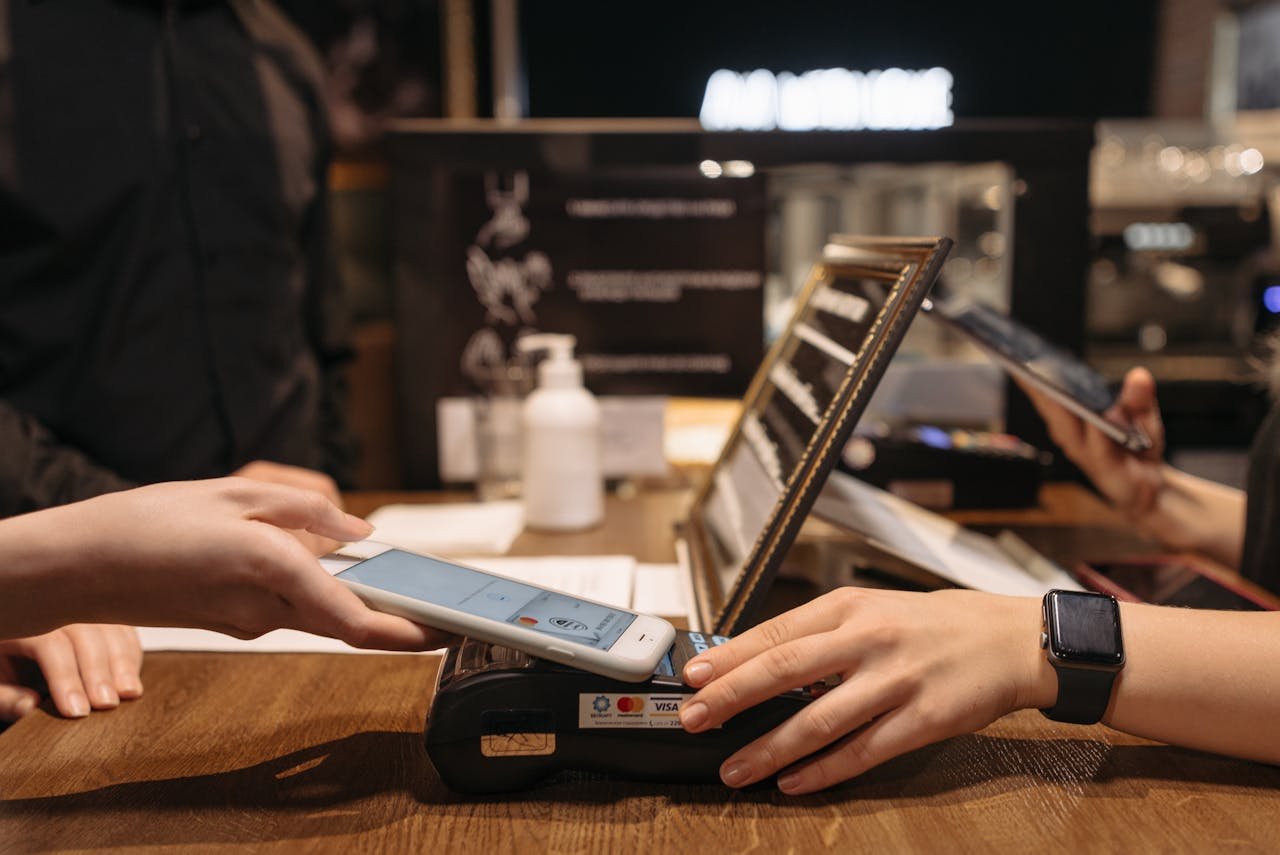
In the past decade, the way we pay for goods and services has undergone one of the fastest transformations in financial history. From mobile wallets and contactless cards to biometric verification and cryptocurrency transactions, digital payments have moved from being a convenience to becoming the default. For both businesses and consumers, this shift is more than technological; it’s cultural, shaping how we shop, how we save, and even how we entertain ourselves.
The Influence of Fintech on Consumer Habits
Fintech has not only accelerated the adoption of digital payments but has reshaped how consumers think about money. Mobile banking apps, peer-to-peer transfer platforms, and instant payment networks have trained users to expect real-time transactions. A transfer that once took days is now instant, whether it’s paying a friend back for dinner or settling a bill with a small business abroad.
Interestingly, the entertainment industry has mirrored this shift. Online casinos, for example, were among the first to embrace instant deposits and withdrawals. Even niche formats such as deposit 1 pound casinos show how far this innovation has gone, lowering barriers for players while still offering fast payouts, flexible payment methods, and secure transactions. These kinds of improvements became a model for how digital services can enhance trust and user satisfaction. The same demand for immediacy that drives casino players also influences consumer expectations in retail, travel, and financial services.
The Rise of Mobile and Contactless Payments
The most visible change in everyday transactions has been the rise of mobile and contactless payments. What began as a niche feature for early adopters has become widespread across the UK and Europe. Consumers now expect to be able to tap their phone, smartwatch, or card and move on without fumbling for cash. This speed and simplicity are why digital wallets like Apple Pay, Google Pay, and PayPal have become nearly universal at checkout counters.
For businesses, this shift has been equally transformative. Retailers and service providers are adapting point-of-sale systems to accept contactless options, not just because customers demand it, but because it also improves efficiency, security, and data collection. A seamless payment experience has become as important as the product itself in today’s competitive market.
The Role of Security and Regulation
With the boom in digital transactions comes an equally urgent need for security. Fintech companies are at the forefront of developing tools that protect consumers against fraud while ensuring compliance with regulations. Features such as two-factor authentication, biometric ID verification, and real-time fraud monitoring are now standard.
Governments and central banks are also pushing for stronger frameworks to support this shift. In the UK, the introduction of Strong Customer Authentication (SCA) under PSD2 legislation has raised the bar for online payments, forcing businesses to strike a balance between security and user convenience. For consumers, this means safer transactions; for businesses, it adds a layer of responsibility to remain compliant while staying competitive.
Cross-Border Transactions and the Global Push
Another key area where fintech is reshaping payments is cross-border transactions. Global commerce increasingly depends on the ability to pay and get paid across multiple currencies and regions. Fintech startups and established players alike are racing to make these processes cheaper, faster, and more transparent.
This is not only vital for international trade but also for individuals who live globally connected lives. Digital nomads, remote workers, and frequent travelers benefit from the ability to move money instantly without heavy fees. Digital entertainment platforms, international marketplaces, and subscription services have become early adopters of such technology, proving how financial innovation spreads across industries.
The Future of Digital Payments
Looking forward, the boom in digital payments is set to continue with further innovations. Central Bank Digital Currencies (CBDCs), blockchain-powered settlements, and biometric technologies are all pushing the boundaries of what is possible. Consumers will increasingly expect invisible payments, where transactions happen seamlessly in the background of their digital lives.
For businesses, this future presents both opportunities and challenges. Embracing digital payment systems will no longer be optional but essential. Those who adapt quickly will benefit from greater efficiency, customer loyalty, and the ability to participate in an increasingly global financial ecosystem.
Conclusion
The digital payments boom is not just a financial trend, it is a complete restructuring of how transactions work in the modern world. Fintech innovations are setting new standards for speed, security, and accessibility, while industries from retail to online casinos showcase how these advances can enhance user experience. As technology continues to evolve, payments will become more seamless, more global, and more secure, shaping a financial landscape where convenience is no longer a luxury but an expectation.