
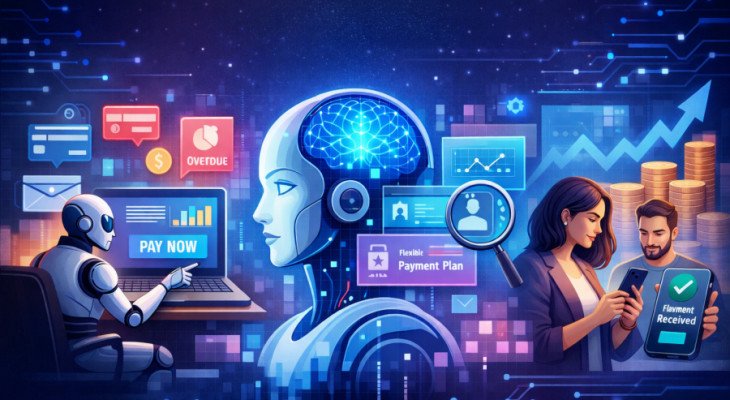
Over the past decade, India has seen rapid growth in the lending space. With the introduction of Digital loans, Buy-Now-Pay-Later (BNPL), and Consumer Credit to the Lending ecosystem, the way in which lending occurs, and the way consumers access financing, has become much easier, faster, and more customisable. However, the front end (lending) has experienced a tremendous amount of digital transformation, whereas Collections (the most important portion of a Portfolio) has remained unchanged. Collections continues to rely heavily on the use of manual phone calls, manual agents in the field, and using standardised scripts to communicate with Borrowers, without taking into account the true situation of Borrowers. Many of today’s lending businesses have modern loan portfolios, but still use outdated methods of collecting on loans.
In recent years, there has been a growing shift between lenders’ views of borrowers’ interactions and how those same borrowers view themselves. Artificial Intelligence is influencing lenders’ ability to comprehend, connect with and help customers during their entire repayment experience. Now collections can evolve from solely being about recovering money from those who owe it to lenders, now having an opportunity to strategically manage their portfolios by intervening earlier in the lender-borrower relationship, developing more empathetic communication with borrowers and matching solutions to the way the customers will behave.
Lenders have historically struggled to interact with borrowers in order to reduce operational costs, increase profitability and reduce portfolio risk with traditional collection methods. Lenders could only interact with borrowers after they had defaulted. They also utilised uniform collection scripts without first trying to assess the borrower’s reasons for default. Without the benefit of behavioural insights and early warning indicators, lenders primarily react to delinquencies rather than preventing them from happening. The reactive approach creates unnecessary relationship stress for borrowers and increases overall operational costs and portfolio risk for lenders.
AI is changing how loans are made. The biggest way AI is changing the loan process is through how lenders interact with borrowers. In particular, lenders can predict which borrowers are likely to miss a payment using statistical prediction models. By using these kinds of models, lenders can start the outreach process (before the borrower has actually missed a payment) with a less disruptive, more timely, and more contextual method. For example, lenders can use Voice Artificial Intelligence bots to reach out to borrowers in up to 20 different languages with a natural language interface, therefore allowing them to better manage a high volume of proactive outreach to borrowers early in the loan process. The use of voice AI technology also allows Voice AI bots to modify and adjust the tone, speech speed, and content of their conversations with potential borrowers based on their interaction with them, creating a much more comforting, customised communication than calls made by traditional telephone agents.
AI allows organisations to communicate precisely and match channels used in the future with borrower personas based on past engagements and selected dialogue channels. It selects the optimal multi-channel combination of communication methods (WhatsApp, SMS, Email, IVR and App Notifications) for each borrower using Predictive Delivery Timing analyses, as well as Empathetic Nudges Language that helps reduce anxiety about repaying a loan and encourages borrowers to cooperate with Action Rates to achieve maximum visibility and actionability of their communication.
Besides enhancing early intervention capabilities for borrowers, AI has transformed how lenders perceive their customers’ behaviours. In addition, machine-learning technologies have advanced enough to separate short-term cash-flow problems from long-term chronic defaults. As a result of gaining a better understanding of their customers’ behaviours through machine learning, lenders have been able to develop an individualised repayment approach specifically for each customer’s unique situation, versus using the same cookie-cutter repayment process for every borrower. Therefore, customers now have more options and support in repaying the loan, making it easier for them to handle their debts and lessen the emotional stress from being in collections.
Behavioural segmentation powered by AI has created cohorts of borrowers based on categories, including “situational defaulter”, “risky but willing to pay”, “chronic delinquent”, and “strategic defaulter”. Borrowers in different segments will receive different workflows, repayment pathways, and communications. This helps lenders provide appropriate levels of urgency, tone, and support.
Lender Communication strategies are evolving to be more “intelligent.” Lenders use Artificial Intel technologies & other similar products to automate messages which remind & inform borrowers about upcoming payments or deadlines; and to send these messages at the time that they are most appropriate based on the borrower’s cost structure and spend cycle (i.e., payday). This approach results in improved borrower engagement, fewer missed messages (CAD), and allows borrowers to connect with their loan officer when they have the opportunity. The overall customer experience is becoming more supportive vs. confrontational.
This change is the first step in repurposing the collection into a Financial Wellness function. Collections are no longer just seen as debt collection, but rather as providing advice for borrowers to help them manage their personal finances, reduce anxiety and make educated decisions on repayment plans.
The majority of high-volume, regular communications between borrowers and lenders is being performed using technology during the early stages of collections. Because of this, the role of a collector has changed. Today, collectors no longer merely follow a script to see whether an account is overdue; they are now referred to as “debt resolution specialists.” Collectors now take time to learn about the difficulty a borrower is facing, then help construct a repayment plan for them, along with potential debt consolidation or settlement choices. In addition, field visits (which used to be a conventional practice for collections) are now considered uncommon. The efficiencies of AI combined with the dedication and compassion of a collector produce a better balance and collaboration for both borrowers and lenders.
The transition to a borrower-centred model is already yielding quantifiable advantages. As lenders embrace AI-driven strategies, they have seen increases in response rates, improved promise-to-pay rates, enhanced compliance, and more predictable cash flow. In addition to improved operational efficiency due to increased automation, the true benefit of aligning communications and solutions to the behaviours of borrowers is to relieve stress and add transparency.
As collections evolve, the future is clear: a new data-driven, AI-enabled, empathetic environment that places an equal emphasis on the borrowers’ financial wellness alongside recovering the lender’s debt. Voice AI will handle the majority of the first-stage communications with borrowers, behavioural models will create repayment pathways, and complex repayment situations will be resolved with respect and compassion through the involvement of trained human officers. The shift from intimidation-based recovery to actual collaborative financial problem solving will mark a sea change in the industry and the way collections support the borrower.
The early stages of implementing advanced technology have positively affected portfolio performance for fintech businesses and lending institutions. The current advancements in predictive capabilities, personalised experiences and proactive customer interaction have also led to a decline in NPAs (non-performing assets), improved borrower relationships and the change from a punitive act of loan repayment into a financially informed experience. As artificial intelligence continues to evolve, the function of collections will transition away from being a last step to becoming an integrated function that creates additional levels of credibility and sustainable growth within the lending industry.
Disclaimer: The views expressed in this article are those of the author and do not necessarily reflect the views of the publication.