
Nearly 100 social landlords are in talks with Octopus Energy about a zero-bills tariff set up for affordable housing providers, Inside Housing can reveal.
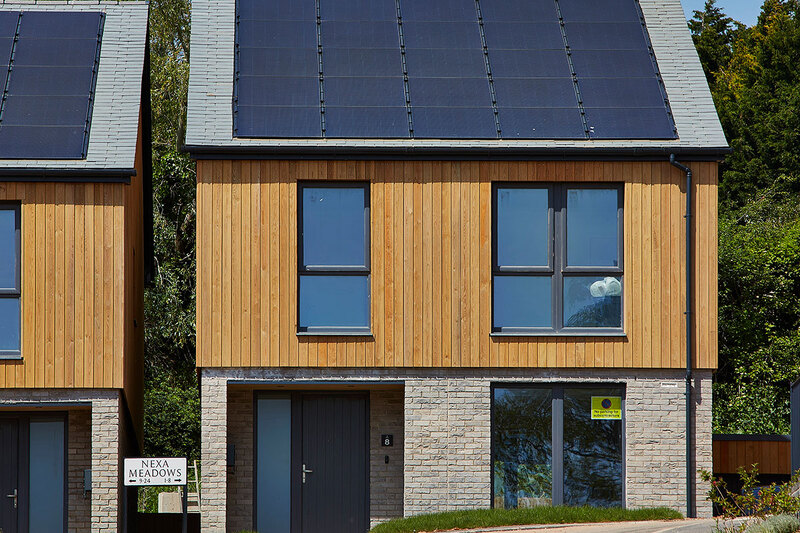
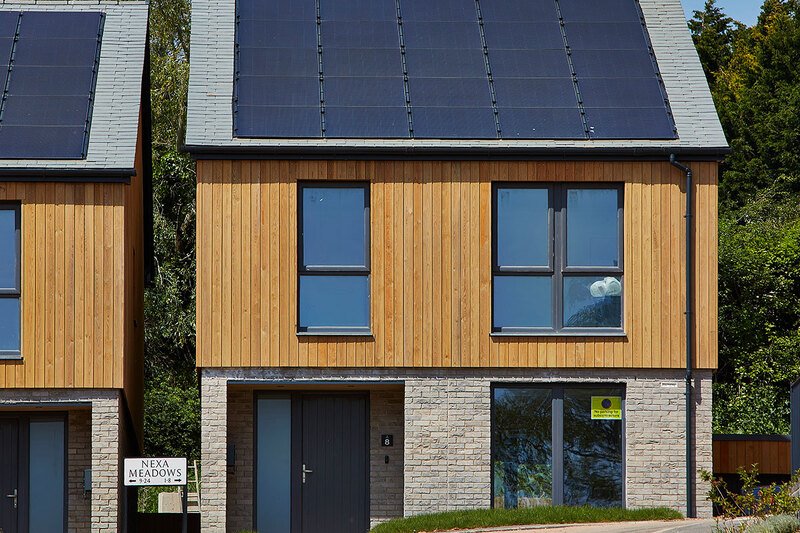
A zero-bills home from Sovereign Network Group and Octopus Energy (picture: Octopus Energy)
Sharelines

 Nearly 100 landlords in talks with energy provider about zero-bills tariff #UKhousingNearly 100 social landlords are in talks with Octopus Energy about a zero-bills tariff set up for affordable housing providers, Inside Housing can reveal #UKhousing
Called Tenant Power, the scheme splits the cost of installing a solar battery system in social homes between the resident and the landlord, meaning both make savings.
Last week, it was announced that the tariff will be launched for the first time in 1,500 homes managed by housing association Together Housing, backed by funding from the West Yorkshire Combined Authority to “scale up” the roll-out.
Nigel Banks, technical director of zero bills and low-carbon homes at the Octopus Energy, told Inside Housing that the energy provider is “talking to nearly 100 different organisations around how this Tenant Power model could work in both new build and retrofit.”
He explained that the zero-bills model means people living in homes with a solar panel and battery do not have to pay for their energy for up to 10 years and can sometimes be paid to use energy when the price is negative. However, there is a fair use policy and the energy cannot be used to charge electric vehicles.
Tenants do not get paid for the energy created in their home and Octopus is paid by the national grid to optimise when it charges and discharges the batteries, which is what makes the scheme stack up financially for the company.
Around a fifth of zero-bill homes so far are owned by social housing providers, including Clarion, Platform Housing Group and NewArch Homes, Octopus’ own provider.
But Mr Banks said the Tenant Power tariff has been created to improve uptake of the zero-bills model in the sector as under the standard tariff, landlords must take on the extra cost of installing the panels and battery, as well as potentially insulation work.
“We needed to find a mechanism to share those benefits,” he explained.
Through the tariff, residents receive a fixed percentage discount on their electricity, typically 30%, and the rest of the savings go back to the landlord.
“So it’s kind of a win-win for everyone in the system,” Mr Banks added. “That means that generates a revenue stream, which will hopefully enable housing associations to roll this out at a bigger scale, in both new build and across their existing housing.”
Rolling out energy upgrades to homes can also reduce tenants’ heating bills if they use electricity-based heating, such as a heat pump. Being able to afford to put the heating on is a key factor in dealing with damp and mould, Mr Banks pointed out.
Octopus is currently promoting its own range of heat pumps to install in social housing. These can record temperature and humidity to help understand if there is a higher risk of these issues, which are high on the agenda following the roll-out of the first phase of Awaab’s Law last year.
Mr Banks said solutions are being explored for flats, where energy needs to be shared between residents, adding that there are already heat pumps that can work for these homes.
Last week the government revealed its Warm Homes Plan, which included a £2.7bn expansion for boiler upgrades to subsidise 360,000 heat pumps and a Warm Homes Fund backed by £5bn, which will support homeowners to install solar panels, batteries and heat pumps as well as investing in the retrofit sector.
Mr Banks stressed that batteries are much more cost-effective than they were – the price has halved in the past year-and-a-half and is expected to fall further – and guarantees have tripled from five to 15 years.
Solar panels have also reduced in price by two or three-fold in the past two or three years and have become more efficient.
He acknowledged that making smart tariffs simple is a challenge and while those offered are “relatively straightforward”, it is “still a step change”.
Mr Banks adds: “I think one of the advantages of the government potentially shifting towards installing heat pumps, solar panels, batteries, rather than more disruptive works like external or internal wall insulation, is that that work can be carried out relatively quickly and with less disruption.”
Sign up to Inside Housing’s Sustainability newsletter
Sign up to Inside Housing’s weekly Sustainability newsletter, featuring our in-depth coverage of the sector’s journey to delivering net zero.
Click here to register and receive the Sustainability newsletter straight to your inbox.
And subscribe to Inside Housing by clicking here.
Already have an account? Click here to manage your newsletters.