
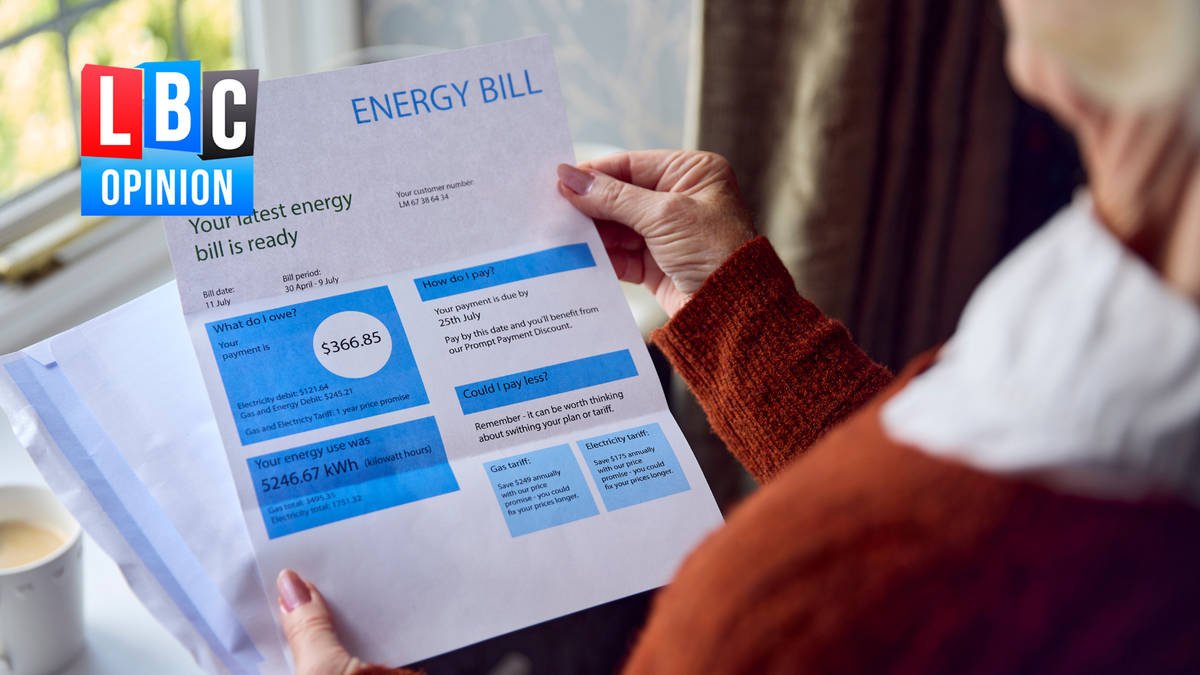
The country is dealing with two crises at once: a climate crisis and a cost-of-living crisis. Serious energy policy has to recognise both. You cannot ask families to accept permanently higher bills and hope public support for net zero will simply hold.
At the Tony Blair Institute, we strongly support clean power and the goal of net zero. But if it is going to last – politically and economically – it must be delivered as cheaply as possible. Cutting energy bills is not a “nice to have”. It is the condition for economic success.
That means the focus of energy policy must shift from building more power at any cost to delivering cheaper power for households.
Offshore wind will remain a vital part of Britain’s energy future. The latest auction results show it can still be built with prices kept more or less in check. But it’s unlikely to bring down household bills.
The big test for government is what happens next: can new clean power actually be integrated into the system in a way that cuts costs, rather than adding waste and delay? That would mean fixing planning bottlenecks, speeding up grid connections, and reforming the electricity market so lower prices reach consumers.
Some voices argue the answer is to weaken Britain’s climate commitments altogether. That would be a mistake. But endless new targets without a plan to cut bills would be just as damaging.
What we do need is a shift in priorities: cheaper power by 2030, and net zero by 2050. This keeps climate goals intact while making cost, growth and value for money the central test of success.
The government’s Clean Power 2030 plan was launched in the middle of the gas crisis. Since then, the world has changed. Interest rates are higher, the grid is struggling to cope, and electricity in the UK is now far more expensive than gas.
Ministers should act now to ease pressure on bills. One immediate step would be providing hundreds of millions of pounds in relief for families already weighed down by energy debt through suspending carbon taxes on gas until 2030, including the Carbon Price Support Levy.
At the same time, the electricity market needs a full overhaul to attract investment and cut costs. Measures like zonal pricing could save consumers up to £55 billion by 2050 by making sure power is generated and used more efficiently.
The UK must also modernise the grid, use smarter technology, back a balanced mix of renewables and nuclear, and stop wasting money on the most expensive options. Cutting red tape so projects can connect faster would make an immediate difference.
Net zero will fail if it is seen as something imposed regardless of cost. Clean energy must mean lower bills and stronger growth – not permanent anxiety for households.
If ministers want public support to last, they must prove that every energy decision helps bring bills down. Targets matter. But energy bills are what voters feel.
approach.
The country is dealing with two crises at once: a climate crisis and a cost-of-living crisis. Serious energy policy has to recognise both. You cannot ask families to accept permanently higher bills and hope public support for net zero will simply hold.
At the Tony Blair Institute, we strongly support clean power and the goal of net zero. But if it is going to last – politically and economically – it must be delivered as cheaply as possible. Cutting energy bills is not a “nice to have”. It is the condition for economic success.
That means the focus of energy policy must shift from building more power at any cost to delivering cheaper power for households.
Offshore wind will remain a vital part of Britain’s energy future. The latest auction results show it can still be built with prices kept more or less in check. But it’s unlikely to bring down household bills.
The big test for government is what happens next: can new clean power actually be integrated into the system in a way that cuts costs, rather than adding waste and delay? That would mean fixing planning bottlenecks, speeding up grid connections, and reforming the electricity market so lower prices reach consumers.
Some voices argue the answer is to weaken Britain’s climate commitments altogether. That would be a mistake. But endless new targets without a plan to cut bills would be just as damaging.
What we do need is a shift in priorities: cheaper power by 2030, and net zero by 2050. This keeps climate goals intact while making cost, growth and value for money the central test of success.
The government’s Clean Power 2030 plan was launched in the middle of the gas crisis. Since then, the world has changed. Interest rates are higher, the grid is struggling to cope, and electricity in the UK is now far more expensive than gas.
Ministers should act now to ease pressure on bills. One immediate step would be providing hundreds of millions of pounds in relief for families already weighed down by energy debt through suspending carbon taxes on gas until 2030, including the Carbon Price Support Levy.
At the same time, the electricity market needs a full overhaul to attract investment and cut costs. Measures like zonal pricing could save consumers up to £55 billion by 2050 by making sure power is generated and used more efficiently.
The UK must also modernise the grid, use smarter technology, back a balanced mix of renewables and nuclear, and stop wasting money on the most expensive options. Cutting red tape so projects can connect faster would make an immediate difference.
Net zero will fail if it is seen as something imposed regardless of cost. Clean energy must mean lower bills and stronger growth – not permanent anxiety for households.
If ministers want public support to last, they must prove that every energy decision helps bring bills down. Targets matter. But energy bills are what voters feel.
____________________
Tone Langengen is the Tony Blair Institute’s Senior Policy Advisor for Energy Policy.
LBC Opinion provides a platform for diverse opinions on current affairs and matters of public interest.
The views expressed are those of the authors and do not necessarily reflect the official LBC position.
To contact us, email opinion@lbc.co.uk