
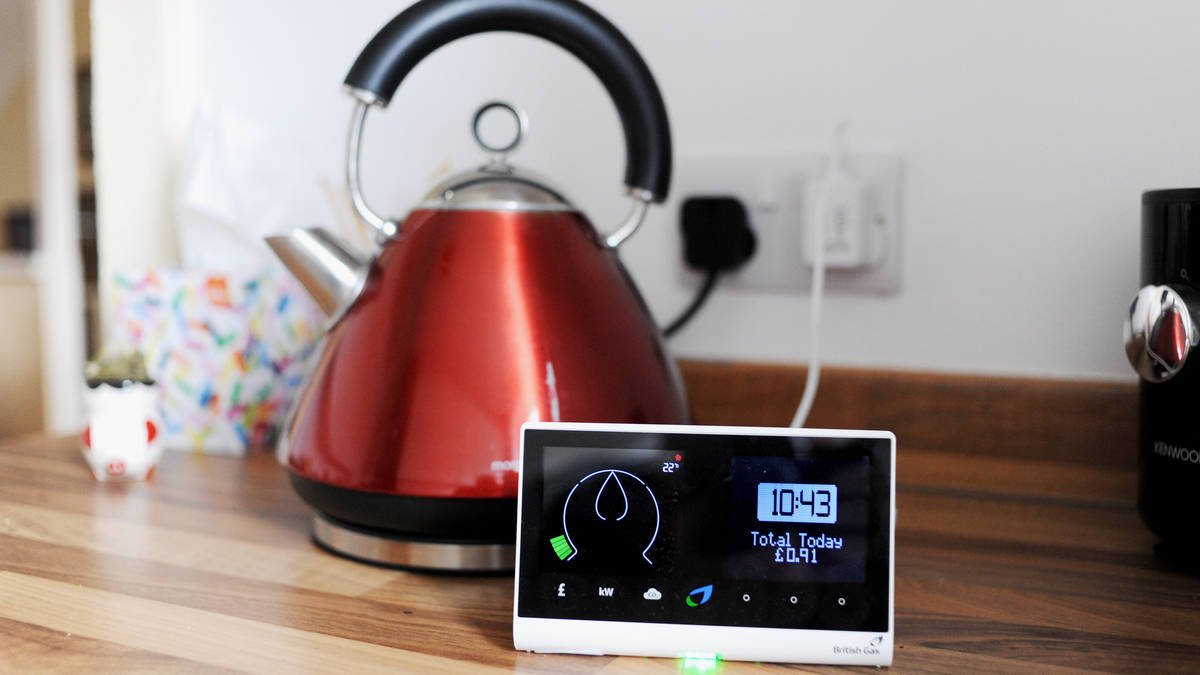
From kitchen essentials to home heating and entertainment systems, some devices consume far more power than others.
Understanding which appliances use the most electricity is a crucial first step toward cutting costs, reducing waste, and making smarter choices at home.
Here are the top five appliances that you may use in your own homes that use the most energy.
5. Ovens, Microwaves and Kettles – 4%
Kitchen appliances account for 4% of the average household’s electricity consumption.
While essential, these devices are among the lowest energy users on the list largely because they’re used for shorter periods compared with other appliances.
Even small changes can make a difference. For example, avoiding overfilling the kettle could save up to £10 a year.
4. Lighting – 5%
Lighting makes up around 5 per cent of the average household’s total energy bill.
Simply remembering to switch lights off when they are not in use could save households up to £8 a year.
A significant portion of this cost comes from the continued use of halogen bulbs.
Switching to more energy-efficient LED lighting can reduce electricity consumption, potentially saving households around £45 annually.
3. TVs, Laptops and Games Consoles – 6%
Consumer electronics, such as televisions, laptops and games consoles, contributes around 6 per cent to an average energy bill.
While individual devices use relatively small amounts of electricity, their combined use quickly adds up.
Switching devices off standby and choosing appropriately sized, energy-efficient models can help households cut costs, with potential savings of up to £45 a year.
2. Fridges and Freezers – 13%
Cold appliances such as fridges and freezers are among the biggest electricity users largely because they run 24/7.
They contribute around 13 per cent to the average home’s energy bill.
Even though they don’t heat water or air, keeping internal temperatures stable takes continuous power.
While they are a long lasting appliance, with a typical lifespan of 17 years, these costs do accumulate over years of operation.
Energy efficiency is an important factor to consider when estimating running costs, with higher ratings typically resulting in lower energy bills.
1. Washing machines, dishwashers and tumble dryers – 14%
Washing machines, dishwashers and tumble dryers account for around 14 per cent of a typical household energy bill, placing them at the top of the list.
This is mainly due to the electricity required to heat water and air during each cycle.However, energy ratings can make a significant difference to running costs.
For example, an A-rated dishwasher costs around £40 a year to run, compared with £75 for a G-rated model.
Furthermore, washing clothes at lower temperatures, running full loads and using eco or short cycles can help households reduce energy use and cut costs.
While some appliances are unavoidable, understanding how and when they use electricity can make a real difference over time.
Small changes, such as choosing energy-efficient models or adjusting everyday habits, can help households reduce their energy bills without sacrificing comfort or convenience.