

OLYMPIA — The Washington State Legislature has unanimously passed House Bill 1522, a measure designed to bolster the wildfire mitigation strategies of investor-owned electric utilities. Gov. Bob Ferguson signed the bill into law April 24, with it to go into effect July 27, 2025.
“This bill builds on what we’ve already been doing,” said Tom Dent, R-Moses Lakes. “A few years back, we passed a bill that allowed utilities to put together wildfire mitigation plans—to clear brush, cut down hazard trees, and reduce fuel loads. And that’s been working. But now we’re taking it a step further.”
The bill, sponsored by Reps. Tom Dent, R-Moses Lake; Larry Springer, D-Union Hill; Kristine Reeves, D-Federal Way; and Natasha Hill, D-Spokane, aims to enhance safety protocols for electricity transmission in the wake of increasing wildfire risks associated with climate change and prolonged drought conditions.
“The bill garnered bipartisan support because we don’t want to see the detrimental impacts of wildfires, especially if it can be avoided,” Sen. Judy Warnick, R-Moses Lake, said. “We don’t want to end up like that California fire that killed people and destroyed thousands of acres of land because there was too much fuel in one spot. They couldn’t stop the fire and that is what we are trying to prevent.”
The blaze Warnick referenced is the Camp Fire in Paradise, Calif., in 2018, which was started by a downed power line. Dent also mentioned the fire during several of the bill’s hearings. The line ignited dry vegetation and led to a rapidly spreading wildfire, which resulted in 85 fatalities, destroyed nearly 19,000 structures and scorched around 150,000 acres of land, according to the U.S. Department of Education, which did a study on the fire.
As wildfires become an ever-growing concern, particularly in the western United States, the newly enacted legislation mandates that electrical utilities file comprehensive wildfire mitigation plans with the Utilities and Transportation Commission. Under the provisions of HB 1522, the UTC is required to either approve or reject these plans within 60 days, Dent said.
“This sets forth a process where those places would be approved by the UTC,” John Rothland from Avista Utilities said during the bill’s hearing. “That’s an important step for us because it sends a signal to rating agencies and gives them confidence that we are appropriately mitigating wildfire risk and reduces our cost to capital.”
Previously, the plans did not have a process for rejection or approval steps in place, so he said he is hoping this will be helpful for the electrical utilities to ensure they are being as preventive as possible.
“Electric utilities will put together a wildfire mitigation plan right away so we can control the fuel in case of a wildfire,” Dent said. “Basically we are helping them control the fuel into these right-of-ways to allow for time to respond if a power line or something goes down. If there isn’t a lot of fuel stored around there, it allows for firefighters to have time to do their jobs safely and control the blaze.”
Dent said he sat down with the electrical utilities to form a plan before the bill even saw the House floor.
“We had them all in the room, they (the electrical utilities) all shook hands and agreed this was a good way forward for wildfire prevention,” Dent said. “I liked the cooperation of the utilities because sometimes they are concerned about how their ratepayers will be impacted or what this might cost but they have seen the consequences of not being prepared for fires and so this bill passed with both their support and other legislators’ support.”
The bill outlines specific requirements for the utilities’ wildfire mitigation plans, which include vegetation management along transmission and distribution lines, infrastructure inspection and maintenance protocols and the identification of appropriate rights-of-way management practices.
Utilities must update their mitigation plans every three years to ensure ongoing efficacy and compliance with the latest standards.
The UTC plays a crucial role in this regulatory framework as the body responsible for overseeing the implementation of the plans.
In addition to the required approval of plans, the UTC has the authority to suggest modifications based on a balancing of mitigation costs against potential reductions in wildfire risk. Such modifications would be transparently communicated in the UTC’s order of approval, ensuring that all stakeholders understand the rationale behind them.
Implementation of the bill in estimated cash receipts will cost around $70,500 in 2025-27, about $32,800 for 2027-29 and 2029-31, with all of the funds going to the Utilities and Transportation Commission. The estimated operating expenditures will go to the Office of the Attorney General for $394,000 for the first two years and $172,000 every two years for the following four years. The Utilities and Transportation Commission will also receive around $70,500 for the first two years and about $32,800 every two years for the following four years.
The bill also repeals the previous obligations for utilities to provide the Department of Natural Resources with a list of wildfires involving utility equipment over the past two years, opting instead for a more streamlined reporting process. This shift reflects a broader effort to reduce administrative burdens while ensuring adequate risk assessment and response protocols, Dent said.
According to Dent, the impacts of HB 1522 will extend beyond immediate wildfire concerns. Improved utility planning can lead to enhanced reliability of power infrastructure, potentially lowering insurance costs and making financing cheaper for utilities.
“Wildfires pose significant threats to public safety, infrastructure, and the environment,” said Dent. “With this legislation, we aim to equip our utilities with the tools they need to mitigate these risks proactively, ensuring the safety of our communities.”
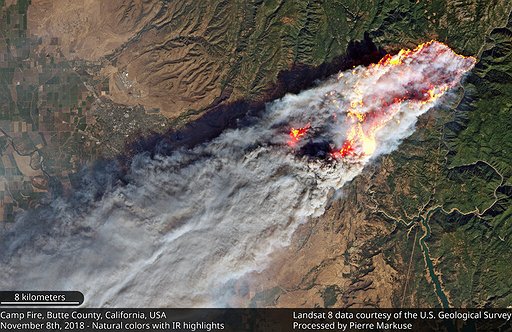 Both Rep. Tom Dent, R-Moses Lake and Sen. Judy Warnick, R-Moses Lake brought up the Camp Fire in California as an example of why House Bill 1522 is necessary. The fire started as a power line was downed, and fuel was heavily accessible killing almost 100 people and blazing around 150,000 acres of land including several thousand structures. HB 1522 has investor-owned electric utilities create a wildlife mitigation plan to ensure a similar event does not occur in Washington.