
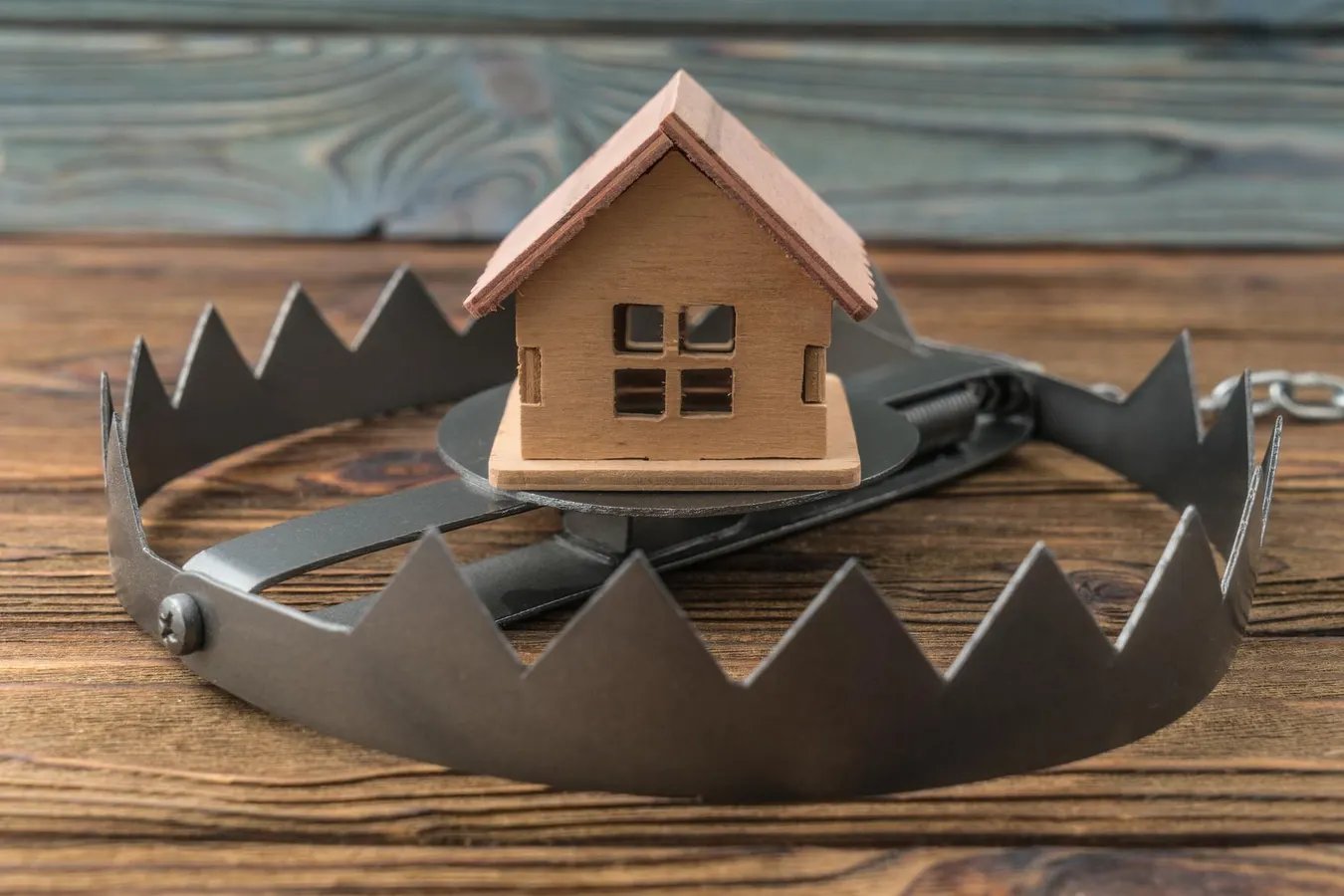

Avoid the real estate traps set by scammers.
getty
Scams are on the rise, and this includes real estate scams. According to the FBI’s Internet Crime Complaint Center (IC3), business email compromise (BEC) schemes frequently target the real estate sector. In fact, the IC3 received 9,521 real estate-based complaints in 2023. That may not seem like a significant number; however, in terms of losses, these crimes amounted to $145,243,348 (more than the amount of money lost to identity theft, extortion, ransomware, malware, and many other types of crimes).
As an example, the IC3 revealed that in March 2023, the FBI received a complaint from an individual in Stamford, Connecticut, who was purchasing a home and received a spoofed email that they thought was from their attorney. To finalize the closing, the instructions were to wire $426,000 to a particular financial institution. Two days later, the individual realized this was not a legitimate request. Fortunately, the IC3 recovery asset team was able to initiate the financial fraud kill chain to freeze the funds and return them to the individual.
And here’s another example from Kandi Wood, a member of the Brandi Smith Team with RE/MAX Big Country in Abilene, Texas, who tells me that she was contacted by someone claiming to be the owner of a lot in her area, who wanted to list it. Wood said the individual did not provide her with any information about the lot. “The seller was in a rush to get the lot listed and sold quickly, but was not forthcoming with information, and my guard was up.”
She did her due diligence to confirm if this was a scam — and also found out the individual tried to work with another realtor in her area who had similar suspicions. It turns out that the seller was not in fact the true owner of the lot, nor the person he claimed to be. “I eventually got in contact with the real owner of the lot and provided them with the scammer’s information — and I also shared a warning about the scammer with the local agent network.”
Wood says she’s definitely seeing an uptick in similar scams everywhere and warns that it’s critical that realtors and consumers alike pay close attention to potential red flags.
According to Darius Kingsley, head of consumer business practices at Chase, the first half of the year, and particularly the period between March and June, is the most popular time for buying and selling real estate. “Similar to other big buying seasons, like the holidays, scammers will look to take advantage of this busy season to scam prospective buyers, sellers, and current homeowners out of their hard-earned money and personal information,” he warns.
MORE FROM FORBES ADVISOR


These are some of the popular scams (and red flags) that you should be aware of, along with steps to take if you suspect that you’ve already been scammed.
Home Closing/Wire Fraud
If you are closing on a home, Kingsley warns that you should work very closely with your agent or loan officer. “Confirm payment instructions directly with your agent or loan officer through a known phone number to verify wire instructions before you send any money.” While wire transfers can offer convenience when sending and receiving money, he says you typically can’t reverse this method of payment. “Scammers impersonate companies, banks, and even government agencies to try to gain access to your hard-earned money,” he says.
Fake Rental Scams
Sometimes, scammers will list properties to rent or sell on a reputable website or app. “They’ll convince victims to send a deposit directly, bypassing the legitimate website or app,” Kingsley explains. However, if you do so, he says you’ll lose money and any support and recourse offered by a legitimate platform. “Do an image search of the listing to see if other ads come up for the same address with a different owner or rental information,” Kingsley advises. He also says you should schedule time to see the rental in person.
Home Warranty Scams
If you get a letter (or email) claiming your home warranty may be expiring or has already expired, investigate to see if it’s legitimate or not. “Scammers will use real company names to make it look convincing, but don’t be fooled,” Kingsley says.
Home Service Scams
Whether you’re thinking about spring cleaning, landscaping, or painting your house to increase resale value, be wary of fake ads on social media for maintence, repairs, and renovations. “You’ll try to check out, but the only option is to use a digital payment platform, and when it’s time for the service to begin, the scammers never show up,” Kingsley says. He recommends researching the service provider and looking at their reviews. And only pay after the service has been provided.
Red Flags and Ways To Prevent Scams
Fortunately, there are several ways to avoid becoming a victim of these scams.
Don’t be fooled into a false sense of urgency
Kingsley says scammers will attempt to manipulate you emotionally and financially to get access to your information and money. “If it sounds scary, urgent, and imminent, stop to think, take a pause before you respond, and delete or ignore if in doubt, while you research if it’s legitimate.”
If it seems too good to be true, it probably is
“We all love a deal but be cautious of merchandise or services being offered online and at significant discount,” Kingsley says. He recommends reading reviews, checking references, and ensuring that the company has the necessary licenses and insurance before hiring them. “For extra assurance, try searching the retailer or seller’s name and ‘scam’ online to uncover potential risks.”
Consider alternate payment options
Many home service providers may request payment via check. “When possible, use alternative electronic payment methods that can be tracked, to avoid the potential for your check and personal information falling into the wrong hands,” Kingsley advises.
Don’t leave the booking platform
“If you’re scheduling a service through a booking platform, keep all communication contained within the booking site or app, so you have a full record, and the booking company can help if needed.”
Kingsley recommends booking with a credit card in case any type of dispute arises.
Look for mistakes
Mistakes can often be a clue that you’re dealing with a scammer. A misspelled email address can be a sign that it’s a spoofed account, so Kingsley says you should always be on the lookout for erroneous information provided by phony senders and accounts. “Hesitate before clicking any links and report suspicious messages or emails,” he says.
Understand how your bank operates
Learn your bank’s policies and procedures, so you’ll know when something is amiss. “Keep in mind that your bank will never call, text or email, asking you to send money to yourself or anyone else,” Kingsley adds.
Work with trusted professionals
“It’s important to work with trusted professionals to guide you through the homebuying and selling process,” Kingsley advises. “An experienced real estate agent and home lending advisor can help you understand the steps to applying for a mortgage, putting in an offer on a home, making your first payments properly and safely, and avoiding scams.”
What To Do If You’re The Victim of a Real Estate Scam
If you believe you’ve been scammed, Kingsley provides the following steps:
- Discontinue all contact with the scammer immediately to prevent further damage.
- Note all relevant information, including the scammer’s contact details, and any information that may be useful when reporting the incident.
- Contact your bank to report the incident and verify recent transactions to ensure there is no fraudulent activity on your account.
- File a police report, or file a complaint at the Federal Trade Commission for official documentation. (And for online fraud, I’m adding: file a complaint with the FBI’s Internet Crime Complaint Center.)
- Monitor your account for identity theft. For example, you can sign up for a Chase Credit Journey for free credit monitoring — even if you’re not a Chase customer. You’ll receive an alert if your personal information has been leaked in a data breach or shows up on the dark web.
- Change passwords for your online accounts, particularly if the scam involved accessing your personal information.
- Share your experience with family and friends to let them know what happened, which can raise awareness about the signs of scams and help others avoid falling victim.
- Remain on high alert for follow up scams, since these criminals might attempt to target you again.