
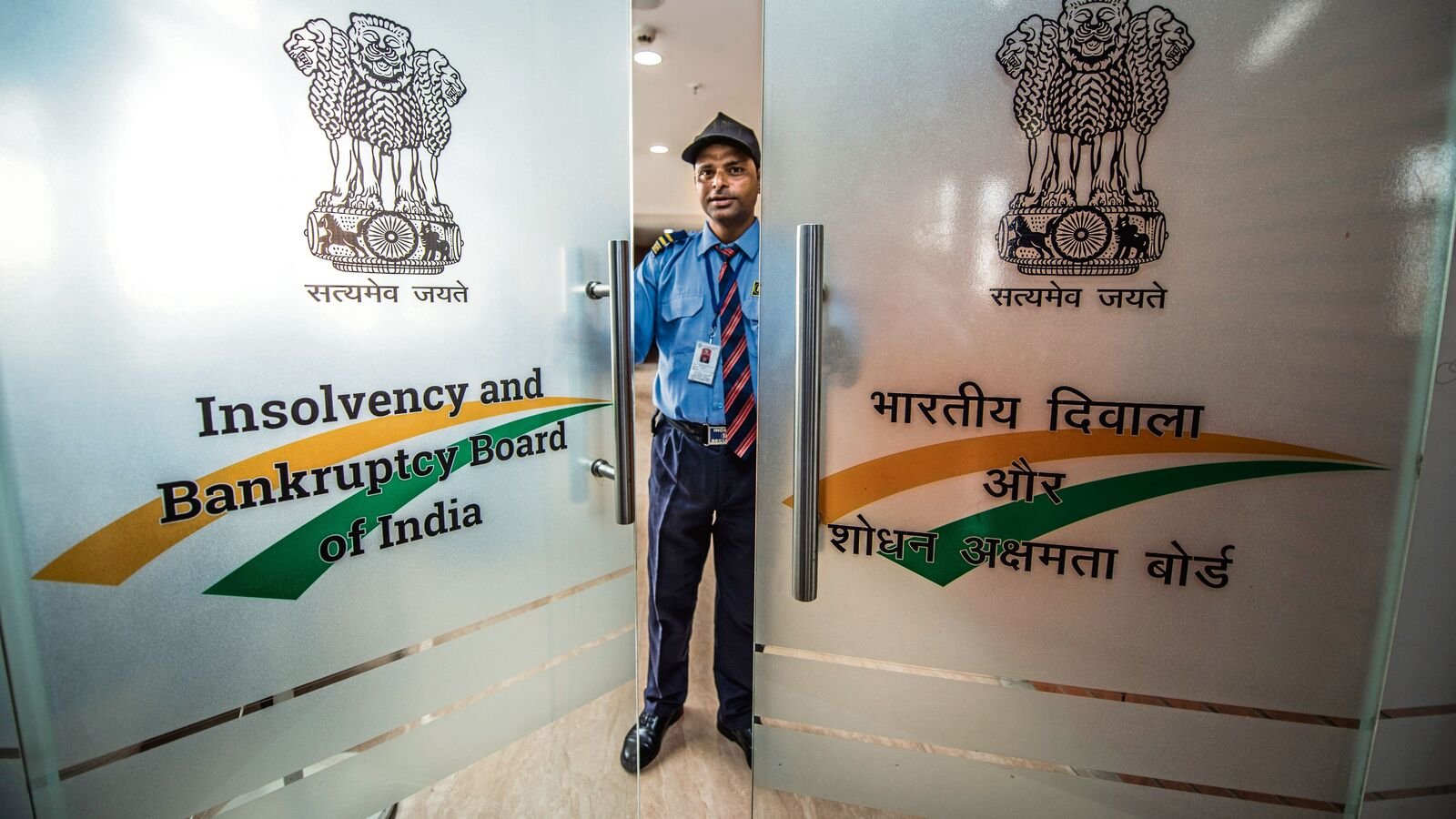
New Delhi: Insolvency and Bankruptcy Board of India (IBBI), the country’s regulator for insolvencies, is exploring reforms on how bankruptcies among real estate companies can be resolved in a way that home buyers are protected.
The plan is to ring-fence stalled projects of developers to protect the remaining financially sound ones, two persons informed about the development said. The bankruptcy resolution currently happens at the company level covering all projects—stressed or otherwise.
The regulator has set up an internal committee and is examining a framework to enable insolvency resolution at the level of individual projects that will leave other well operating projects of the same builder unaffected by the bankruptcy proceeding.
This would be a special arrangement only for the real estate sector which has widespread public interest implications, the persons said on condition of not being named. The sector accounts for more than a third of around 8,500 insolvency cases admitted to tribunals so far under the bankruptcy code.
The committee is likely to propose that real estate developers maintain separate books of accounts for each project which will enable bankruptcy resolution with surgical precision without affecting the interests of home buyers in other projects. “Specific IBBI regulation mandating project-specific accounts is required for implementing project-wise debt resolution,” said one of the persons cited above.
Lumped together
At present, insolvency resolution is carried out by calling bids from investors for reviving the distressed company using its entire estate, which in the case of a developer, include all incomplete houses on the books of the company, not just of the project that has run into financial trouble.
That means houses or apartments in other projects of the same builder that are yet to get completed become part of the pool of assets available for restructuring the company under a turnaround plan although those projects themselves are not in distress. This adversely affects the interests of buyers in those viable projects, who would be keen to get possession at the earliest without any uncertainty.
An expert said the plan for project-specific ring-fencing was sound. “It will certainly be helpful for project-wise insolvency resolution if more comprehensive accounts are maintained for each project, identifying and allocating various common costs and receipts, including identifying project specific liability arising from common loans taken at the corporate entity level,” said Surendra Raj Gang, partner, deals – debt & special situations at consultancy firm Grant Thornton Bharat.
Most real estate developers maintain project-specific details such as construction cost, inventory of flats sold and unsold, and expected milestones. “Though the requirement under the Companies Act is to maintain books of accounts at the level of the corporate legal entity level, for every project, they need to also submit project specific financial details to RERA authorities periodically,” Gang pointed out.
But, other costs such as on general corporate loans, employee cost, travel expenses and common overheads may be available only at the corporate level. It may also be possible that land holding and construction work may be with different entities in the same group in some cases but that is also usually backed up by proper agreements, added Gang.
Apex court nudge
IBBI’s move revives the possibility having a special debt resolution regime for real estate sector, after the IBC Amendment Bill, 2025, tabled in Parliament in the monsoon session chose not to propose the same.
The latest regulatory move comes on the direction of Supreme Court in a recent case—Mansi Brar Fernandes vs Shubha Sharma and Anr., clubbed with a few other related cases—on 12 September, after the IBC (Amendment) Bill was tabled in Lok Sabha a month before.
The apex court said in its order that resolution of real estate insolvency should, as a rule, proceed on a project specific basis rather than the entire corporate debtor, unless circumstances justify otherwise. This would protect solvent projects and genuine homebuyers from collateral prejudice, the court said then.
Queries emailed to the ministry of corporate affairs and to IBBI seeking comments for the story remained unanswered at the time of publishing.