
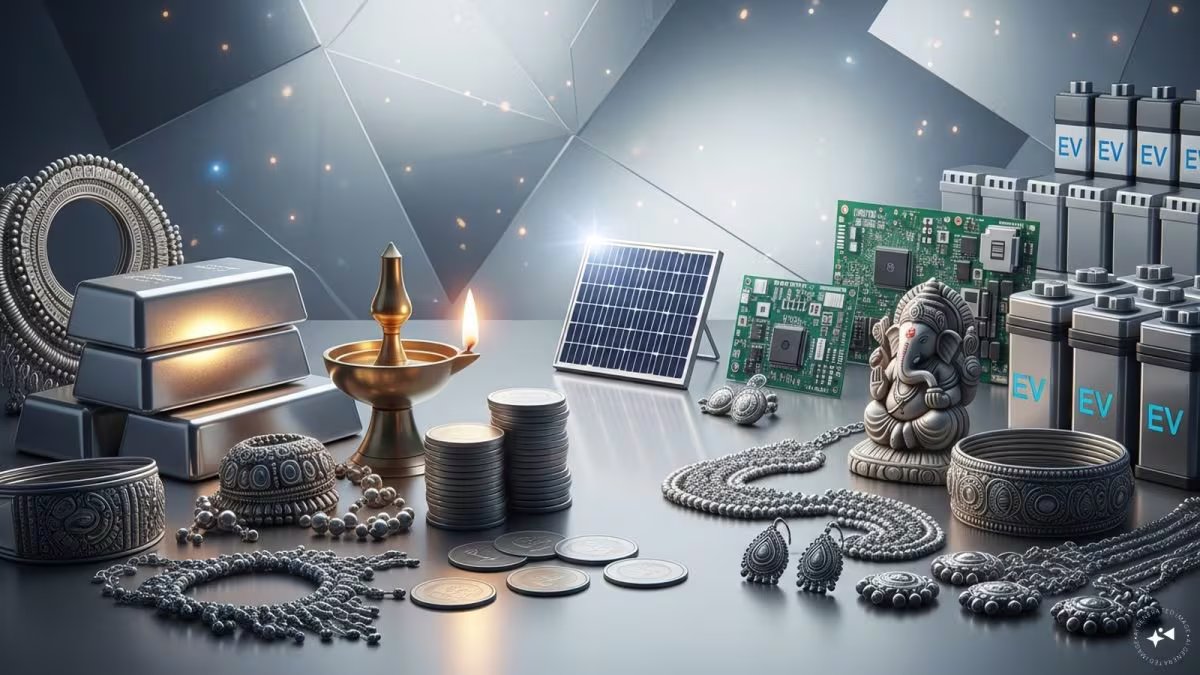

Silver has occupied a significant place in Indian society for centuries. Compared to gold, it is more affordable while still carrying strong cultural and traditional value. As a result, silver coins, jewelleries, utensils and items used for worship are widely common. Buying silver, especially during weddings and festivals, is considered auspicious. Over time, the role of silver has expanded beyond tradition to include investment and industrial use.
Today, India is among the world’s largest consumers of silver. Its use is no longer limited to jewellery and religious purposes; it has also become a popular investment option. Many people invest in silver coins, bars and exchange-traded funds (ETFs). At the same time, rapid technological growth has increased silver consumption in industries such as solar power, mobile phones, electronics and automotive batteries.
Despite this strong demand, silver production within India remains very limited. The country requires around 5,000 to 7,000 tonnes of silver annually, but domestic production is only about 700 to 800 tonnes. Most of this comes from Hindustan Zinc in Rajasthan, where silver is produced as a by-product of zinc mining rather than being mined independently. Although the company has announced plans to raise production to 1,500 tonnes in the future, current output still falls far short of demand.
As a result, India depends on imports for nearly 80-90% of its silver requirements, a trend expected to continue through 2025. As the country sources large quantities of silver from international markets, fluctuations in global prices have a direct impact on domestic rates. However, despite price volatility, demand within India has remained strong.
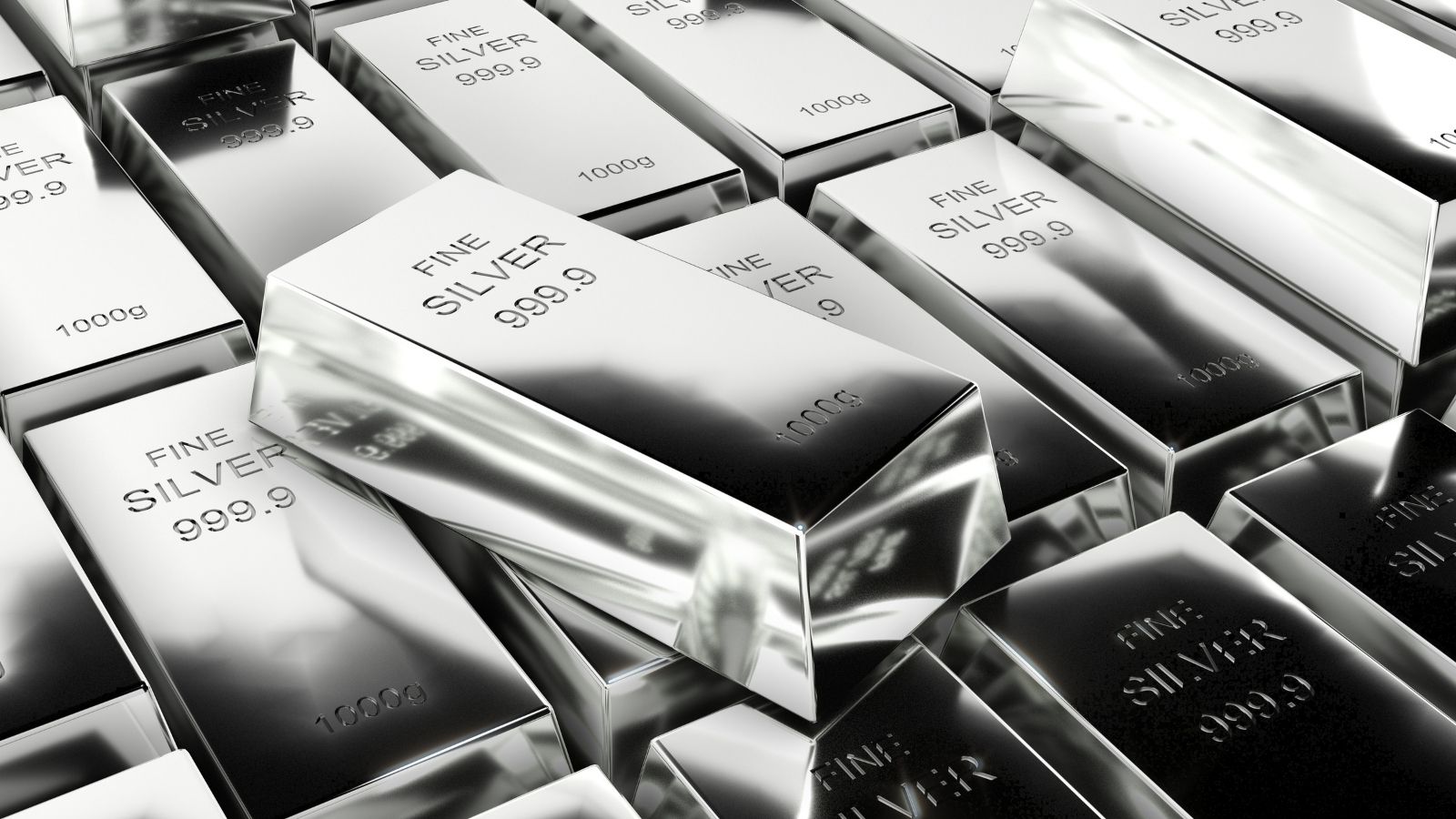
Nearly 90% of India’s imported silver comes from overseas suppliers, with Mexico being the largest contributor. Other key sources include China, Argentina and Chile. Mexico, one of the world’s leading silver producers, accounts for a significant share of India’s imports, while smaller volumes are sourced from the other countries. Given India’s limited domestic output, reliance on these international suppliers remains unavoidable.
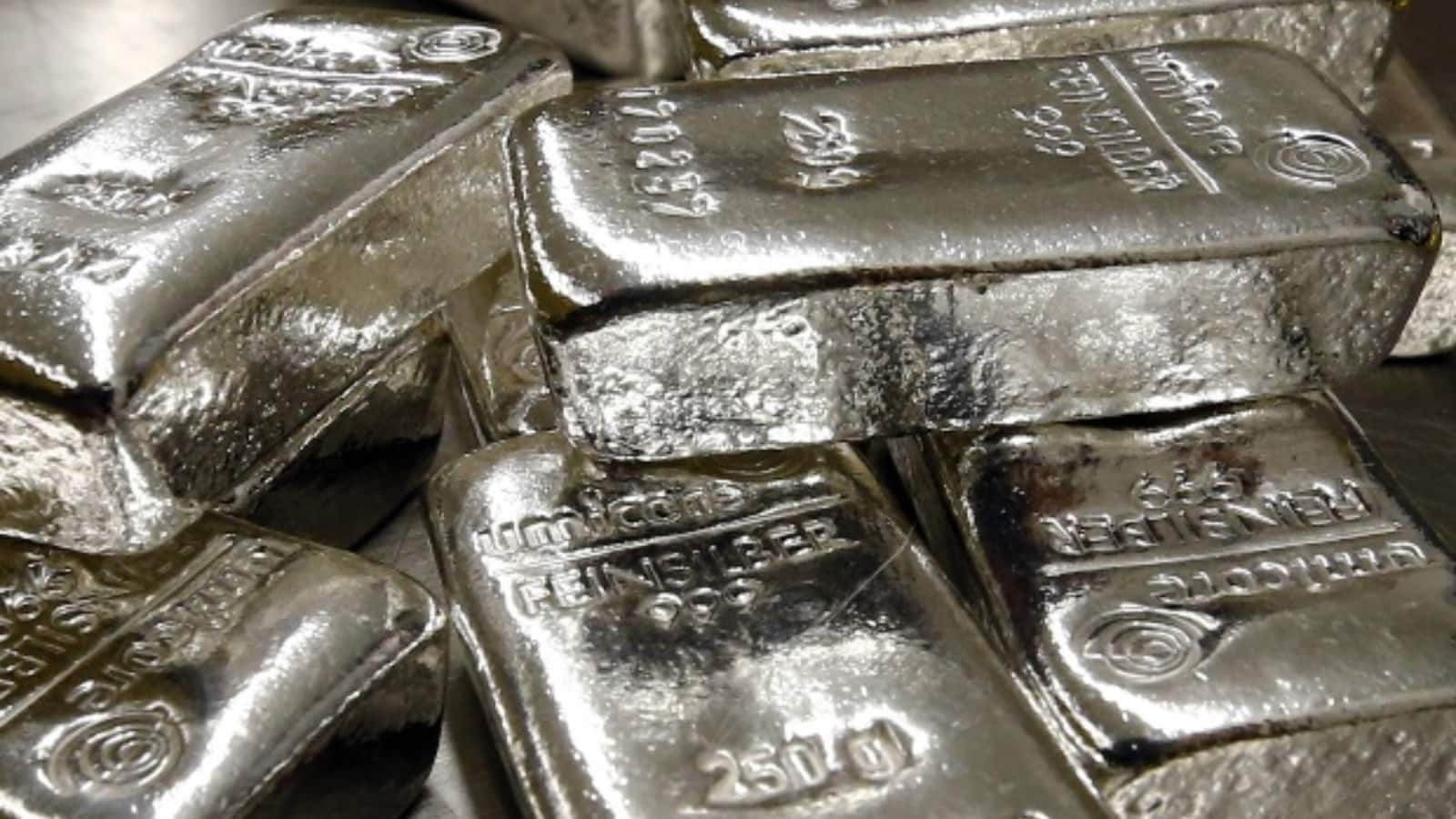
Patterns of silver consumption have also changed noticeably over time. Earlier, around 30-40% of silver was used for jewellery and religious purposes. Today, industrial usage, particularly for solar panels, has risen sharply to about 20-30%. Investment demand has also increased to roughly 20-30%, while the remaining share continues to be used for religious items, gifts and traditional purposes.
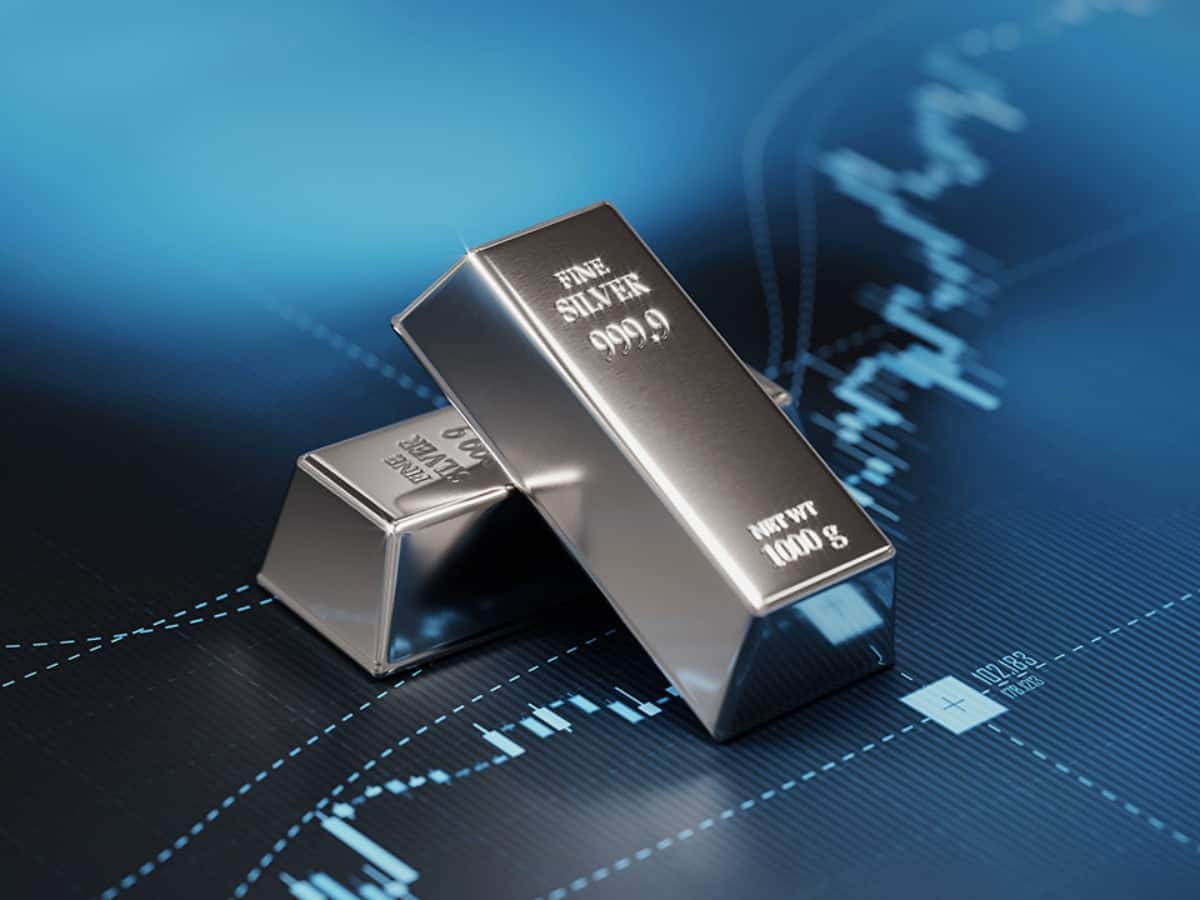
In 2025, silver prices surged sharply, crossing Rs 2 lakh per kilogram. Despite this steep rise, overall demand did not decline significantly. While higher prices did dampen jewellery purchases to some extent, demand from the solar energy sector and investors helped offset the drop. A global shortage of silver has also played a major role in driving prices higher.
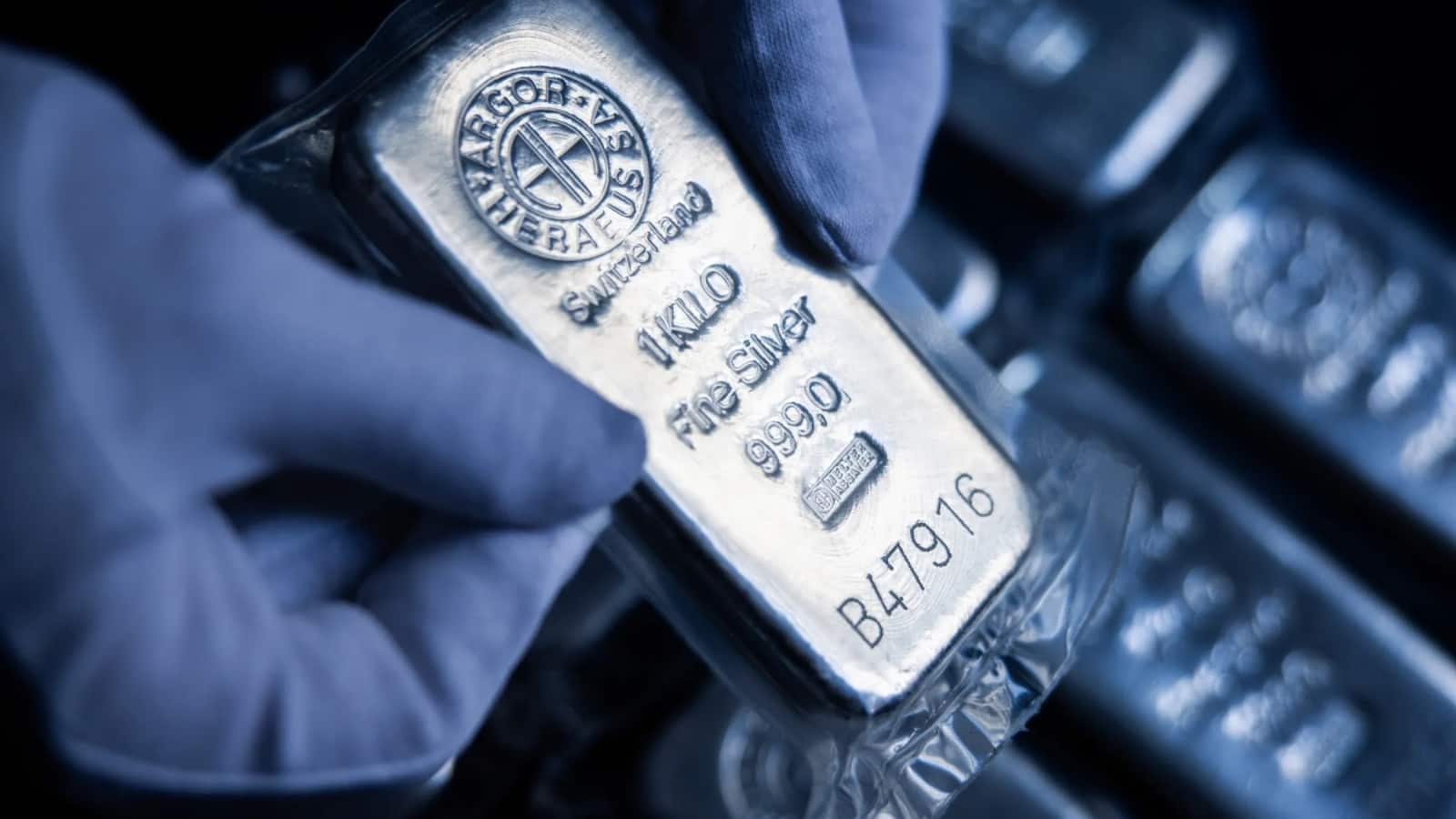
Experts believe silver’s importance will continue to grow in the coming years. Expanding solar energy projects and the rapid growth of electric vehicles are expected to push industrial demand even further. In response, the government has emphasised the need to boost domestic production and promote recycling of old silver. Although these measures may reduce import dependence to some degree, India is likely to remain reliant on silver imports for the foreseeable future.