For many Americans, retirement no longer feels like a finish line they’re working toward, but rather a moving target they can never seem to hit. And that target is causing problems for more generations than one. A recent Reddit thread drew thousands of comments from workers across generations who say late retirement is reshaping the job market, slowing career advancement, and leaving people stuck in place longer than expected.
The original poster took to Reddit to express frustration as a younger, mid-career worker who noticed senior employees staying in their roles well into their late 60s and 70s, giving them limited opportunities to move up. Sifting through the comments, though, it became clear that many older workers don’t see delayed retirement as a choice — they see it as a necessity.
Why Are Workers Staying Longer?
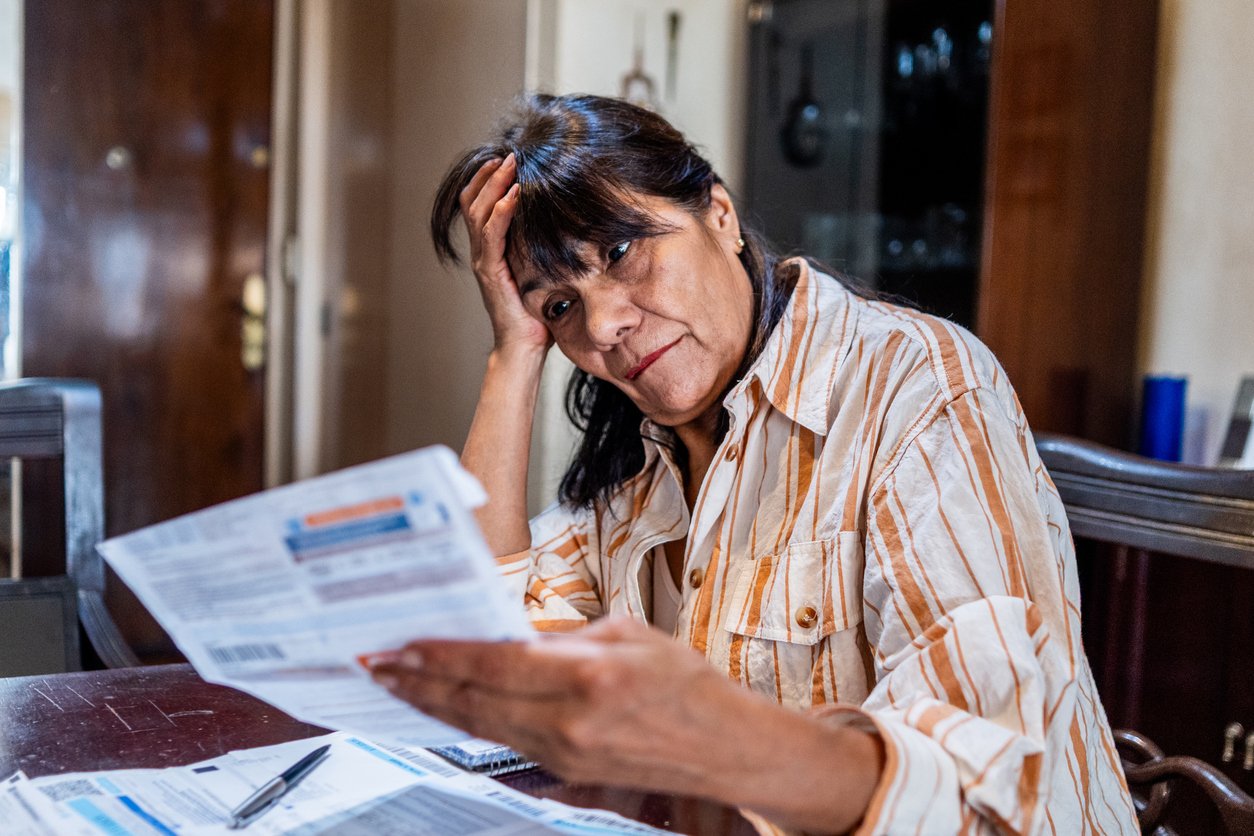
According to the Bureau of Labor Statistics, labor force participation among Americans 65 and older has steadily increased over the past two decades. Longer life expectancy, rising health care costs, and concerns about retirement savings are often cited as reasons workers delay retirement.
Redditors blame health insurance as one of the biggest deciding factors.
“I have a 57-year-old coworker who has the financial wherewithal to retire, but she needs the medical insurance,” one user wrote. “I hate it for her.”
Others echoed similar concerns, saying that even with retirement savings, the uncertainty around future medical costs makes leaving the workforce feel risky.
“I have a decent amount saved in my 401(k), but it won’t be enough to afford medical care,” another commenter said. “There is no end in sight financially.”
A Bottleneck for Advancement
While older workers on the thread described being financially trapped, younger workers say the result is a clogged career pipeline. Positions at the top stay filled longer, promotions slow down, and advancement often requires job-hopping rather than internal growth.
“The only option for the past 10 years has been to job hop for higher salary in the same position,” one commenter wrote. “That worked for some millennials and Gen X — it doesn’t work now.”
But, as one commenter so eloquently put it, “It’s not boomers vs. millennials, it’s the same system screwing everyone at different stages. They can’t retire because healthcare, housing, and wages wrecked their savings, and that bottleneck just rolls downhill onto the rest of us. Capitalism didn’t plan for people living longer and being broke longer. So now nobody moves, nobody advances, and we’re all stuck fighting over the same few spots.”
A Shared Pressure Across Generations

While there may be a little bit of generational tension in the workplace, there’s clearly a broader concern — a labor market where many workers feel unable to step away, and others feel unable to move forward.
“Our whole society was built on caring for the young and old when they are unable to work,” one commenter wrote. “It’s horrible that we’ve lost sight of that.”
Whether retirement is delayed by health costs, savings shortfalls, or economic uncertainty, the result is a workforce stretched thin at both ends, and a growing sense that the traditional career ladder no longer works the way it once did.
More From Cheapism