
Key Takeaways
- In 2026, you can contribute $7,500 to an IRA if you’re under age 50 and $8,600 if you’re over 50, and contribute $24,500 to a company retirement plan if you’re under age 50 and $32,500 if you’re 50 and above.
- The super catch-up contribution limit has increased to $35,750 for 2026.
- For 2025, they found 3.9% to be the starting safe withdrawal rate, but you can get closer to 6% if you’re willing to use a strategy that’s more flexible.
- In a retirement spending plan, TIPS provide payments that are adjusted for inflation. They are securities that are protected by the full faith and credit of the US government.
- Social Security payouts are getting an inflation adjustment this year of 2.8%.
- There’s a new $6,000 deduction for seniors, whether they itemize or take the standard deduction, though there are some pretty strict income thresholds.
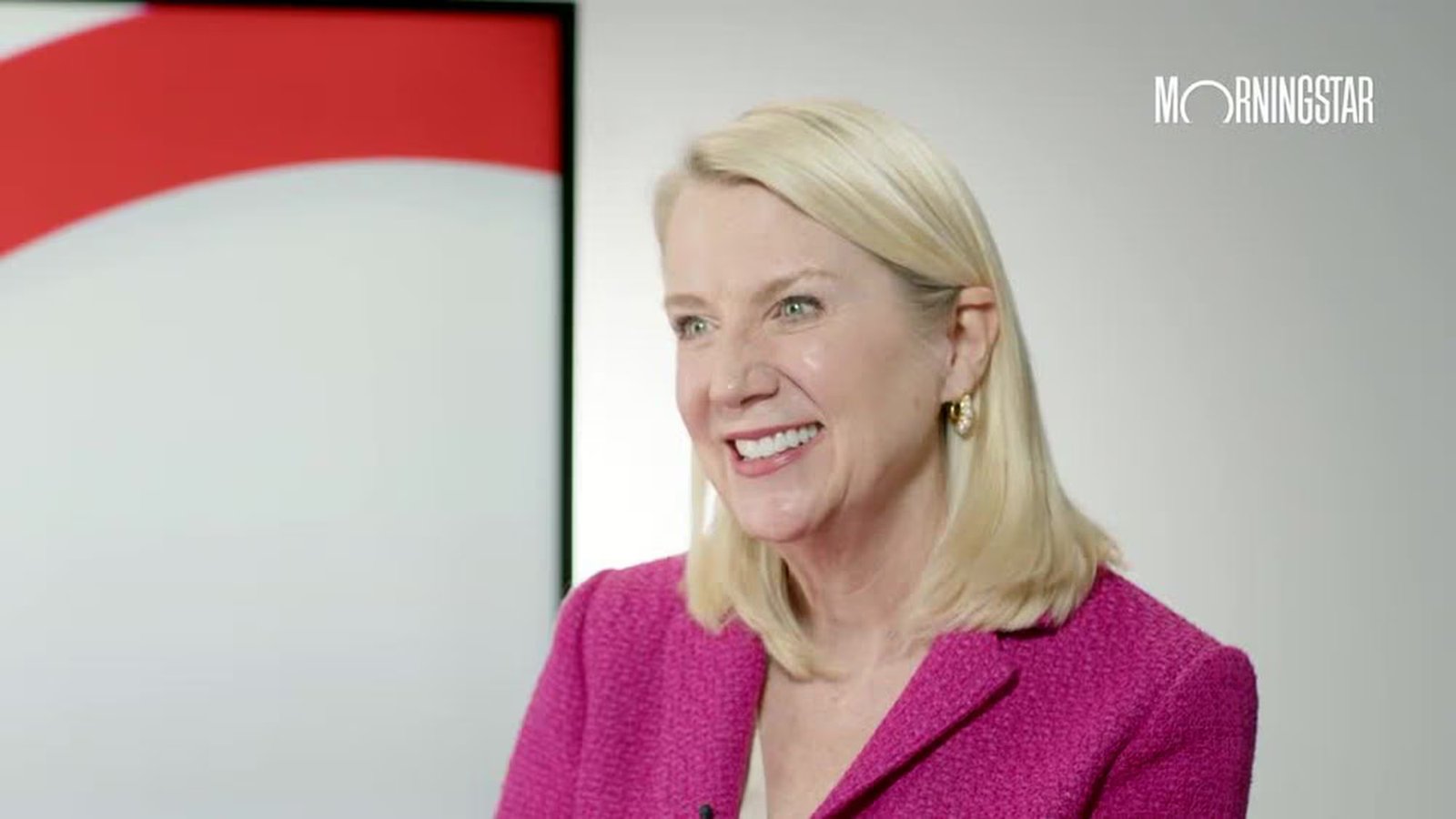
Margaret Giles: Hi, I’m Margaret Giles with Morningstar. What should those saving for retirement and those already there have on their radars for 2026? Joining me to discuss that topic is Morningstar Director of Personal Finance and Retirement Planning, Christine Benz. Christine, thanks for being here.
Christine Benz: Margaret, great to see you.
Higher Contribution Limits for Retirement Savers in 2026
Giles: All right, so let’s start by talking about people who are still working and saving for retirement. They can put a little bit more into those retirement accounts. Is that right?
Benz: That’s right. So those contribution limits are typically inflation-adjusted at least a little bit from year to year. So, coming into 2026, you can contribute $7,500 to an IRA if you’re under age 50 and $8,600 if you’re over 50. Company retirement plan contribution limits are also going up. So the limit is $24,500 if you’re under age 50 and $32,500 if you’re 50 and above.
How Older Workers Can Take Advantage of Super Catch-Up Contributions
Giles: All right. So there are also some new rules going into effect for older workers who want to turbocharge their retirement contributions. What are they?
Benz: So there’s this super catch-up contribution limit as well. That allows people who are between the ages of 60 and 63 to make an even higher contribution to their company retirement plans. So their contribution limit is $35,750 for 2026. And then there’s also a new rule that’s going into effect. It was part of the Secure 2.0 legislation. That requires high-income workers who are making these catch-up contributions to their retirement plans to put those catch-up contributions into Roth accounts. Many employers have added Roth accounts as an option over the past several years, but check with your employer just to make sure that you can make those catch-up contributions and that they can go into a Roth account.
How Flexible Spending Strategies Can Boost Starting Safe Withdrawal Rate
Giles: So let’s shift gears and talk about people who are already in retirement and spending down from their portfolios. So you, Amy Arnott, Tao Guo, and Jason Kephart have recently wrapped up your research on retirement income. And based on current market conditions, you came up with what a safe withdrawal rate might look like this year. So tell us what that looks like.
Benz: Yeah, it’s kind of a dispiriting number, Margaret. 3.9% was the figure in 2025. And to arrive at it, we use our internal team’s forward-looking capital markets assumptions. It was a touch higher than it was in 2024, but 3.9%, if you have a $1 million portfolio, that’s $39,000, probably doesn’t feel great for a lot of retirees. And so if I have a sound bite on this report, it’s that you shouldn’t just anchor on that 3.9% or 4% because it assumes a very conservative system of spending that, frankly, most people probably wouldn’t use anyway. So it assumes that you’re just going to take that initial withdrawal and then inflation-adjust it thereafter. And basically put blinders on to how your portfolio has behaved. Most people don’t spend that way. They actually do pay attention to how their portfolios have behaved. And the good news is is if you are willing to employ an element of flexibility to your spending, you can start with a higher starting withdrawal. So, Amy Arnott worked on this part of the paper, and she found in several of the strategies that she explored in the paper that you can get closer to, like, 6% if you’re willing to use a strategy that’s more flexible. So I would urge people to explore some of those strategies, explore the trade-offs associated with them.
And then I would also underscore the importance of time horizon in all of this. So for people who have a 30-year time horizon—that’s kind of the base case that we use in this research—it assumes that you’re just starting out in retirement and you’re maybe in your mid-60s or something like that. Well, if you’re an older retiree, if you’re maybe 75 or 80, the good news is that you can take more from your portfolio because your portfolio time horizon has shrunk a little bit. So I would urge people to look at some of the graphs that depict how time horizon relates to the safe spending rate. And what you can see, if you look at that, is even using that base case, very conservative spending system, you can get close to, like, 7% reasonably on a balanced portfolio if you have like, a 15-year time horizon as opposed to one that’s 30 years.
How TIPS Can Benefit a Retirement Spending Plan
Giles: You and the team also found that Treasury Inflation-Protected Securities, or TIPS, can be an attractive component of a retirement spending plan. Can you talk about that?
Benz: Yeah, TIPS have a lot of valuable attributes, or at least a couple of biggies. One is that your payments are adjusted for inflation. Actually, your principal value adjusts, and in turn, your income distribution adjusts as well. But you get that inflation adjustment, which makes them a beautiful thing from the standpoint of delivering real inflation-adjusted retirement income. And then you also get securities that are protected by the full faith and credit of the US government. So those are two really attractive attributes. And yields are not bad today. So Jason Kephart did this portion of the paper. I think he looked at Sept. 30, assembling a laddered portfolio of TIPS. He found you could get like 4.5%. And so that’s not a bad distribution from a portfolio. The downside from that laddered TIPS portfolio is that when it is exhausted, your portfolio there is exhausted as well. So we would urge people to have additional securities beyond that TIPS portfolio. But it’s a really nice solution for people who are looking for very tightly controlled inflation-adjusted income.
Will Retirees Who Delay Social Security Still Benefit From the Inflation Adjustment?
Giles: Speaking of inflation protection, Social Security payouts are getting an inflation adjustment this year. How much will it be?
Benz: It’ll be 2.8% for people who are receiving Social Security. And another point I would make on this front, Margaret, is that if you’re someone who is delaying Social Security, or you’re not yet taking Social Security, the good news is that your eventual payout that you’ll receive will also receive these inflation adjustments that happen along the way. So if you’re someone who is looking to delay Social Security because you want to enlarge your eventual benefit, but you see these really nice inflation adjustments coming through, never fear, you are partaking of them, even if you’re not currently getting payments from Social Security.
Which Investors Benefit From the New Senior Deduction?
Giles: That’s helpful to know. So to wrap up here, as we head into tax season, there’s also a new senior deduction that went into effect in 2025. Can you discuss who might be able to take advantage of that?
Benz: Right. So this is a $6,000 deduction that is available to seniors, whether they itemize their deductions or take the standard deduction. The crucial thing to remember here, though, is that there are some pretty strict income thresholds in place. So it’s $75,000 for single filers and double that amount for married couples filing jointly. So not everyone will be able to take advantage of that new deduction, but it’s definitely something to check out. And it’s something that will affect the return that you will file in 2026. So for the 2025 tax year.
Giles: All right. Certainly helpful to keep in mind for retirees. Christine, thanks for being here.
Benz: Margaret, thank you so much.
Giles: I’m Margaret Giles, the Morningstar. Thanks for watching.
Watch 5 Mistakes to Avoid With Your Investment Portfolio in 2026 for more from Christine Benz and Margaret Giles.