
Thailand’s financial landscape is undergoing a profound transformation. At the heart of this evolution is the meteoric rise of financial technology (fintech), a sector that disrupts the traditional banking model. And also reshapes consumer behaviour and the competitive landscape.
Mobile-first platforms, e-wallets, and digital lending services have become mainstream. And the battle between fintech and traditional banks intensifies. And it forces both sides to adapt or risk obsolescence.
And this has been transforming the way people deal with money. It is about entertainment, such as facilitating payments for those who visit 1xBet Malaysia to play or place sports bets. And it obtains credit to put plans into practice, the possibilities brought about by fintechs are enormous, and it also attracts a significant number of users to these services.
A Fintech Boom and Digital Demand

The rapid adoption of smartphones, and a digitally-savvy younger population have laid the foundation for fintech to flourish in Thailand. In fact, according to the Bank of Thailand, mobile banking transactions surged by over 60% in recent years. And cash usage continues to decline.
Startups have made significant strides by offering seamless, user-friendly financial services, such as peer-to-peer (P2P) transfers, QR payments, and also digital wallets. These platforms appeal to the unbanked and the underbanked. And especially in rural areas where traditional banking infrastructure is sparse.
Moreover, Thailand’s push toward a cashless society (under initiatives like the PromptPay system and the National e-Payment Master Plan) has created an environment ripe for fintech expansion.
Perhaps the most mature and widespread form of fintech in Thailand, digital payments have transformed everyday transactions. E-wallets and QR code payments are now embedded in Thai consumer behaviour, largely due to the Bank of Thailand’s PromptPay system and also rapid merchant adoption.
Main Players:
- TrueMoney Wallet – A leading e-wallet backed by Ascend Group. It has a strong presence across Southeast Asia.
- Rabbit LINE Pay – A joint venture between LINE Corporation and BTS Group Holdings. It is integrated into the LINE app for easy in-chat payments.
- ShopeePay and AirPay – Popular among online shoppers and gamers.
- Krungthai NEXT and SCB Easy – Traditional banks offering seamless digital wallet experiences.
QR code payments dominate the scene, and cross-border payments via PromptPay are expanding into countries like Singapore and Malaysia, enhancing regional financial integration.
Traditional Banks Fight Back with Digital Innovation
Initially slow to respond, Thailand’s traditional banks are now racing to catch up. Here we have such industry giants as Bangkok Bank, Kasikorn Bank, Siam Commercial Bank (SCB). They have launched comprehensive digital transformation programs, investing heavily in mobile applications, also data analytics, and even partnerships with fintech startups.
SCB’s “SCB Easy” app, for example, has over 10 million users. And it continues to evolve with AI-based features and personalised banking tools. Meanwhile, Kasikorn Bank’s KBTG tech subsidiary is driving innovation with blockchain trials and also open banking initiatives.
Instead of resisting the fintech wave, many banks are opting for strategic collaboration — incubating fintech firms, launching venture capital arms, and participating in regulatory sandboxes to co-develop products.
Since 2013 the government has been supporting “higher spending — giving subsidies for car and rice purchases — in a bid to kick-start demand”, as BBC informed.
Traditional banking in Thailand:
| Aspect | Advantages of Traditional Banking | Disadvantages of Traditional Banking |
|---|---|---|
| Trust & Stability | Well-established institutions with long histories; strong consumer trust | May rely too heavily on reputation, makes them slower to adapt to new technologies |
| Regulation & Security | Strictly regulated by the Bank of Thailand (BoT); high levels of financial and data security | Over-regulation can slow innovation and limit product flexibility |
| Physical Branch Access | Large branch networks across urban and rural areas for face-to-face interactions | Inconvenient for tech-savvy or remote users; long queues and wait times |
| Personalized Service | In-person consultations for complex services (loans, mortgages, business advice) | Customer service quality can vary by branch; limited service hours |
| Financial Products | Broad product range: savings, loans, insurance, investments | Often bundled or outdated compared to agile fintech solutions |
| Technology Adoption | Gradual integration of mobile banking and digital tools | Often lagging behind fintech in UX design, app performance, and real-time services |
| Costs & Fees | Transparent fee structures; may offer package discounts for loyal customers | Higher maintenance fees, ATM charges, and lower interest rates on deposits |
| Credit Evaluation | Comprehensive credit scoring based on traditional financial history | Excludes many underbanked individuals who lack formal credit history |
| Accessibility for the Elderly | Easy access for non-digital natives; elderly feel comfortable with in-person service | Younger generations may view them as outdated or inefficient |
| Reputation & Brand Loyalty | High level of brand recognition and customer loyalty | Can lead to complacency and resistance to change |
Fintechs are not companies that operate like normal banks
Lots of people think that fintechs are only companies that operate like normal banks, but over the internet. But the world of financial startups goes far beyond that and encompasses a range of activities.
Lending Platforms and BNPL
Lending-focused fintechs are targeting underbanked and unbanked individuals and SMEs. These platforms leverage alternative data to assess creditworthiness more inclusively. Such as mobile phone usage and e-commerce history.
Main Players:
- LINE BK – A social banking platform blending LINE messenger with banking services.
- Siam Validus – A peer-to-peer SME lending platform.
- Ngern Tid Lor (TIDLOR) – Offers digital Microfinance loans, especially for rural and underserved markets.
- Atome and Hoolah – BNPL solutions growing in eCommerce and retail sectors.
BNPL becomes popular among Thai millennials, especially in lifestyle, fashion, and travel sectors.
Blockchain and Crypto Fintechs

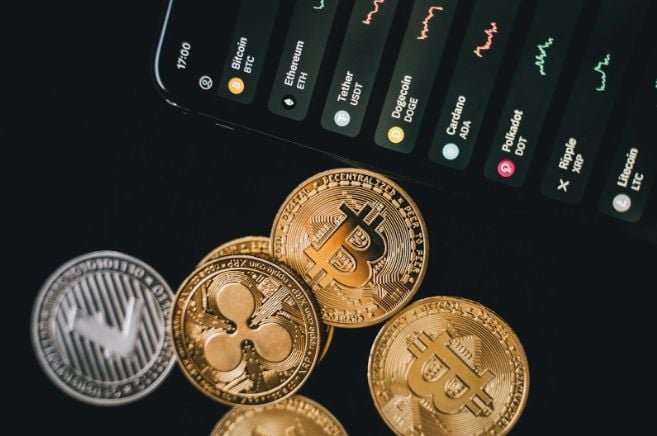
Initially met with caution by Thai regulators. Blockchain and crypto-related fintechs have now found a place under strict supervision by the Securities and Exchange Commission (SEC) of Thailand.
Main Players:
- Bitkub – Thailand’s largest licensed crypto exchange.
- Zipmex (currently under restructuring) – Offered trading and interest-earning services before facing liquidity issues.
- Token X (SCBX) – Focused on tokenisation of real assets.
We can see global volatility. But Thailand remains one of Southeast Asia’s most active crypto markets. The government is exploring a Retail CBDC (Central Bank Digital Currency). It may further boost digital asset infrastructure.
Insurtech
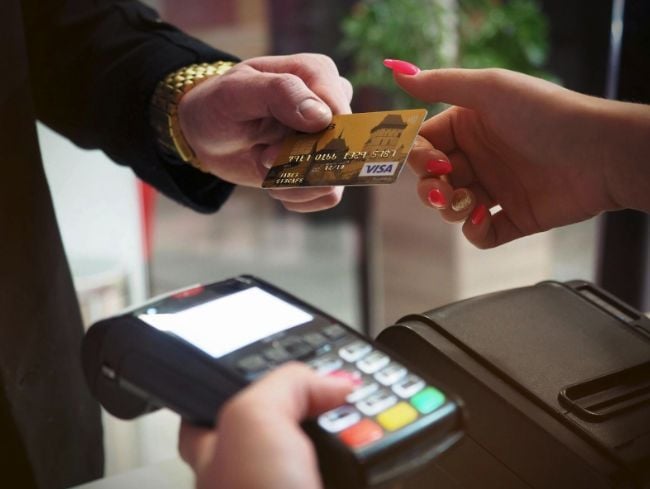
Insurance penetration in Thailand has historically been low. But insurtech is changing that by simplifying policy access and claims processes through mobile apps and AI.
Main Players:
- Sunday Insure – Uses machine learning to personalise insurance for health, car, and travel needs.
- Ooca – A mental health tele consultation platform that partners with insurers.
- Claim Di – Streamlines car accident reporting and insurance claims via smartphone.
WealthTech + Robo-Advisory
WealthTechs democratise investment. It is made by offering low-fee, also automated portfolio management and educational resources for retail investors.
Main Players:
- Finnomena – Offers mutual fund comparison tools and robo-advisory services.
- Jitta – Uses proprietary algorithms for equity analysis and portfolio optimization.
- SCB AM Robo Advisor – Backed by Siam Commercial Bank, bringing robo-investing to mainstream banking customers.
Thailand’s young professional class is driving WealthTech adoption. Demand for ESG (Environmental, Social, Governance) friendly portfolios also increases.
RegTech and Cybersecurity
With the rise of digital finance comes the need for robust regulatory compliance and also cybersecurity. RegTech startups are helping both fintechs and traditional institutions manage KYC/AML processes more efficiently, for sure.
Main Players:
- KYCB Chain – Provides blockchain-based identity verification.
- Bluebik – Offers digital transformation consulting including RegTech and security modules.
New data protection laws (like PDPA) makes institutions seek scalable compliance solutions. Also expect more RegTech partnerships with banks and insurers.
Regulation
Thailand’s financial regulators, particularly the Bank of Thailand (BoT) and Securities and Exchange Commission (SEC), have taken a proactive yet cautious approach. Regulatory sandboxes, introduced in 2017, have allowed fintech innovators to test products under controlled environments. And also paving the way for licensing and scaling.
Consumer Behavior and Trust in Transition
Younger generations, in particular, are more inclined to trust a mobile app with their savings if it offers speed, and low fees. To be honest, this shift in mindset is forcing banks to rethink not just their technology — but their entire customer experience strategy.
Collaboration VS Competition
As fintech matures, the battle with traditional banks may evolve into something more symbiotic than adversarial. The future likely lies in co-opetition — where traditional banks leverage their regulatory know-how and capital base, while fintechs contribute agility and innovation.
For example, we are already seeing “Banking-as-a-Service” models, where fintechs provide front-end user experience, and banks manage the backend infrastructure. In this hybrid model, both can scale faster and serve customers better.
Speed of Innovation: Traditional Banks vs Fintech Firms
Traditional Banks
Large Thai banks often struggle to innovate quickly due to legacy systems and rigid compliance structures. Rolling out new services typically requires extensive internal approvals and regulatory oversight. These processes slow down the deployment of new features, making it difficult for traditional banks to keep pace with rapidly evolving consumer expectations.
Fintech Firms
In contrast, Thai fintech companies operate with speed and agility. They leverage modern technologies like APIs, blockchain, and AI to build and launch services in a fraction of the time. Peer-to-peer lending platforms such as PeerPower and robo-advisors like Finnomena can introduce new features within weeks, responding swiftly to market demands and user feedback.
Thailand’s Fintech Evolution: More Than Just a Trend
Fintech in Thailand isn’t just a passing trend—it represents a fundamental shift in the financial landscape. Traditional banks, once unchallenged in their dominance, are now under pressure to either innovate or collaborate with more agile players. Fintech has entered the mainstream, bringing with it speed, accessibility, and personalisation.
As technology accelerates and consumer behaviour evolves, Thailand’s financial sector will continue to experience both disruption and opportunity. Success in this new era won’t depend on brand legacy or market share—it will depend on adaptability, trust, and a clear digital vision.
Thailand’s fintech sector is no longer in its infancy. It’s a diverse and mature ecosystem, spanning everything from sleek mobile wallets to advanced RegTech solutions. As open banking and cross-border interoperability continue to develop, the competition won’t just be between fintechs and banks—it’ll also intensify among fintechs themselves.
For the industry, the path forward means embracing innovation while navigating complex regulatory environments. For consumers and businesses, the future promises greater financial inclusion, more personalised services, and lower costs—hallmarks of a thriving digital economy.