

RESTON, Va.–(BUSINESS WIRE)–#banking—Regula’s report, “What’s Reshaping IDV in Banking & Fintech: 2026 Trends and Predictions,” reveals that biometric verification has become the most attacked point in the digital identity verification (IDV) process across financial organizations. New global data shows that at least three in ten financial institutions are hit by impersonation fraud, driving a shift toward more robust identity verification.
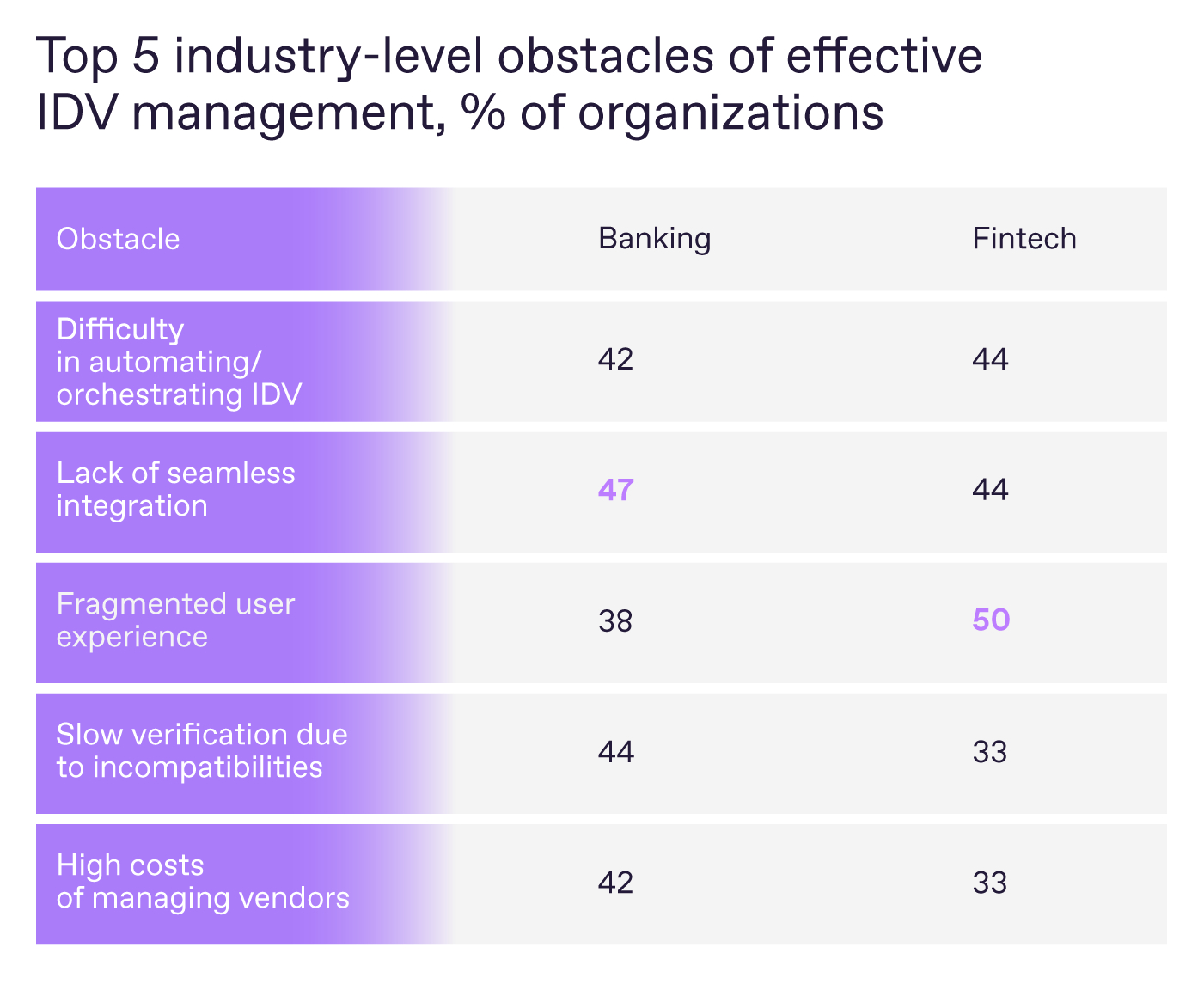

According to survey data from organizations in the US, UAE, Germany, and Singapore, at least three in ten banks and fintechs report biometric verification as the stage most frequently targeted by fraudsters—ahead of document checks or other onboarding steps. Many of these incidents involve AI-generated media, including deepfakes, AI-manipulated selfies, and synthetic identities created to impersonate legitimate users during face-matching or liveness-detection checks. Because biometric verification relies on visual or behavioral data captured from a camera or microphone, it is especially vulnerable to injected or replayed digital content.
“The challenge now is verifying authenticity in real time, not just identity,” said Henry Patishman, Executive Vice President of Identity Verification Solutions at Regula.
AI Fraud Triggers a New Model of Identity Verification
The surge in AI-powered attacks is prompting banks and fintechs to rethink how they structure IDV systems. Nearly half of respondents now point to orchestrated verification workflows—which connect document checks, biometrics, and risk analytics into one adaptive system—as the most effective way to counter emerging fraud tactics.
Rather than layering more point solutions, financial institutions are moving toward integrated, intelligent IDV platforms, capable of analyzing multiple signals simultaneously and escalating only ambiguous cases for human review. This structure not only detects injected or synthetic content earlier but also eases one of the sector’s persistent challenges: staff shortage.
With more than 75% of banks and fintechs citing insufficient staffing for fraud-prevention tasks, orchestration is both a technological and operational necessity. By automating repetitive checks and routing complex cases intelligently, organizations can handle higher verification volumes without expanding teams—maintaining accuracy, compliance, and speed within a single workflow.
From Compliance Task to Strategic Advantage
Regula’s findings also highlight a strategic shift: identity verification is evolving from a regulatory requirement into a competitive capability.
Fraud prevention is now a top organizational priority for 71% of banks and 75% of fintechs, linking IDV investment directly to customer trust and retention. Metrics such as false-negative rates (legitimate users mistakenly blocked) are increasingly tracked alongside compliance and chargeback indicators, reflecting a broader focus on user experience and accuracy.
“The financial sector is entering an era where identity verification is a key part of the customer journey, not an obstacle to it,” Patishman added.
About the Study
Regula’s report, “What’s Reshaping IDV in Banking & Fintech: 2026 Trends and Predictions,” draws on insights from fraud-prevention, compliance, and risk-management professionals across major financial hubs. It’s a part of “The Future of Identity Verification: 5 Threats and 5 Opportunities,” a global survey commissioned by Regula and conducted by Censuswide covering enterprises in the banking, fintech, aviation, healthcare, telecom, and crypto sectors. The study explores how organizations are reallocating budgets, addressing deepfake-driven fraud, and building cohesive identity frameworks to support growth and compliance.
About Regula
Regula is a global developer of forensic devices and identity verification solutions. With our 30+ years of experience in forensic research and the most comprehensive library of document templates in the world, we create breakthrough technologies for document and biometric verification. Our hardware and software solutions allow over 1,000 organizations and 80 border control authorities globally to provide top-notch client service without compromising safety, security, or speed. Regula has been recognized in the 2025 Gartner® Magic Quadrant™ for Identity Verification.
Learn more at www.regulaforensics.com.
Contacts
Kristina – [email protected]