
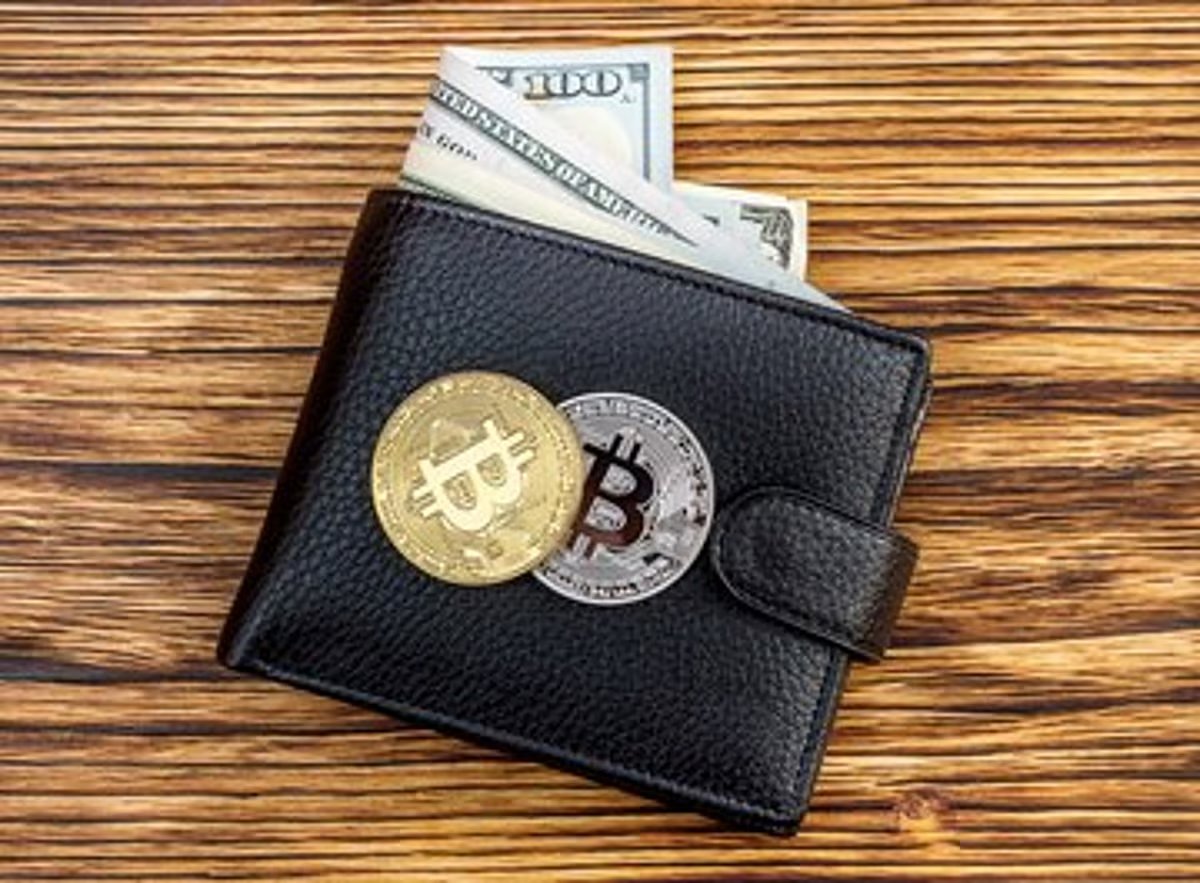
Money, in these digital times, is no longer just notes and coins, but increasingly data on a blockchain. A crypto wallet is the major means by which people can store, send, and receive various forms of digital currencies securely, like Bitcoin, Ethereum, or Solana. It’s not just a place to “keep” crypto, but how users interact with this decentralized world of blockchain.
In simple words, a crypto wallet is a personal bank account used for cryptocurrencies.
Unlike a bank, though, you are in complete control: there is no banker, no intermediary, and no freezing of funds.
Quick Highlights: Why You Need a Crypto Wallet
-
Keeps digital currency secure and accessible.
-
Fast international transactions without the use of banks
-
Gives you control of your own money and data
-
Works on a variety of blockchain networks.
-
Powered by NFT trading, staking, and decentralized applications.
The Basics: How Does a Crypto Wallet Work?
Every crypto wallet has two major parts:
Public Key: It’s like your bank account number; it’s the one that you give out when you want to receive some crypto.
Private Key: It should never be shared; just like your ATM PIN, nobody should ever know it. It is essentially the password that will unlock your funds.
With every transaction, it’s your wallet securely signing it with your private key. In return, the blockchain network verifies the transaction and updates your balance-no bank needed.
Hot Wallets: Easy and Convenient
A hot wallet is any digital wallet that is connected to the internet, such as those accessed via mobile applications or through browsers.
Examples include MetaMask, Trust Wallet, and Coinbase Wallet.
Pros:
-
Quick setup and easy to use
-
Ideal for small, day-to-day transactions
-
Free and available on many platforms
Cons:
Depends on secure Internet connection If you’re new to crypto, a hot wallet is a good starting place. Think of it as a checking account for digital currency.
Cold Wallets: The Vault of Digital Assets
Cold wallets are offline devices like Ledger Nano X or Trezor. Since they’re not connected to the internet, they’re much harder to hack.
Pros:
Cons:
-
More expensive than hot wallets
-
Slightly less convenient for frequent use
-
For serious investors, cold wallets are akin to safes—perfect for storing large amounts of crypto.
Custodial vs. Non-Custodial Wallets
Another major difference is in who controls the keys.
-
Custodial Wallet: Third-party (like an exchange) holds your private keys.
Example: Binance Wallet, Crypto.com Wallet
Pros: Easier to recover access
Cons: You don’t fully control your assets
-
Non-Custodial Wallet: The keys are yours alone
Example: MetaMask, Trust Wallet
Pros: Full control, true ownership
Cons: If you lose your private key, you’ve lost your funds forever
Mobile Wallets vs. Desktop Wallets: Which Is Better?
The crypto wallet can also be differentiated based on the device on which it runs: mobile or desktop.
Each of them offers different benefits, depending on your intended use of the crypto.
Mobile Wallets
-
These are applications installed on your smartphone for easy access to your crypto at any moment.
-
Examples include Trust Wallet, MetaMask Mobile, and Exodus App.
Advantages:
-
Convenient, easy to use for daily transactions.
-
Perfect for scanning QR codes and paying in crypto.
-
Works well with decentralized applications-dApps.
Disadvantages:
These are the software wallets installed on your computer or laptop.
Examples include Exodus Desktop, Electrum, Atomic Wallet.
Advantages:
Easier to track portfolio and market trends Disadvantages: Limited mobility—you can’t carry your desktop everywhere Still vulnerable if your system is compromised
Multi-Chain and Cross-Chain Wallets
The crypto world isn’t confined to a single blockchain. With the presence of thousands of tokens across multi-networks, including but not limited to Ethereum, Solana, BNB Chain, Avalanche, etc., users often need wallets that are able to operate between different chains.
Multi-chain wallets can hold coins and tokens of different blockchains in the same application.
Examples include Trust Wallet, Coin98, and Zengo.
Advantages of Multi-Chain Wallets:
-
Manage all your crypto assets in one place
-
Swap between tokens across networks
-
Access DeFi, NFTs, and games from multiple blockchains
-
Lower transaction fees by choosing cheaper networks
With the advent of cross-chain bridges-say, Polygon Bridge or Wormhole-along came this easy facility of shifting assets across blockchains via wallets, hence making them even more powerful and flexible.
Wallets and the Metaverse: The New Digital Identity
As the internet becomes the Metaverse-a shared virtual world in which people socialize, work, and play-so crypto wallets will underpin digital identity.
Your wallet won’t just hold coins. It will hold:
In the metaverse, wallets act like digital passports that validate who you are, what you own, and what you can access.
Examples include
If you attend a virtual concert in a metaverse platform, your ticket may exist as an NFT in your wallet.
If you buy a digital work of art or plot of land, your wallet will keep proof of ownership on the blockchain forever. This is the combination of wallets with blockchain identity, forming a new era where your online life becomes just as valuable and real as your physical presence.
The Psychological Side of Wallet Ownership
Managing crypto bears emotional responsibility, too. Sometimes, one can be anxious about market volatility or even mistakes. But understanding the functioning of your wallet gives peace of mind.
Mindset Tips for Wallet Owners:
Just relax; you’ll hardly ever lose anything as long as you take your precautions.
-
Keep learning — Explore features at your pace.
-
Be patient-blockchain transactions take time to confirm.
-
Discipline yourself: Avoid cash transfers unless absolutely required.
-
View your wallet as an investment in long-term financial independence, not a tool for trading.
How Businesses Use Crypto Wallets
Crypto wallets improve efficiency and expose businesses to new markets; thus, many modern businesses are adopting them.
Here’s how they use them:
-
Global Payments: The ability to receive crypto from clients, free of conversions.
-
Payroll: Making employee or freelancer payments in stablecoins.
-
Investment: Holding crypto as part of company reserves.
-
Rewards and Loyalty Programs: Issuance of token-based rewards to customers.
Even small businesses can now operate globally by simply using a crypto wallet, removing dependence on traditional banks or payment platforms.
How to Set Up a Crypto Wallet: Step-by-Step
-
Step 1: Download any wallet app, such as MetaMask or Trust Wallet.
-
Step 2: Make a new wallet and write down your recovery phrase or seed phrase.
-
Step 3: Store the recovery phrase offline, safely and privately—never share it.
-
Step 4: Add cryptocurrencies by transferring them from any exchange or another wallet.
-
Step 5: Start sending, receiving, and exploring the crypto ecosystem.
How Crypto Wallets Keep Your Funds Safe
Crypto wallets are secured via encryption and blockchain verification.
Even should your wallet application get lost or deleted, your funds are still safe on the blockchain, to be accessed again through your private keys or recovery phrase.
Safety Tips:
-
Never share your private key or seed phrase.
-
Avoid clicking on unknown links, beware of scams.
-
Store backups in multiple safe locations.
-
Enable two-factor authentication (2FA) whenever available
-
Advanced Wallet Features You Should Know
-
Multi-Signature (Multi-Sig) Wallets:
These require multiple private keys to authorize a transaction. Common for companies or shared funds.
Example: A wallet requiring 2 out of 3 approvals for a release of funds.
Hardware-software combo
The majority of users connect MetaMask, which is a hot wallet, with Ledger for better security and flexibility.
-
Watch-Only Wallets:
These let you view your balances without spending ability, useful for monitoring funds in safety.
-
Some modern wallets utilize smart contracts for added automations, like spending limits or recovery features.
How to Recover a Lost Wallet
Losing access to your wallet doesn’t necessarily mean your funds are gone, if you have your recovery phrase.
Recovery Steps:
Reinstall, or download, your wallet app.
-
Select the “Import Wallet” or “Restore” option.
-
Enter your recovery phrase in the correct order.
-
Your balance will reappear automatically.
If you lose the recovery phrase, unfortunately, there is no way to restore access—no central authority can unlock it.
That’s why safe storage of your seed phrase is crucial.
The Future of Crypto Wallets
The next generation of wallets will be even more user-friendly and intelligent.
Here’s what’s coming soon:
-
Biometric authentication: face or fingerprint access
-
Social recovery options using trusted contacts
-
AI-powered fraud detection
-
Multi-chain compatibility for all tokens in one place
-
Integration with traditional finance, such as bank-to-wallet transfers
Wallets are increasingly becoming digital identity hubs that manage more than just money: credentials, memberships, even documents.
FAQs: Your Crypto Wallet Questions Answered
Q1. What’s the safest type of crypto wallet?
Cold wallets, like Ledger or Trezor, are the safest since they are offline.
Q2. Can I recover my wallet if my phone is stolen?
Yes, if you have your recovery phrase, then after reinstalling the wallet app, you will be able to restore access.
Q3. Do crypto wallets charge fees?
The wallets themselves are usually free, but network fees are incorporated in an exchange.
Q4. Are all wallets compatible with all coins?
No, some wallets support specific blockchains only. Always check for compatibility before transferring.
Q5. Can I use several wallets simultaneously?
Yes, many people use one hot wallet for trading and one cold wallet for saving.
Q6. Is the use of crypto wallets legal in India?
Yes, using a wallet is legal. Nevertheless, trade and tax reporting need to follow government guidelines.
Q7. What’s a seed phrase?
A 12 or 24-word secret code able to restore your wallet. Keep it offline and private.
Q8. Are mobile wallets safe?
Yes, provided you use trusted apps and enable extra security features like PINs and biometrics.
Common Mistakes to Avoid
-
Storing recovery phrases in screenshots or emails
-
Sending coins to the wrong blockchain (example: sending ETH to a BTC address)
-
Falling for fake wallet apps or phishing links.
-
Ignoring updates or security patches
We’ll see:
-
Biometrics instead of Passwords
-
AI-powered fraud detection
-
Multi-chain integration for seamless asset management
-
Social recovery systems to avoid permanent loss
Wallets will transition from being mere “crypto tools” to digital identity managers for everything: from money to online voting.
Conclusion:
Take Control of Your Digital Future A crypto wallet is not just a tool; it’s empowerment. It gives you control, privacy, and direct access to the digital economy. Whether you are a trader, investor, or curious beginner, understanding wallets is your first step toward blockchain freedom.