
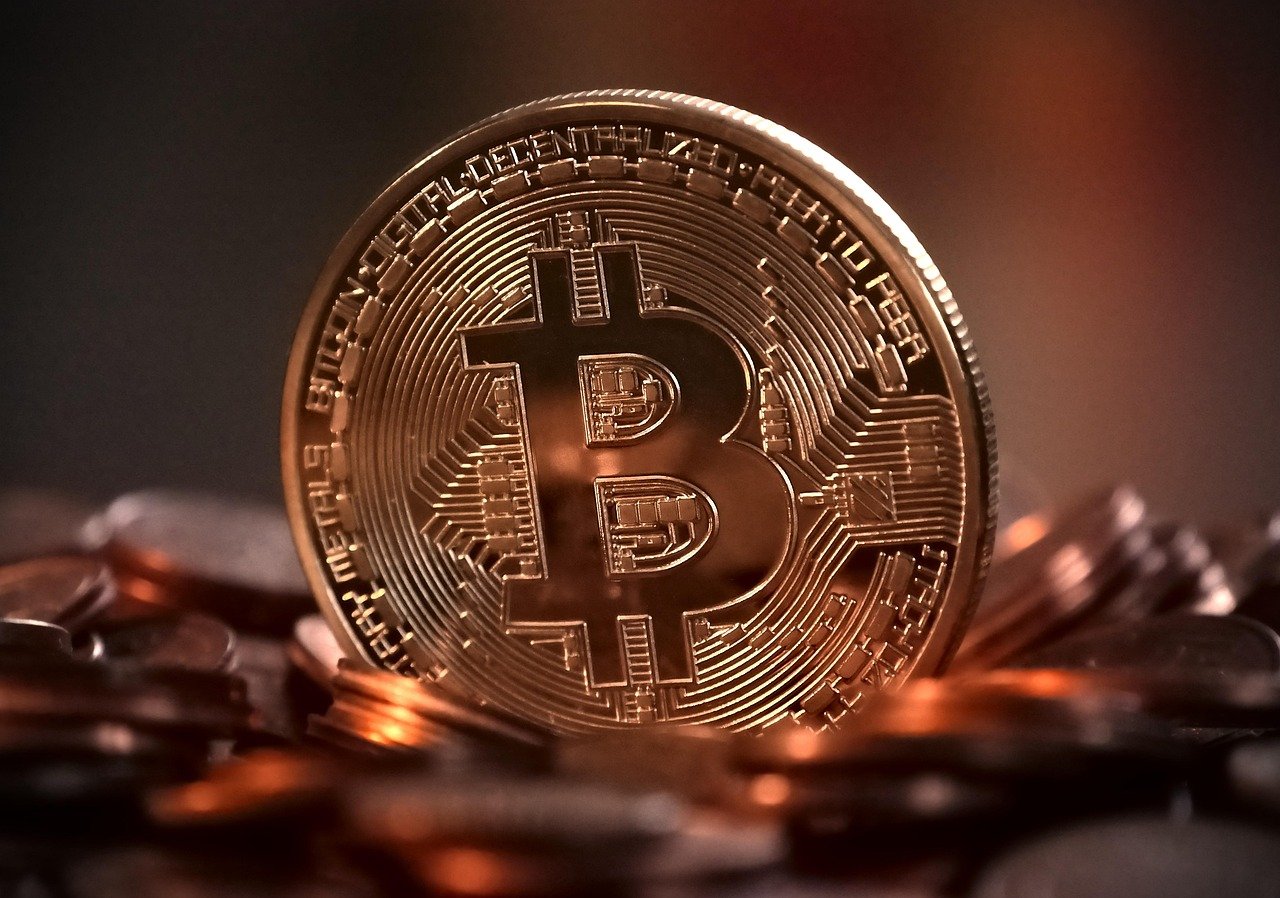
Across Texas, more people have begun giving digital assets a serious look, not because of a single trend but because these tools fit naturally into the way residents already manage their money and entertainment. Folks who once stuck to familiar financial routines now explore cryptocurrencies, digital collectibles, and other online assets simply because access has become easier. Blockchain technology plays a quiet but steady role in that shift, offering a sense of transparency that many people find reassuring. Texans often value control and independence, and digital ownership gives them both without adding much complexity to their daily lives.
Another reason interest has grown is that internet access and mobile technology have improved significantly throughout the state. Even smaller towns that once struggled with slow connections now enjoy dependable service, allowing people to try out digital platforms at their own pace. Many residents discover these tools through mobile banking apps or payment services before gradually exploring more advanced digital assets. Local fintech groups and community workshops have also helped bridge the gap for beginners, offering simple guidance that removes some of the nerves associated with trying new financial tools.
Entertainment has quietly introduced many Texans to the idea of owning and using digital assets. When online casinos started gaining attention, players learned just how fast cryptocurrency transactions could be. Sites offering bitcoin slots real money play showed people that deposits and withdrawals didn’t have to involve long delays or complicated processes. This experience helped them realize that digital currencies weren’t only for trading or long-term speculation. They actually served a purpose in everyday leisure, whether that meant exploring different slot types or testing out games built around blockchain technology. This practical exposure encouraged people to keep exploring on their own.
It also helps that Texans tend to share what they’ve learned with one another. Conversations happen in workplaces, neighborhood groups, or weekend meetups, and they often lead more people to test the waters. When someone close to you describes how they store their assets or explains a mistake they made early on, the information feels genuine and easier to trust. Online groups specific to Texas communities have become places where beginners can ask basic questions without feeling judged. This kind of peer guidance builds confidence in a way formal messaging rarely accomplishes, and it makes digital ownership feel less out of reach.
For many residents, the financial potential remains one of the strongest motivators. Digital assets can offer rewards or returns that differ from what banks or traditional investment accounts provide. Some people enjoy the speed of transferring funds between platforms, while others appreciate having low fees compared to what they are used to. Promotions and bonuses from crypto-friendly services make experimenting more appealing without requiring large commitments. As Texans become more familiar with these features, they start treating digital assets as a complement to their existing savings rather than something entirely foreign.
Education has also grown steadily, and that has made a big difference. Community programs, online courses, and even local universities have begun offering introductions to blockchain and digital finance. Many Texans who once felt overwhelmed by the terminology now understand the basics well enough to make their own decisions. Learning how wallets work or how to move funds safely turns what once felt intimidating into something manageable. These educational efforts don’t push people toward any specific platform but instead give them the tools to move carefully, and that sense of empowerment matters.
Security improvements have reassured residents, too. People enjoy seeing how blockchain records transactions without needing permission from a central authority. Adding protections such as two-step verification or cold storage options gives users more confidence in how they safeguard their holdings. Texans often prefer having the ability to verify things themselves, and digital systems let them do exactly that. As these protections became easier to understand and set up, more people felt comfortable moving part of their savings or earnings into digital formats.
Digital ownership also fits into everyday routines with surprising ease. Texans already rely on mobile payments, online shopping, and quick transfers for daily tasks. Because of that, managing digital assets doesn’t feel like a dramatic change. Residents can check values, make transfers, or buy digital items during a break at work or while waiting in line somewhere. The simplicity of using the same phone for entertainment, communication, and financial management turns digital ownership into one more tool within an already familiar system.
Market swings haven’t necessarily discouraged participation either. Some Texans see these fluctuations as opportunities to learn more about how digital markets function. Since these markets operate around the clock, people can check in whenever they choose without waiting for a trading window to open. While enthusiasm varies, the sense of personal control continues to attract individuals who enjoy managing part of their portfolio on their own terms.
Cultural acceptance has done the rest. Businesses experimenting with digital payments, local influencers discussing crypto openly, and everyday conversations about online assets have made the topic commonplace rather than niche. Texans appreciate tools that offer practical benefits, and as more people see digital assets being used in ordinary situations, they feel comfortable embracing them too. These daily encounters build familiarity and encourage residents to explore digital ownership at a pace that feels right for them.
Promoted content by esports.net.