
Agricultural theft may not make national headlines, but it has become a serious and expanding problem across the U.S. Each year, thieves cause an estimated $5 billion in damage across the U.S. by stealing equipment, copper wiring, fuel, and other essential materials. These losses disrupt irrigation schedules, delay harvests, and create supply chain issues that affect growers and consumers alike.
Reports from rural counties in California, where more than 80% of the world’s almonds, 60% of the world’s pistachios, and more than 50% of all fruits, vegetables, and nuts in the U.S. are grown, indicate that the situation is worsening. Law enforcement agencies say they are responding to more copper and equipment theft cases than ever before.
According to ag crime expert and Police Chief Bobby Rader, who has overseen thousands of theft investigations over the last 15 years, Tulare County in California, ranking No. 2 in U.S. agricultural production in 2024 and the location for the world’s first Ag Crime law enforcement division, reported more than $1 million in agricultural theft losses between January and September 2025.
That number does not include the many incidents that go unreported. Similar patterns are appearing in other major farming regions where large fields and widely spread infrastructure make farms particularly vulnerable.
Holiday Periods Create Ideal Conditions for Agricultural Theft
The timing of these crimes is not random. Rader notes that copper theft in California increased by 22% from 2024 to 2025, with clear spikes during holiday periods. Thieves know that farms are quiet when crews are off and families are away. Many growers return from long weekends to find stripped pumps, torn out wiring, or damaged panels. By the time the theft is discovered, the criminals are long gone.
Why Copper is a Threat
Copper theft is increasing for a simple reason: value and low risk. Copper prices range between $3 and $5 per pound, making it easy for thieves to turn stolen wiring into fast cash. Irrigation pumps, electrical panels, and fencing often contain large amounts of copper. Thieves can remove wire in minutes, but repairing the damage can take weeks and cost tens of thousands of dollars. Interruptions in irrigation can reduce yield, creating long-term losses for growers.

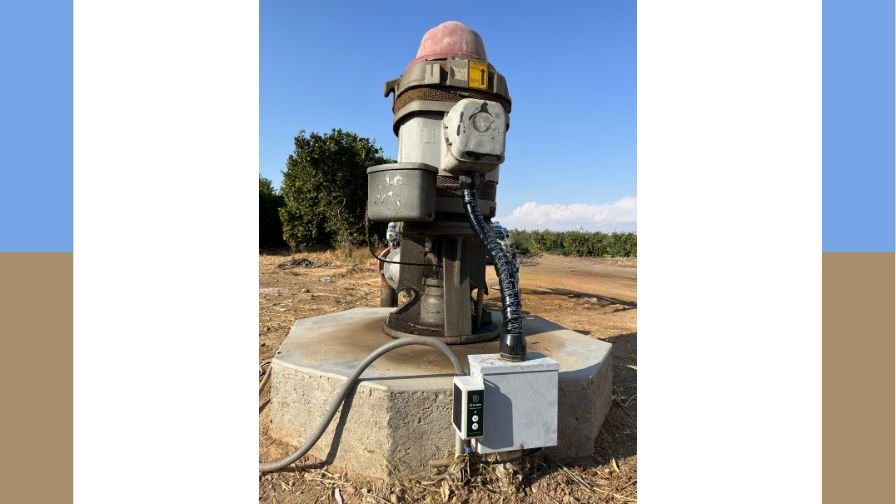
Copper thieves often target irrigation pumps. Installing a security system on equipment like this could help prevent losses. | Farmblox
Structural Challenges in Rural Areas
Thieves know that there is very low risk involved in agricultural theft: Stopping agricultural theft is difficult because of the remote nature of the equipment, spread across a wide tract of land. Cellular and internet connectivity can also be weak, which limits the reliability of traditional security cameras. Some rural counties have only a few sheriff’s deputies responsible for patrolling hundreds of square miles. Even with a quick police response, thieves can slip away across open land without being detected.
Growers are already under pressure from weather challenges, labor shortages, rising input costs, and changing regulations. Theft adds yet another strain, turning what used to be an occasional inconvenience into a constant operational concern.
What is Driving the Trend
Experts say several forces are contributing to the rise in farm theft. High copper prices create strong financial motivation. Farms often have limited surveillance and weak connectivity, resulting in natural blind spots. And periods when fields are quiet, such as weekends and holidays, give thieves predictable opportunities to strike.
A Persistent Threat for 2026 and Beyond
Agricultural theft is no longer a minor or temporary issue. It has become a systemic threat linked to commodity prices, rural infrastructure limitations, and seasonal patterns in farming. With copper remaining valuable and farms continuing to be difficult to monitor, growers will need to treat security as a permanent part of managing modern agricultural operations.
0
1
5
The Holiday Season Brings Spikes in Agricultural Theft