
Experts warn viral tin foil radiator hack could cause damage recommending an alternative instead to safely cut energy bills and heat homes faster

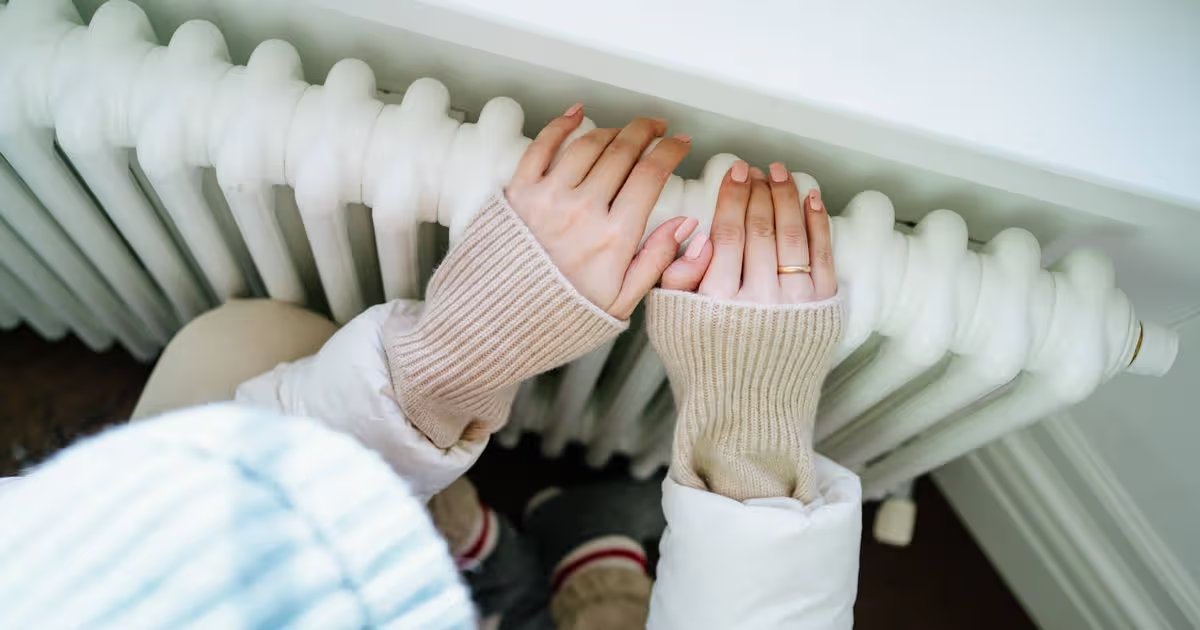
Experts warn viral tin foil radiator hack could cause damage recommending an alternative instead to safely cut energy bills and heat homes faster(Image: Tatiana Meteleva via Getty Images)
Winter consistently brings dreary and gloomy weather, alongside an unwelcome plunge in temperatures. Discovering a way to warm your home reliably without overspending can be an ongoing struggle, which is why numerous people have looked to viral social media clips for ideas, reports the Express.
Nevertheless, specialists recently discussed with Ideal Home some of the risks and problems associated with popular heating tricks that have circulated on social media. They stressed that these methods could potentially cause more damage than benefit when it comes to warming your home safely.
One widespread trick suggests that positioning tin foil behind radiators is amongst the most effective ways to heat homes. The concept is that the foil should reflect the warmth back into the room and prevent the heat from escaping through walls.
It functions as a thermal shield, deflecting radiant heat outwards into the living area instead, purporting to cut heat loss through non-insulated external walls by a considerable amount, and possibly reducing energy costs in the process. However, specialists have cautioned that simply because a household trick becomes viral, it doesn’t guarantee that what it’s claiming is accurate.
Scott Byrom, Energy Expert and Chief Executive at The Energy Shop, told Ideal Home: “Ordinary foil isn’t designed to sit behind a heat source. Over time, it can degrade or oxidise at higher temperatures, increasing the risk of smouldering or even fire. And without proper insulation backing, the heat-saving benefits are minimal at best.”
Andrew Topping, a firefighter with 26 years’ experience, cautioned about the dangers of placing tin foil behind radiators. He said: “Kitchen foil can oxidize and degrade over time and will lead to smouldering or burning at high temperatures if not replaced.”
The firefighter added: “These hacks gain traction because they seem simple and cheap, but what social media doesn’t show is the danger behind them.”
Scott said: “Instead, if your radiators are on external walls, use purpose-made radiator reflector panels that are fire-safe and designed to improve efficiency, or focus on draught-proofing, which delivers far more reliable savings.”
Rather than using tin foil, it’s advised to switch to radiator reflectors. These are slender panels or sheets that have been specifically engineered to prevent heat from escaping through the backs of radiators.
They’re usually constructed with foil or another reflective material, and occasionally cushioned with a thin insulation layer. These specially-made reflectors are available at DIY shops.
According to the Energy Saving Trust, radiator reflectors can reduce your carbon footprint using foil or other reflective material, and save up to £25 and £20 on your energy bills, respectively.
You can find radiator reflector foil and panels at Screwfix, B&Q, and Amazon.