
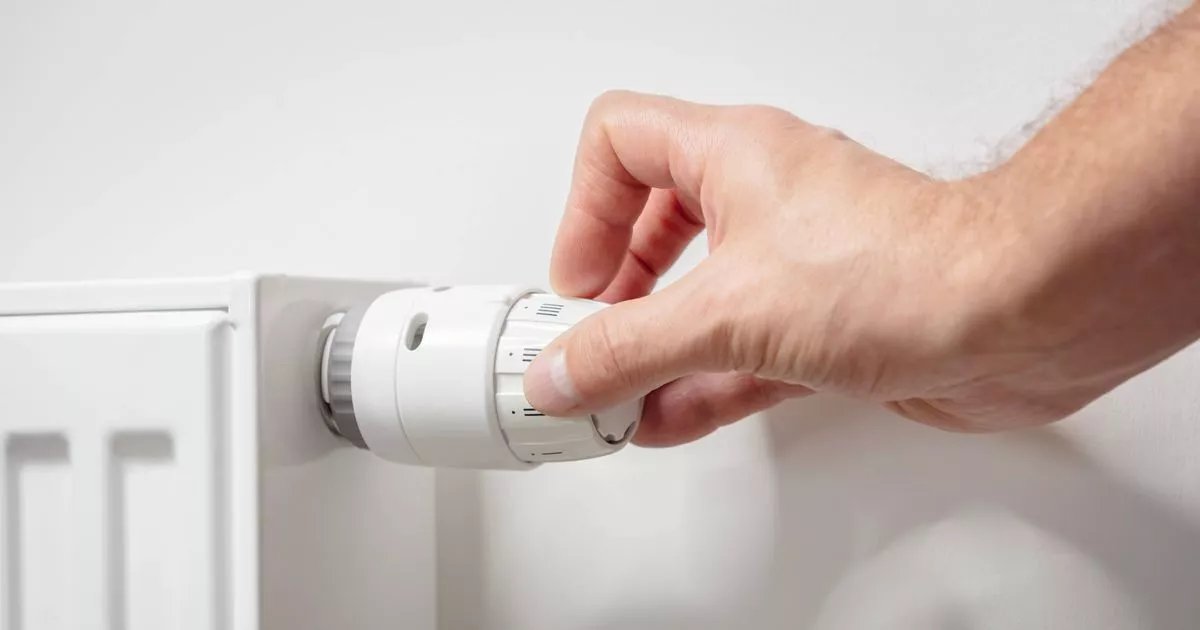
Consumer experts say setting radiator dials to the right numbers could save money on energy bills as temperatures drop this winter. If you want to cut your bills, then you need to avoid using a certain setting
As temperatures plunge, households across Britain are searching for ways to keep warm without sending their bills through the roof, and there’s a straightforward radiator adjustment that could make all the difference. Consumer champions Which UK shared that setting your radiators to a specific temperature can effectively heat your home whilst keeping energy costs down.
For anyone wanting to stay cosy without breaking the bank, this advice is particularly timely now November has arrived and central heating systems are being fired up across the country. After all, staying warm throughout the chilly months is essential, even when the worry of escalating energy bills looms large.
The key to maximising your radiators’ efficiency lies in setting the dial to a precise temperature. What’s more, there’s an additional simple step that can help them warm up more quickly.
In a helpful video guide, experts explained: “Don’t have this dial higher than three, unless it’s the room where your thermostat is. Whacking your thermostatic radiator valve up to five opens the valve to the max, letting loads of hot water into the radiator when your central heating is on.
“That’s great when it’s a room you want to heat up quickly, like the living room, especially if that’s where your main thermostat is but, if you have every radiator set to five, your heating bills could be higher than they need to be.”
The advice continued: “In bedrooms, you should keep the dial between two and three. This will keep the room temperature between 15 and 20 degrees, which is comfortable, and could save you money.
“If you’re going away for a while, set it to the frost sign. When your heating is on, this will allow just enough water into the radiator to keep the room above seven degrees, so your pipes don’t freeze.”
What many don’t realise is that setting the dial to number five heats rooms to approximately 30 degrees, which is far more than necessary, particularly in spaces you’re not actively using.
Therefore, it’s crucial to inspect your radiators and check what setting the dials are on. Taking this simple step could result in substantial savings during the winter months.
Experts also stressed the importance of regularly cleaning your radiators and bleeding them when required. These maintenance tasks help them operate more effectively.
Why does the dial setting matter?
As a general rule, households are encouraged to adjust the radiator valve according to each room’s heating requirements, which typically falls between two and three for most living spaces. This maintains the room at between 15 and 20 degrees.
The numbers on the valve represent a target temperature, meaning you can opt for settings like three in lounges and bedrooms, whilst using lower numbers for rooms that aren’t used as often. If you’re aiming for maximum warmth, you might be tempted to crank the valve up to its highest setting, but beware, as this will consume more energy.
It’s not advisable to set all your radiators to five, as this keeps the heat blasting at full tilt. This approach can lead to unnecessary expenditure as it forces your heating system to operate at maximum capacity in every room, resulting in some spaces being excessively heated. In simpler terms, it can significantly inflate your bills.
Experts warn that this could potentially add a whopping 10% to your heating expenses. That’s why it’s crucial to regularly check your radiators and adjust their settings appropriately.