
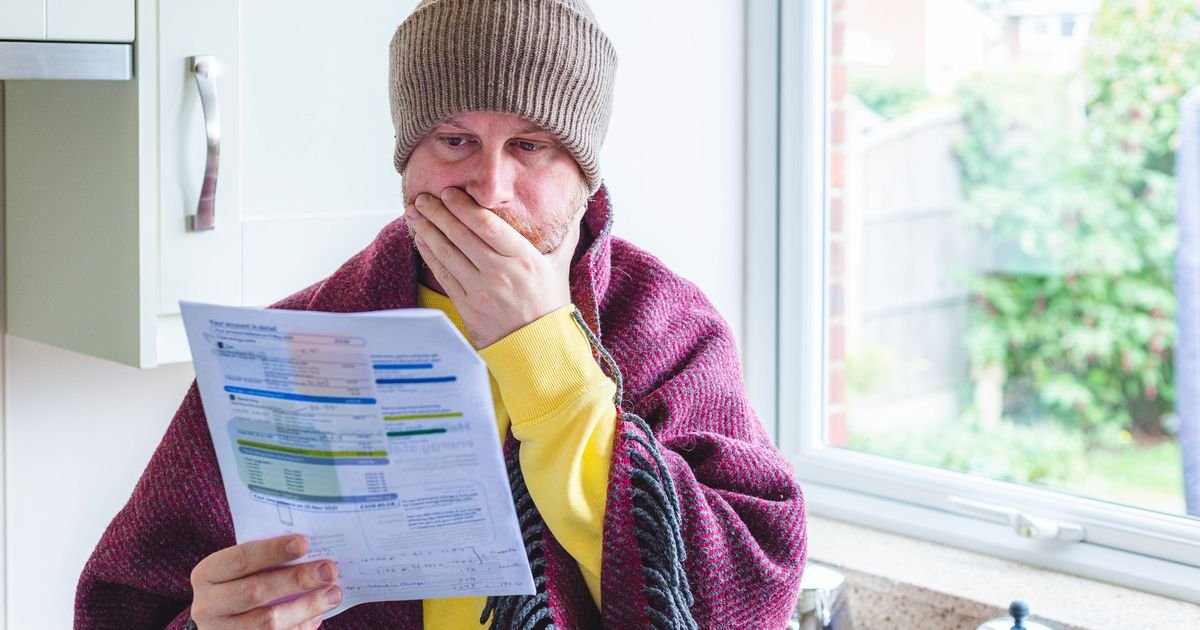
Chancellor Rachel Reeves faces calls from consumer champion Martin Lewis and others to use an energy bill cut to come good on her pledge to tackle the cost of living crisis in the Budget
Hopes are growing Labour will cut energy bills for millions of households in next week’s Budget.
Speculation is mounting Chancellor Rachel Reeves will ditch VAT on bills, saving a typical customer £84 a year. But pressure is growing for her to go further, with consumer champion Martin Lewis among those urging the government to shift policy costs from bills onto general taxes instead.
The spiralling price of gas and electricity has compounded the cost of living misery for many Brits. With the UK in the grip of freezing temperatures, regulator Ofgem confirmed its price cap for 34 million energy accounts will rise again in January to an average £1,758 a year, dashing forecasts of a much needed drop. While only small, campaigners say January’s increase will hit just as households’ energy use spikes. Nearly half of all gas is used in the first three months of the year.
To make matters worse, the cap is forecast to rise by another £57 to an average £1,815 next April, largely due to higher charges for operating and maintaining the UK’s energy networks Average energy bill are nearly £700 above the levels of five years ago.
Ms Reeves has vowed to make relieving cost of living pressures a key theme of the Budget.
Science Secretary Liz Kendall added to speculation that the government was gearing-up to take action, saying: “I want to assure people we are taking action. There’s the Budget to come next week, and the Chancellor has been very clear – she wants to see more action to bring the cost of living down.” She added: “We are absolutely determined to do more and I’m sure there will be more action on the cost of living in the Budget.”
The biggest chunk of the new £1,758 average annual bill is buying gas and electricity – the wholesale cost – at £690. However, this element has fallen from £720 a year in the final three months of this year. The next biggest – £396 – is network costs, or what consumers pay to build, fix and repair the pipes and wires to transport energy around the country. Suppliers’ costs account for another £279 a year – up £9 a year – while the amount they are allowed to make in profit has risen from £42 to £44 a year.
But the single biggest reason for January’s rise is a £21 a year increase in government policy costs, up from £215 to £236. This includes things like the renewables obligations, energy company obligation, Warm Home Discount, and feed-in tariffs, but now funding for the new Sizewell C nuclear power plant in Suffolk.
Households who use little to no gas face price rises of more like 3% or 4% in January, according to Mr Lewis, founder of MoneySavingExpert.com. He said: “We have to question why we lump all these policy costs on electricity bills – Warm Home Discount, debt forgiveness, renewables. It’s these policy costs that are now the key driver of predicted future price rises and are making an ever bigger chunk of energy bills.
“Putting them on electricity bills is regressive compared to putting them into general taxation – and is policy perversion for a government trying to get people to ditch gas “We know the investment being made in the network and renewables is likely to keep adding costs until the mid 2030s. We need to start thinking about the reality of that now, and how it is paid for.”
Ofgem’s announcement came as the UK had its coldest night of the autumn so far, as temperatures fell as low as minus 11.7C overnight in Scotland.
Ms Kendall told Sky News: “I know, especially as it is getting colder, that people are going to be really worried about their bills. They are going to be very worried indeed and I want to assure people we are taking action. In the short term, this winter, an extra quarter of a million people, that means six million households in total, will have access to the Warm Homes Discount, that’s £150 off their bills. In the long run, the only way we are going to get energy bills down is to make sure we have our own home grown clean energy, renewable energy.”
Charity Independent Age called for the Warm Home Discount to be increased to £400, plus a targeted energy social tariff.
Jonny Marshall, principal economist at think tank the Resolution Foundation, said: “The Chancellor should help families struggling with the cost of living in her upcoming Budget by moving some policy costs off electricity bills and onto general taxation. This would cut typical bills by around £160 a year, bring inflation down by 0.3 percentage points, and reduce the extent to which gas is cheaper than electricity.”
Dame Clare Moriarty, chief executive of Citizens Advice, said: “With bills still drastically higher than before the energy crisis, and due to rise again from April, it’s high time for decisions about the longer term. In next week’s Budget, the Government must cut electricity bills by shifting some policy costs into general taxation, or spreading them more evenly between gas and electricity. This could bring electricity bills down by hundreds of pounds, especially for those with the most stretched household budgets.”
Dr Craig Lowrey, principal consultant at experts Cornwall Insight, said: “Our forecast shows bills climbing again in April, but not because of wholesale energy – it’s down to the non-energy costs that keep the system running and future proofed.”
He added: “With the Budget just around the corner, it is possible that households may not end up paying this cap level. There has been widespread speculation as to whether the Chancellor could potentially reduce energy bills – whether through removing VAT or adjusting levies. However, the reality is that this is a zero-sum outcome.
“These costs will still need to be recovered, whether through bills or through taxes, as the pipes, wires, and networks that keep the lights on still need investment as we move to a cleaner, more secure energy system. On top of that, policy costs, like support for nuclear projects and schemes to protect vulnerable households all come with a price tag.
“Shuffling these costs around might make energy bills look lower, but it won’t deliver real and enduring savings for most households.
Minister for Energy Consumers Martin McCluskey said: “We know that energy bills remain too high. That is why we are taking immediate action, with millions more families receiving £150 off their bills through the expanded Warm Home Discount scheme this winter. We are taking the long-term action needed to bring down bills for good with the government’s clean power mission. We are also delivering our new golden age of nuclear, with cheaper, clean electricity to power millions of homes, kick-start economic growth and create thousands of jobs.”
Dhara Vyas, the chief executive of trade body Energy UK, said: “The industry is keen to see the Government take action to reduce bills, in a way that brings the most widespread and lasting benefits for customers, for example by removing some levies from electricity costs.”
Ofgem’s price cap sets a maximum rate per unit and standing charge that customers can be billed when they are not on a fixed tariff. It does not limit total bills because households still pay for the amount of energy they consume. The average annual bill for a lower user – typically a flat or one bed house – will be £1,271 a year. For a high users, for instance a four or five bed home, it will be £2,471 a year.
Tim Jarvis, director general of markets for Ofgem, said: “While energy prices have fallen in real terms over the past two years, we know people may not be feeling it in their pockets.”