
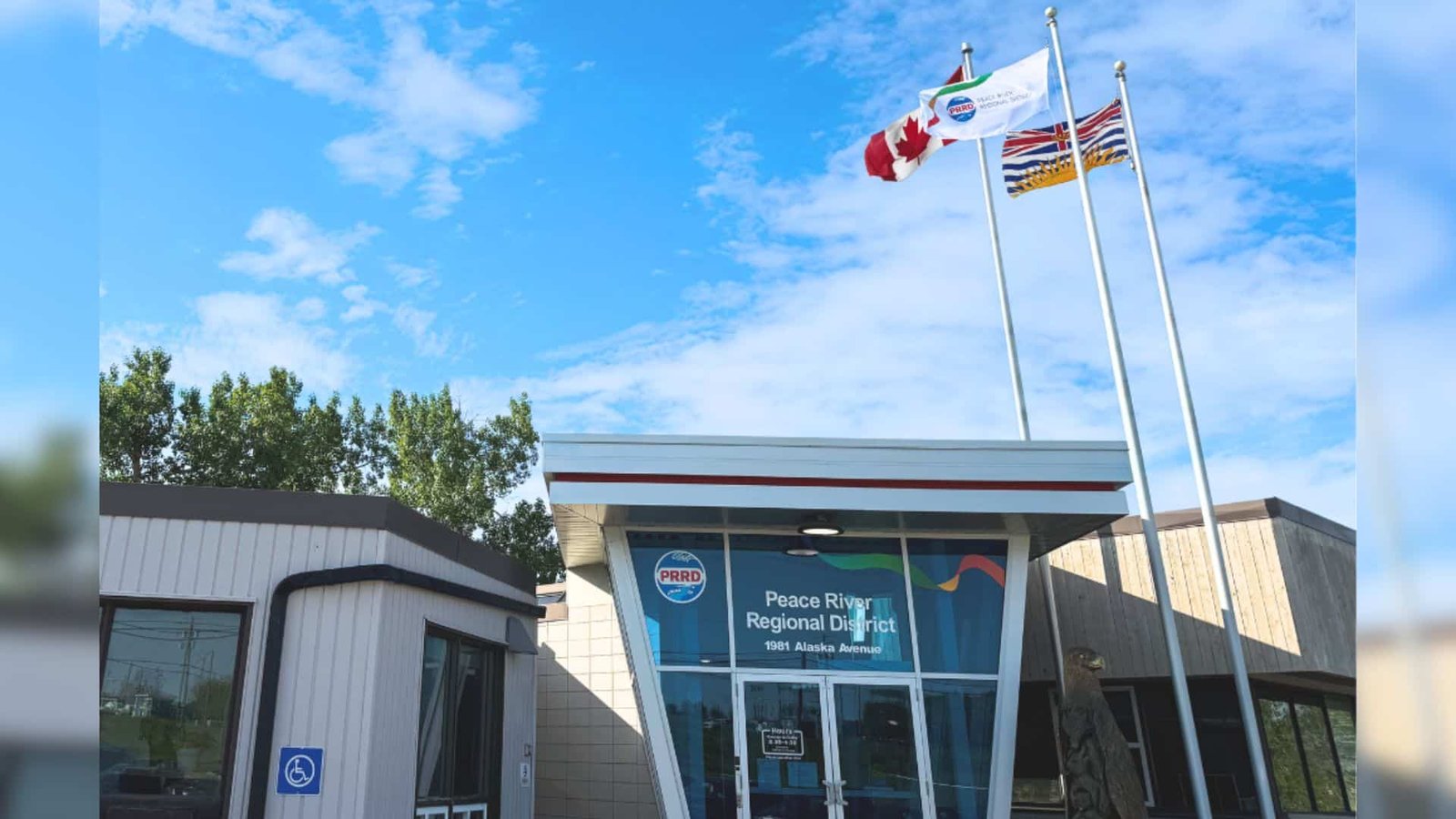
FORT ST. JOHN, B.C. — The regional board met with the Agricultural Land Commission (ALC) to discuss residents’ concerns about wind energy projects and the use of farm land.
During the October 16th regional board meeting, the Peace River Regional District (PRRD) board of directors met with members of the ALC to discuss concerns surrounding the implications of the Renewable Energy Projects (Streamlined Permitting) Act – or Bill 14 – in northeast B.C.
Bill 14 was recently passed by the Legislative Assembly of British Columbia and expedites the approval process for major green energy projects by handing regulatory authority over such projects to the BC Energy Regulator (BCER).
The ALC is a “provincial zone” that “preserves agricultural land for the future.” According to its website, it protects the Agricultural Land Reserve for agricultural use.
B.C. ALC chief executive officer Kim Grout and chair Jennifer Dyson spoke candidly with the directors, expressing major concerns about a lack of communication between the ALC and the BCER, which will be responsible for green energy projects moving forward.
The PRRD has been vocal about its concerns going unheard and questions left unanswered since the provincial government announced wind energy projects would be exempt from the environmental assessment process going forward in February.
“We don’t have a role in the process moving forward, and we’ve been the one asking to meet with [the BCER] to find out what their intentions are,” Grout stated.
Dyson said: “There isn’t a lot of confidence in the regulator to uphold the concerns of the north, so we need to continue to push together.”
Dyson and Grout explained most of the background information on the effects of agricultural land used for wind energy comes from Alberta. As such, the ALC is looking for information on processes for blade replacement and disposal, land reclamation and other concerns.
“We all recognize how vital the north is in terms of agriculture, but we’ve also had a lot of agriculture that has been unhappy with [the BCER],” Dyson said.
“Some of [the] concerns that we’ve expressed with the government…was that there’s really no process in terms of wind turbines.”
Following the presentation, the delegation and the board agreed to continue working together to get answers for constituents, and seek answers from individual wind energy projects that come forward to ensure they communicate with the community and the region.