
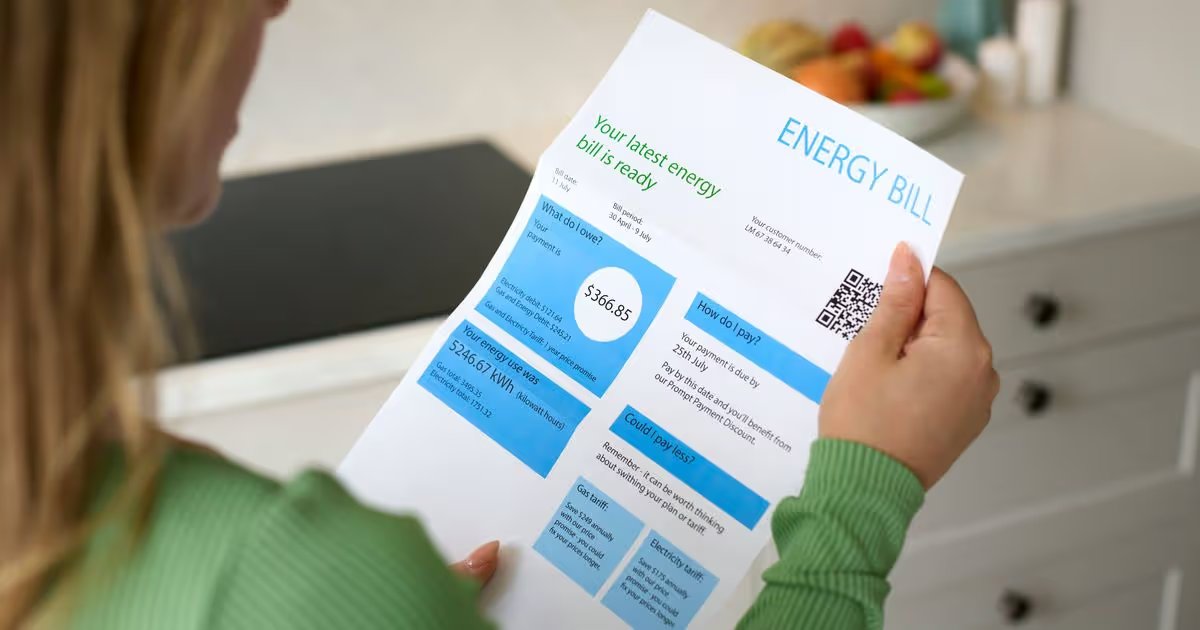
Britain’s energy watchdog has issued fresh advice to households on how to slash gas and electricity costs with some simple steps

Ofgem suggests households can start saving instantly(Image: monkeybusinessimages via Getty Images)
The UK’s energy regulator has provided new guidance to households on how to reduce gas and electricity expenses. This comes as recent predictions indicate the energy price cap could decrease by approximately £117 in April due to Government plans to eliminate green levies from bills – offering some respite after years of steep costs.
In a social media update, Ofgem outlined straightforward steps that can lower bills, ranging from adjusting your boiler settings to replacing old lightbulbs with LEDs. Despite millions still grappling with high energy costs, the regulator asserts that savings are achievable “with these everyday actions and home improvements”.
Quick wins you can do today
Ofgem suggests households can start saving instantly with minor behavioural modifications. One of the most significant is reducing your boiler temperature. If you own a combi boiler, decreasing the flow temperature for radiators and hot water can make it less expensive to operate.
Lowering your thermostat setting and turning down radiators in vacant rooms can also cut heating expenses. Advice from the Energy Saving Trust demonstrates how using heating controls correctly can significantly impact bills.
Laundry is another area where savings accumulate. Washing at 30°C, fully loading the machine and utilising shorter cycles all diminish electricity consumption – without compromising cleanliness, thanks to contemporary detergents.
When evening temperatures plummet, the simple act of drawing your curtains can stop precious warmth from seeping out through the windows.
Slashing lighting bills: three straightforward changes
Ofgem has highlighted three essential tips to reduce lighting expenses:
- replace outdated incandescent filament bulbs with LEDs, CFLs or halogens
- switch off lights in unoccupied rooms
- fit motion sensors so lights only activate when required.
According to the Energy Saving Trust, swapping an old-fashioned bulb for an energy-efficient LED could deliver savings of up to £4 per bulb annually.
Smart home improvements that deliver returns
Beyond everyday routines, Ofgem recommends practical upgrades that can secure lasting savings. Draught-proofing around doors and windows helps retain warmth whilst keeping the cold at bay – though ventilation channels must remain clear.
Where replacing single glazing isn’t feasible, window film or secondary glazing can minimise heat loss. Wrapping a hot water tank with a cylinder jacket represents another affordable solution that prevents heat wastage.
Smart thermostats and heating controls guarantee that heating and hot water operate only when necessary. Energy suppliers can also fit smart meters at no cost, enabling households to track consumption more accurately.
Bigger changes, bigger savings
For those with the capacity to invest more, the watchdog points out larger enhancements such as:
- Purchasing appliances with high energy ratings (A being the most efficient, G the least).
- Fitting double glazing.
- Enhancing loft, wall and radiator insulation.
Home insulation is described as “one of the best things you can do” to keep homes warm and reduce energy consumption.
Check your EPC and claim help
Households are also encouraged to examine their Energy Performance Certificate (EPC), which details how efficient a property is and what upgrades could save money. Government “Help to Heat” schemes may offer grants for insulation and other improvements, whilst assistance is available for those finding it hard to pay their bills.
Ensure our latest headlines always appear at the top of your Google Search by making us a Preferred Source. Click here to activate or add us as your Preferred Source in your Google search settings.