
Nicola Sfondrini – Partner Digital and Cloud Strategy at PWC.
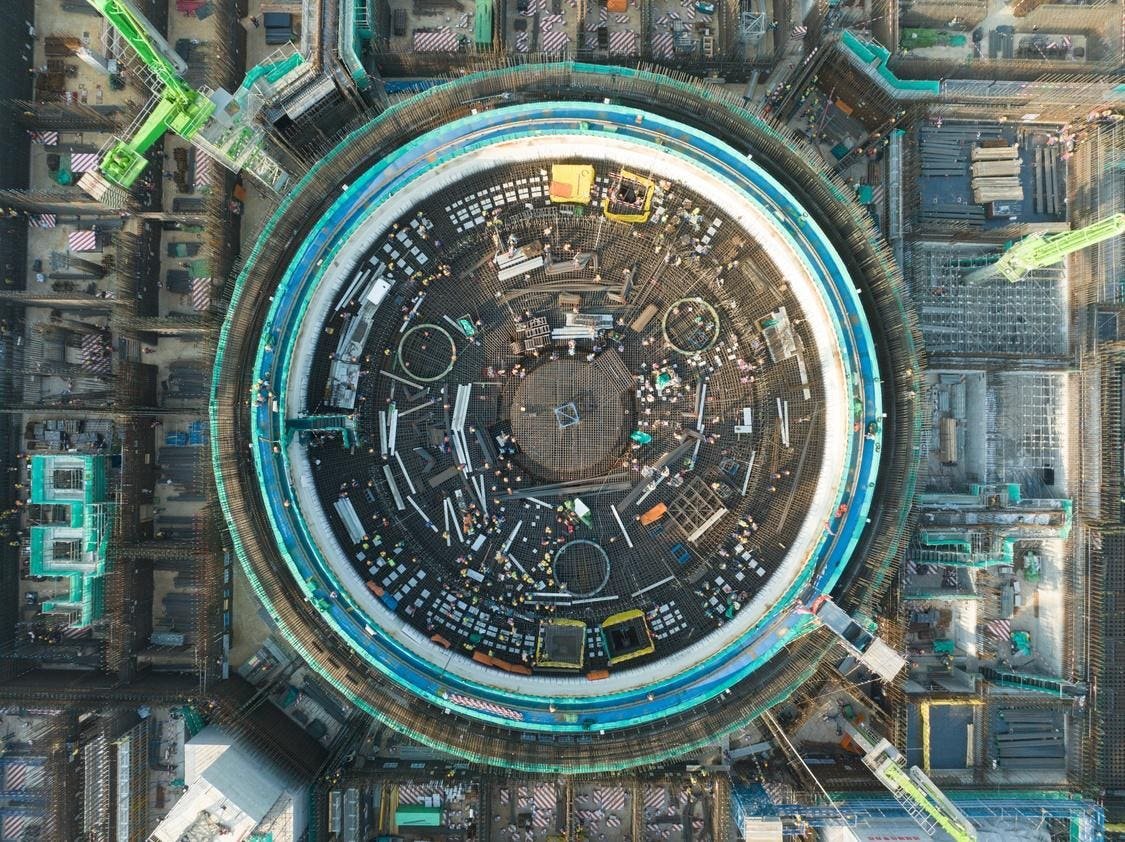
If artificial intelligence is the zeitgeist of the 21st century, it’s powered by something more prosaic: electricity. The energy required to train a frontier model is equivalent to the annual power consumption of thousands of homes. And even in inference at global scale, serving billions of users, there’s a constant baseline load. Data centers have moved from supporting actor to leading consumer.
Renewables are, of course, still the backbone of a green transition. But solar and wind are intermittent, unable to match the around-the-clock, 365-day-per-year demand of hyperscale AI compute clusters. Batteries and grid storage are rapidly developing, but not yet at the scale required. The imbalance of supply and demand is opening the door to a resurgent nuclear.
The Nuclear Renaissance
Once exclusively the domain of heavy industrial consumers or state energy policy, nuclear energy is coming to the boardrooms of cloud and AI hyperscalers. That’s not to say it’s easy. Political risk, public perception, permitting timelines and waste management are considerations.
But in one sense, nuclear is the ideal source of energy for data centers. It’s the only source of carbon-free, continuous base-load generation at a massive scale. Nuclear power has a halo effect for enterprise that just wasn’t there in previous decades. Climate targets, urgency and AI’s own drive for electricity are realigning business incentives.
The technical case for nuclear power is further strengthened by new reactor technologies. Small modular reactors (SMRs) and next-gen Gen IV designs offer a more flexible approach, with plants directly delivering 50 to 500 megawatts to a data campus. Early partnerships between hyperscalers and SMR vendors signal that it’s time to move from R&D into the real world.
Strategic Consequences For Enterprises
It’s also the first link in a chain of strategic consequences for the enterprise. First and most obviously, resilience: a long-term, nuclear-backed energy supply that’s protected against both price fluctuations and grid volatility.
On the positive side, this translates into new levels of flexibility and innovation. Compute isn’t the limiting factor on AI training and inference—it can now run continuously with no interruption. As for the bottom line, corporate sustainability and decarbonization reports are no longer talking points but quantifiable.
In fact, the sourcing of energy is rapidly evolving from an operational concern to a strategic lever. Where previously the boardroom conversation had been about cloud architecture, long-term energy partnerships are on the table. And by choosing nuclear power, enterprises can make a statement about their resilience, climate responsibility and willingness to think about the future.
The Challenges Of Embracing Nuclear
As with any energy source, nuclear comes with costs and barriers to adoption. Public perception is the first of these. Even if the reality of reactor safety has improved dramatically, the accidents in Chernobyl and Fukushima continue to drive a political narrative.
The second is the difference in timescales. While the energy transition is measured in years, the licensing and permitting required for a nuclear power plant can take a decade or more. Add to this the political risk around waste disposal.
It does, however, mean that the hyperscaler looking at nuclear energy in 2025 is not just a consumer but a participant in a broader societal discussion around energy. The path to credibility in this context will require transparency, robust stakeholder engagement and the ability to show that a nuclear partnership is in service of innovation and responsibility.
The Convergence Of Technology And Energy
The relationship between AI and nuclear is just one part of a larger truth. In data center design, technology and energy are now indivisible. It’s no longer enough to build the most energy-efficient facilities. Compute density and performance are determined by how data centers manage power on every level: from chip design and architecture through to cooling and, in our case, power sourcing strategies.
Cost and efficiency are a function of the whole system. Frameworks like FinOps, for financial accountability, and GreenOps, for sustainability and carbon management, are increasingly adding energy strategy as a first-class citizen. Leaders must start to think about success not only in terms of latency but also in terms of megawatts and emissions. Nuclear power now offers a reliable base load on which to flex renewables and energy storage.
A Hybrid Energy Future
The public narrative around energy transition can make it feel like a binary decision. But in practice, resilience is driven by portfolio and diversity of energy sources. Solar and wind are inherently more flexible. Nuclear power plants anchor the baseload capacity needed to support AI workloads.
Building that future calls for hybrid architecture. In the near term, there will be 3PL logistics colocated SMRs next to hyperscale campuses, as well as renewable farms that can feed electrons into the grid with the flexibility it requires. In the longer term, these assets will be optimized by AI-based digital twins in real time. Energy will be no longer just one more thing AI consumes. It’ll start to orchestrate its own use.
Lessons For Leaders
The rise of nuclear energy in the data center, and the data center’s place in the energy transition, offer three key lessons for business leaders in a hybrid age.
The first is energy itself. It’s no longer just another line on the P&L; it’s one of the most important determinants of competitiveness. The second is partnerships. Buyers of compute, storage and power can no longer confine that list to cloud vendors. Utilities, policymakers, regulators and nuclear reactor providers are part of the critical ecosystem. The third is credibility. It’s not enough for enterprises to pursue nuclear technology as a private sector innovation. Nuclear power must be social, too.
None of this can happen without a change in perspective among technology leaders themselves. CIOs and CTOs will have to start seeing energy strategists and sustainability officers as their peers and join forces. Meanwhile, boards must develop a sense of regulatory timelines, community engagement and carbon accounting as rigorous as their digital product roadmaps.
Forbes Technology Council is an invitation-only community for world-class CIOs, CTOs and technology executives. Do I qualify?