
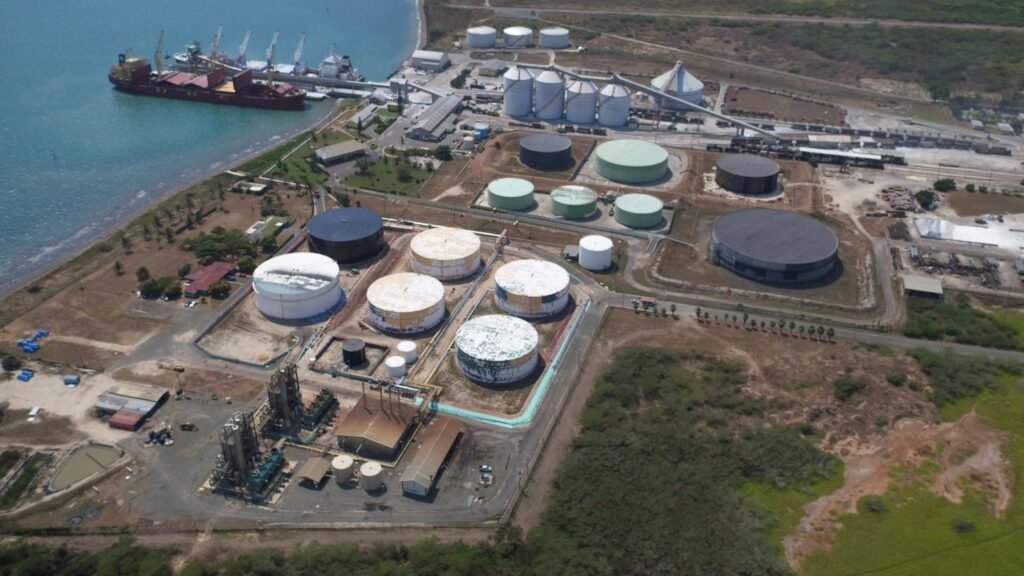
Petrojam is Jamaica’s sole oil refinery and primary supplier of petroleum products.
As Jamaica enters 2026 our energy sector stands at a defining crossroads. Rising electricity demand, climate imperatives, and shifting global energy markets are converging at a moment when decisions taken today will shape our economic resilience, competitiveness, and energy security for decades to come.
For a country that depends on imported fuels for close to 90 per cent of its energy needs, the global energy landscape is not an abstract concern — it is felt directly in electricity bills, transportation costs, food prices, and the overall cost of living. The challenge therefore is clear: How do we secure reliable, affordable energy today while building a cleaner more sustainable system for tomorrow?
Emerging from a year marked by price volatility, geopolitical shocks, and seismic swings in global market sentiment, Jamaica’s oil and gas sector enters 2026 with cautious optimism, aided by growing confidence in emerging energy-source options and the continued rise in electricity demand.
Internationally, the oil and gas market remains volatile. Geopolitical tensions, supply disruptions, and shifting trade policies continue to inject uncertainty into price forecasts. While analysts expect only modest demand growth in 2026, supply dynamics and geopolitical risks mean that price stability is far from guaranteed.
For Jamaica, this volatility matters. Our energy security is tightly linked to global markets, and we are therefore exposed to shocks beyond our control. As the country’s primary petroleum supplier, Petrojam carries a national responsibility to ensure reliable fuel supply, even in turbulent global conditions. At the same time, we are accelerating efforts to reduce carbon intensity and support the country’s long-term transition to cleaner energy.
ENERGY SOLUTIONS TO WATCH IN 2026
Renewable energy is poised to continue its growth as one of the world’s fast-growing energy sources, and Jamaica is firmly aligned with this trend. Solar and wind already play an important role in our electricity mix and further expansion is expected.
Petrojam is pursuing multiple initiatives to increase the share of renewables in the energy mix aligned to the country’s move towards cleaner, more sustainable energy. Petrojam is also playing an enabling role in facilitating the adoption and blending of low-carbon fuels, and helping to create the necessary infrastructure and regulatory alignment to accelerate this transition to cleaner energy.
While not a renewable, liquefied natural gas (LNG) is emerging as a critical transition fuel for Jamaica. It offers lower emissions than heavy fuel oil and diesel, greater price stability, and strong potential for use across electricity generation, manufacturing, and public transportation.
Petrojam is positioning itself to play a key role in LNG supply and distribution, supporting the shift of power generation and industrial users to cleaner fuels. LNG will be a key bridge between today’s petroleum-based system and tomorrow’s low-carbon energy future.
Advanced biofuels derived from sustainable biomass, agricultural residues, and solid waste are also gaining traction globally. These fuels offer real potential to reduce emissions in hard-to-abate sectors.
Of note is sustainable aviation fuel (SAF), which can significantly lower the carbon footprint of air travel. As a major tourism destination and aviation hub, Jamaica stands to benefit strategically from early engagement in SAF development. Renewable diesel and green methanol for marine transport are also emerging opportunities as the shipping sector moves toward decarbonisation.
EMERGING FRONTIERS: NUCLEAR AND HYDROGEN
Globally, there is renewed interest in nuclear energy, particularly as a reliable, carbon-free base load power source for energy-intensive activities such as data centres supporting artificial intelligence and cloud computing. Advances in small modular reactors (SMRs) are making nuclear more accessible to smaller economies.
In Jamaica, nuclear energy remains at the exploratory stage. Petrojam has been invited to be a part of the International Centre for Environmental and Nuclear Sciences (ICENS) Working Group, which is examining the potential role of nuclear in a low-carbon energy future, including its application in electricity generation and pink hydrogen production (hydrogen generated from the electrolysis of water using nuclear energy).
Nuclear energy offers low operating costs and high reliability once online, delivering large volumes of carbon-free electricity at stable and predictable prices. By reducing exposure to fuel price volatility it has the potential to support economic development and help level the playing field between high- and low-income countries.
Meaningful consideration of nuclear must be balanced and aligned with safety standards, regulatory readiness, waste management, and public acceptance. The objective at this stage is knowledge preparedness and informed national dialogue.
ENERGY SUBSTITUTION: A GRADUAL REALITY
While the global conversation often suggests rapid substitution away from fossil fuels, the reality for small, developing economies is more complex. Infrastructure constraints, financing requirements, and the need for system reliability mean that energy transition must be carefully managed.
For Jamaica, the path forward is not abrupt replacement but strategic diversification — layering renewables, LNG, and emerging fuels alongside existing petroleum supply to ensure reliability, affordability, and resilience.
Environmental, social and governance (ESG) performance is no longer optional; it is increasingly a prerequisite for attracting capital, maintaining regulatory credibility, and building public trust.
In 2026 Petrojam will be further strengthening its ESG framework, with particular focus on reducing our carbon footprint, enhancing transparency, and improving governance systems. As Jamaica explores offshore oil potential, a strong ESG foundation will be essential to guide responsible development, environmental protection, and stakeholder confidence.
JAMAICA’S REGIONAL ROLE
Beyond domestic supply, Petrojam continues to support regional energy resilience through trade. By refining and supplying high-quality fuels to Caricom member states, we contribute to economic stability and regional integration. 2026 presents an opportunity to further define Jamaica’s role as a regional energy hub- leveraging our infrastructure, logistics capability, and strategic location to support neighbouring economies.
Jamaica’s energy future will be determined not only by technology choices, but by the value we deliver, the depth of our sustainability efforts, and the speed at which we adapt. The energy transition is not just an environmental imperative — it is an economic strategy, a competitiveness issue, and a national resilience priority.
Petrojam stands at the centre of this transition, repositioning to become Jamaica’s multi-energy innovator supporting renewables, advancing LNG, enabling biofuels and SAF, and preparing for emerging technologies. By acting early, building digital and operational resilience, forging strategic alliances, and staying ahead of global energy trends, Jamaica can secure a future that is cleaner, more affordable, and more resilient.
The decisions we take in 2026 will shape our energy security for a generation. If we get them right, Jamaica will not only meet its energy needs but will lead in building a modern, sustainable energy system for the Caribbean.
Telroy Morgan is the general manager for Petrojam, Jamaica’s sole oil refinery and primary supplier of petroleum products. He has over 30 years’ experience in the petroleum industry and has served on several industry committees, panels, and accreditation bodies locally and internationally.
MORGAN.