
Agriculture is advancing at an incredibly fast pace, with cutting-edge innovations in precision farming, biotechnology, robotics, and sustainability reshaping the industry. Yet one major challenge remains: Ensuring these advancements reach the farmers who need them most — many of whom belong to an aging population.
The average American farmer is now nearly 60 years old, and while younger generations are stepping into the industry, a significant portion of food production still relies on older farmers who have deep institutional knowledge but may be less familiar with emerging technologies.
So how do we effectively shift modern information and new farming practices to this demographic?
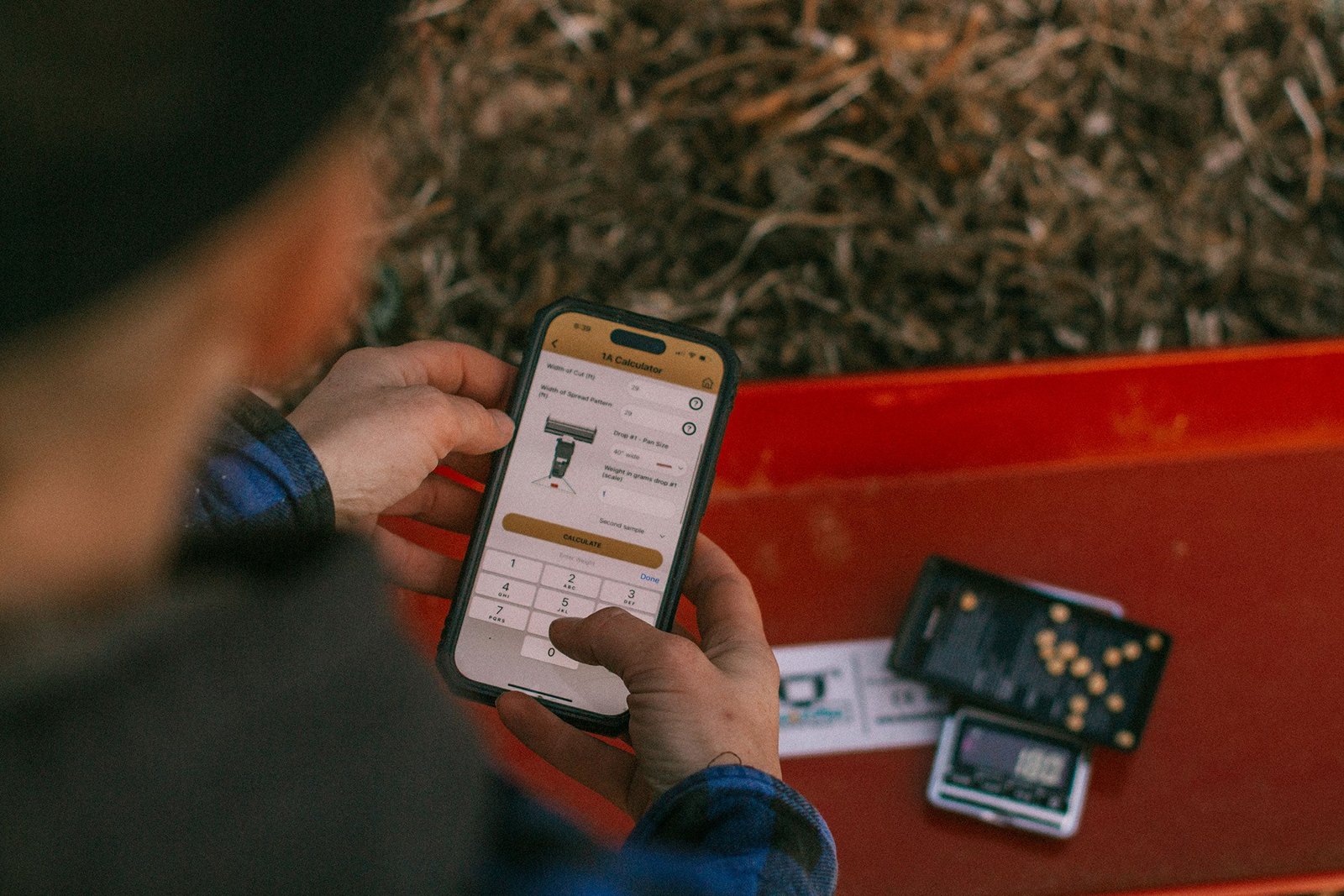
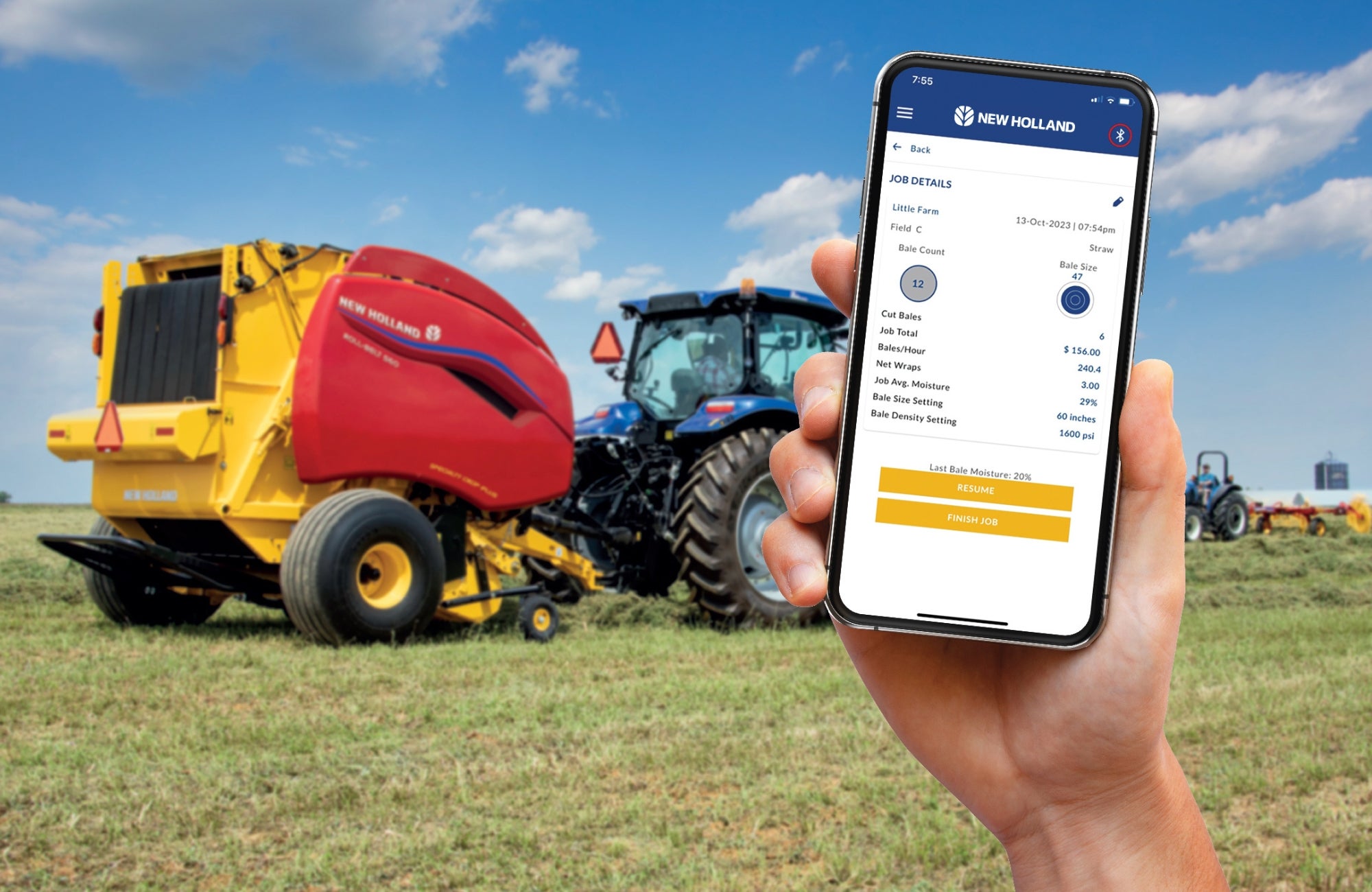
“We do it this way because Dad did it this way” is a popular way for farmers to stay comfortable in the “tried and true” traditional methods. Older farmers are seasoned and have spent decades perfecting their craft and may not see an urgent reason to change. “If it ain’t broke, don’t fix it” can be low motivation to adopt new technologies. Reporting has long shown that older generations — especially in cases where a farming operation doesn’t have multiple decisionmakers — may also not be as comfortable with digital tools like mobile apps, GPS-guided equipment, or precision ag software, making adoption more intimidating. Learning to use new technology requires training, and if resources aren’t accessible or user-friendly, many farmers won’t take the time to figure it out on their own.
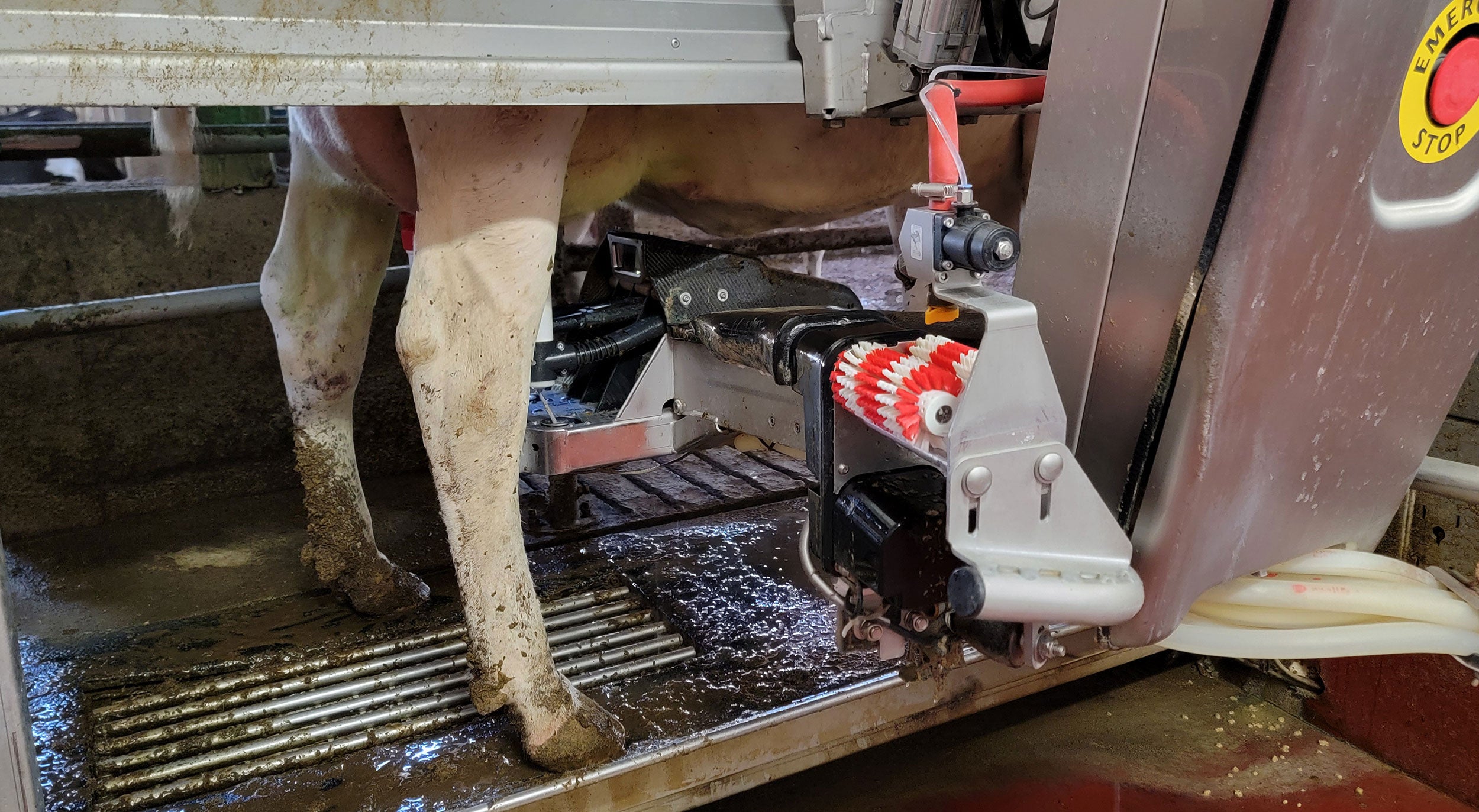
There’s often a wait-and-see approach when it comes to new agricultural innovations. Many farmers want proof that a new practice will provide real benefits before making the switch. And what about cost? Advanced technologies like robotic milkers, drones, or automated irrigation systems require significant investment. Farmers nearing retirement may hesitate to take on large financial commitments for equipment they may not use for decades.
Seeking a way to encourage Dad and Grandpa to embrace technology? Here are some tips:
1. Leverage trusted sources for education
Farmers trust information from sources that have historically served them well. University extension services, commodity groups, and farm organizations have long been trusted sources of knowledge. These groups do a great job of hosting field days where farmers can see new technologies in action, provide in-person and online training programs, or offering one-on-one assistance to help farmers integrate technology into their operations.
In addition, veterinarians, agronomists, and other farm service providers can help to guide farmers toward technologies that can improve efficiency and profitability.
2. Pairing New Technology with Practical Demonstrations
Seeing is believing. Farmers are more likely to adopt new practices if they can witness the benefits firsthand. Programs that allow farmers to test equipment before making a financial commitment– such as cooperative purchasing programs or on-farm demonstration trials — help reduce the risk of adoption.
Ag retailers and equipment manufacturers have a vested interest in ensuring farmers understand how to use their technology, so many companies offer field demonstrations and personalized training. These hands-on approaches make new tools less intimidating.

3. Encouraging Peer-to-Peer Learning
Farmers are far more likely to trust other farmers than corporate sales pitches. Encouraging early adopters to share their experiences can go a long way in building confidence among those who are hesitant.
Whether it’s through farm tours, producer panels, or informal coffee shop discussions, peer-to-peer learning is one of the most effective ways to get more farmers on board.
4. Simplifying Technology for Practical Use
While many new agricultural tools come with impressive capabilities, they must be designed with the end user in mind. If a farmer can’t figure out how to operate a precision ag tool within a short time, they’re unlikely to use it.
Companies developing these technologies should prioritize intuitive user interfaces, simple instructions, and top notch customer and tech support.
5. Financial incentives & cost-sharing programs
Cost is often the biggest hurdle to adopting new technology, particularly for older farmers who may be nearing retirement. Government programs, industry grants, and cooperative funding initiatives can help offset these costs. The U.S. Department of Agriculture, state ag departments, and farm organizations offer cost-share opportunities and tax incentives for adopting certain conservation and precision ag technologies. Making these funding sources easy to navigate and apply for will encourage more farmers to take advantage of them.
Younger farmers tend to be more tech-savvy and willing to adopt new practices. Encouraging multigenerational learning within farm families can help transition operations into a more modern approach. Younger generations can help lead the way on new technology integration by bringing in digital tools in a gradual, step-by-step approach rather than overwhelming older farmers with drastic changes. Finding creative ways to blend traditional knowledge with modern advancements can also help with an easier transition.
New agricultural technology is only as effective as its adoption. If farmers — especially those with decades of experience — are left behind, the industry won’t fully benefit from the advancements being made. Bridging this knowledge gap requires a combination of education, demonstration, financial support, and trust-building. By ensuring that innovation reaches all farmers, regardless of age or background, we can create a more productive, sustainable, and efficient agricultural industry.
After all, the best technology is the kind that gets used — and used well.
Michelle Miller, the Farm Babe, is a farmer, public speaker, and writer who has worked for years with row crops, beef cattle, and sheep. She believes education is key in bridging the gap between farmers and consumers.