
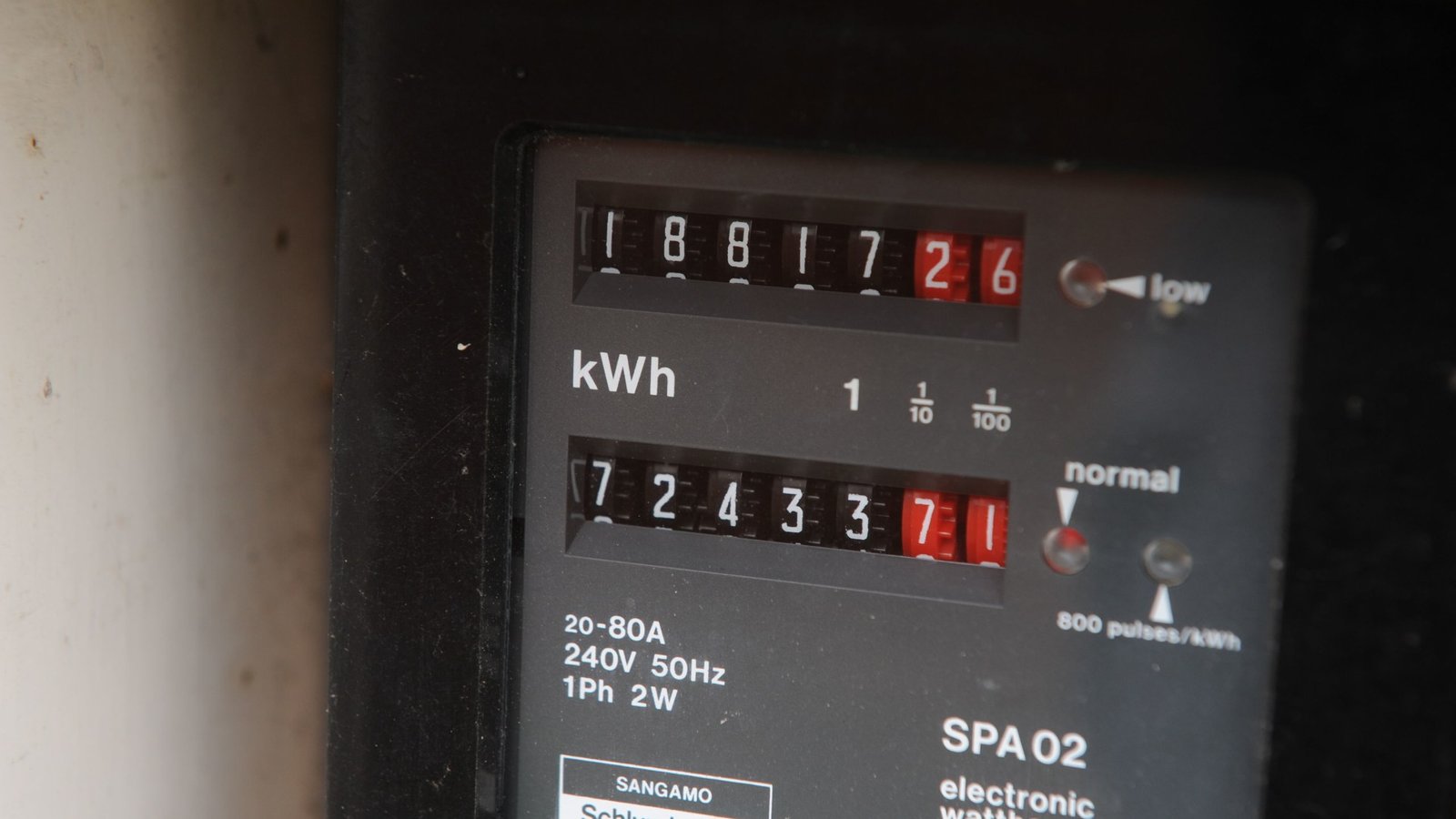
THOUSANDS of households are sitting on a ticking time bomb that could leave them freezing cold and without hot water within weeks, energy watchdog Ofgem has warned.
In a desperate final push, the regulator is urging 150,000 customers to ditch their “zombie” electricity meters before the signal that powers them is killed off for good.

The warning centres around the Radio Teleswitch Service (RTS), a technology that piggybacks on the BBC Radio 4 long-wave signal to tell meters when to switch to cheaper electricity rates.
Many homes rely on this ageing signal to trigger their heating and hot water automatically, but the service is being permanently retired as the smart meter roll-out accelerates.
While the switch-off was paused this winter to protect pensioners and families, the shutdown is set to resume with full force in Spring 2026.
The number of RTS meters has fallen from about 600,000 to 165,000 in the past year, but time is running out to replace the rest before the signal goes silent.


Charlotte Friel, Ofgem’s director of retail pricing and systems, said progress is “rocketing” at around 1,000 replacements a day but warned homeowners not to be complacent.
She said: “We want to make 2026 the last year for RTS… that goal is within sight.
“But there is more work to be done, and it must be done urgently as the switch-off… will resume at pace in the spring.”
If you do not act and get your meter upgraded, you could face more than cold showers.
When the signal fails, your meter may get stuck on the pricey day-rate tariff 24/7, sending bills through the roof.
You are likely to have a RTS electricity meter if a separate box or the meter itself is labelled “Radio Teleswitch”.
Suppliers must replace RTS meters with smart meters free of charge and should arrange the swap and restore your tariff settings.
How do I know if I have an RTS electricity meter?

YOU’LL be able to tell if you have a meter that relies on the RTS quite easily.
The oldest RTS-powered meters have a switch box labelled “Radio Teleswitch” located next to the physical electricity meter.
Others may have the RTS switch box included within the electricity meter as a single box on the wall.
If you’re unsure about the type of electricity meter in your home – call your supplier as they’ll usually have this information on hand.
RTS is also sometimes called dynamically teleswitched (DTS).
Will my smart meter work like an RTS meter?
Smart meters offer the same features as RTS in that they can record the different prices at different times of day offered by Economy 7 tariffs.
They work using a digital signal and can also show your energy usage in real time, something many users find useful for reducing it and saving money.
Smart meters are being rolled out by suppliers across the country and around 36million households have one, though they are not without issues.
Around one in ten are thought to be “dumb” according to recent data from Ofgem.
Issues include a broken display and trouble connecting to the network in some areas, while many first-generation smart meters have outdated technology, though this is unlikely to be an issue with ones fitted now.
Suppliers should make efforts to fix smart meters that are not working, but you may have to make meter readings in the meantime to ensure accurate bills.
Monitors—the part of the smart meter that shows readings and usage—less than 12 months old should be replaced or fixed for free.
You can ask your supplier for a traditional meter instead, but as smart meters are replacing them, they are not obligated to give you one.
What is a smart meter?
SMART meters are gas and electricity meters that can digitally send readings to your energy supplier.
They show you how much energy you are using in pounds and pence, so can be used to help reduce your energy bill.
Unlike traditional meters, which simply register a running total of energy used, smart meters can record half-hourly price and consumption data and provide automatic meter readings to your energy supplier.
Most homes have two meters, one for gas and one for electricity – both will be replaced with smart meters.
You will also be offered an in-home display to show you the cost and amount of energy you are using at any given time
It will update every 30 minutes for gas and in near real-time for electricity.