
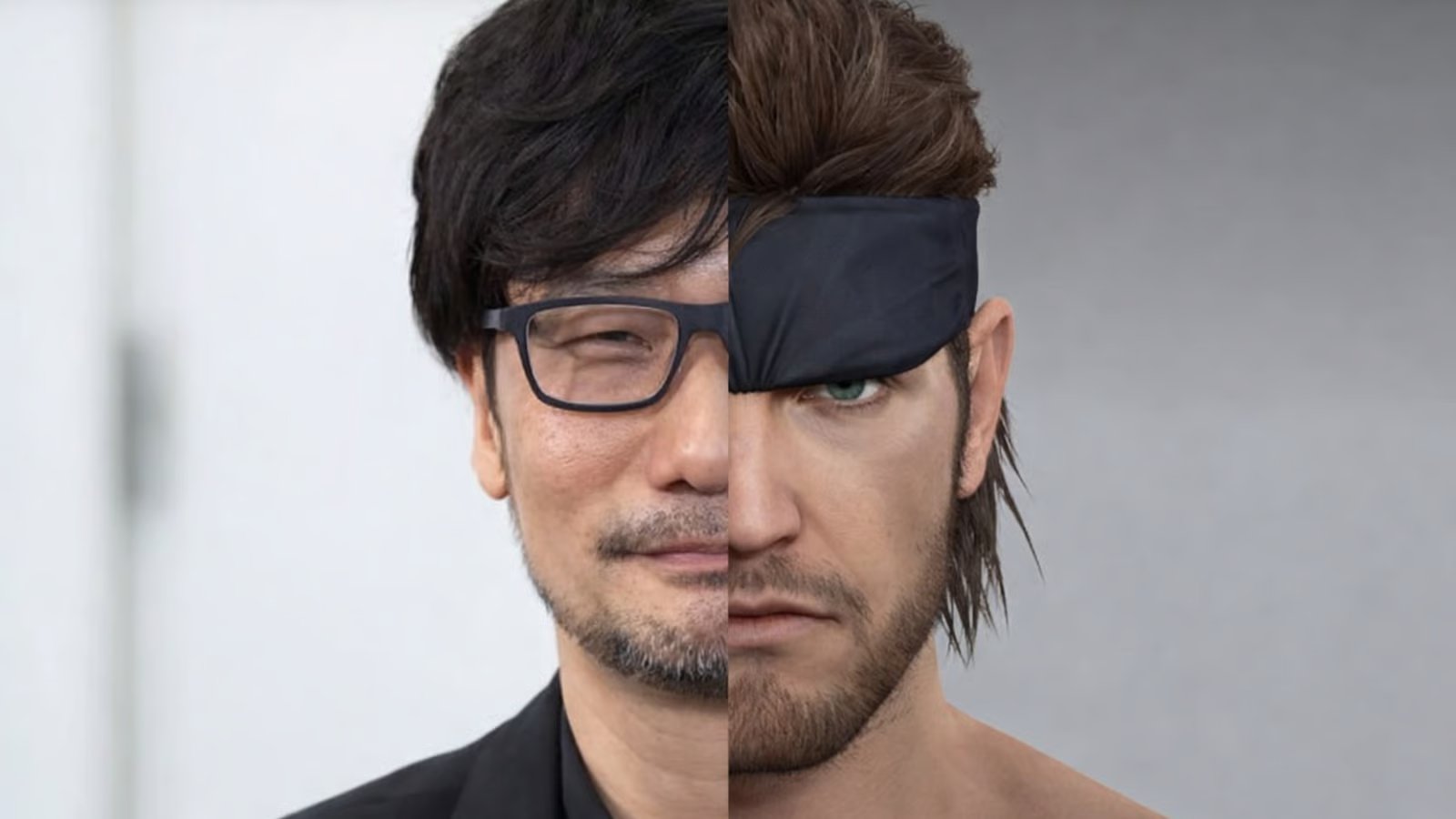
Hideo Kojima has reflected on Metal Gear Solid 2’s reputation as a game that saw the modern internet coming, saying the sequel was never meant to be a story about AI but a warning about the digital world that would follow.
The Death Stranding creator shared the comments in WIRED’s Tech Support video series, where he answered fan questions about his work and the ideas behind some of his most famous games.
WIRED
Metal Gear Solid 2: Sons of Liberty first launched in 2001, and its themes around information, control, and online culture have been debated for years as social media became a daily reality.
Kojima explains what Metal Gear Solid 2 was really about
Responding to a question about whether he “predicted” today’s era of digital control, Kojima pushed back on the common framing of MGS2 as an AI story. Instead, he described it as a game about digital society and what happens when culture and communication move from analog to digital.
Kojima contrasted the sequel with Metal Gear Solid 1, which he described as a story about DNA, and said MGS2 was driven by the idea of “memes” as the things that do not remain in DNA.
From there, he pointed to the implications of a world where information no longer fades, even down to trivial things like graffiti, because it can be preserved indefinitely.
He also said the game was built around imagining what would happen once networks made it possible for people everywhere to connect and exchange opinions directly, and how that would reshape everyday life.
While MGS2 is often brought up in discussions about AI, Kojima’s point was that it was more about digital data taking on a kind of momentum of its own, rather than a literal AI “with a will.”
Looking back more than two decades later, Kojima added that the future he explored in MGS2 now feels more real than he hoped, and stressed that it was not a direction he wanted society to move toward.