
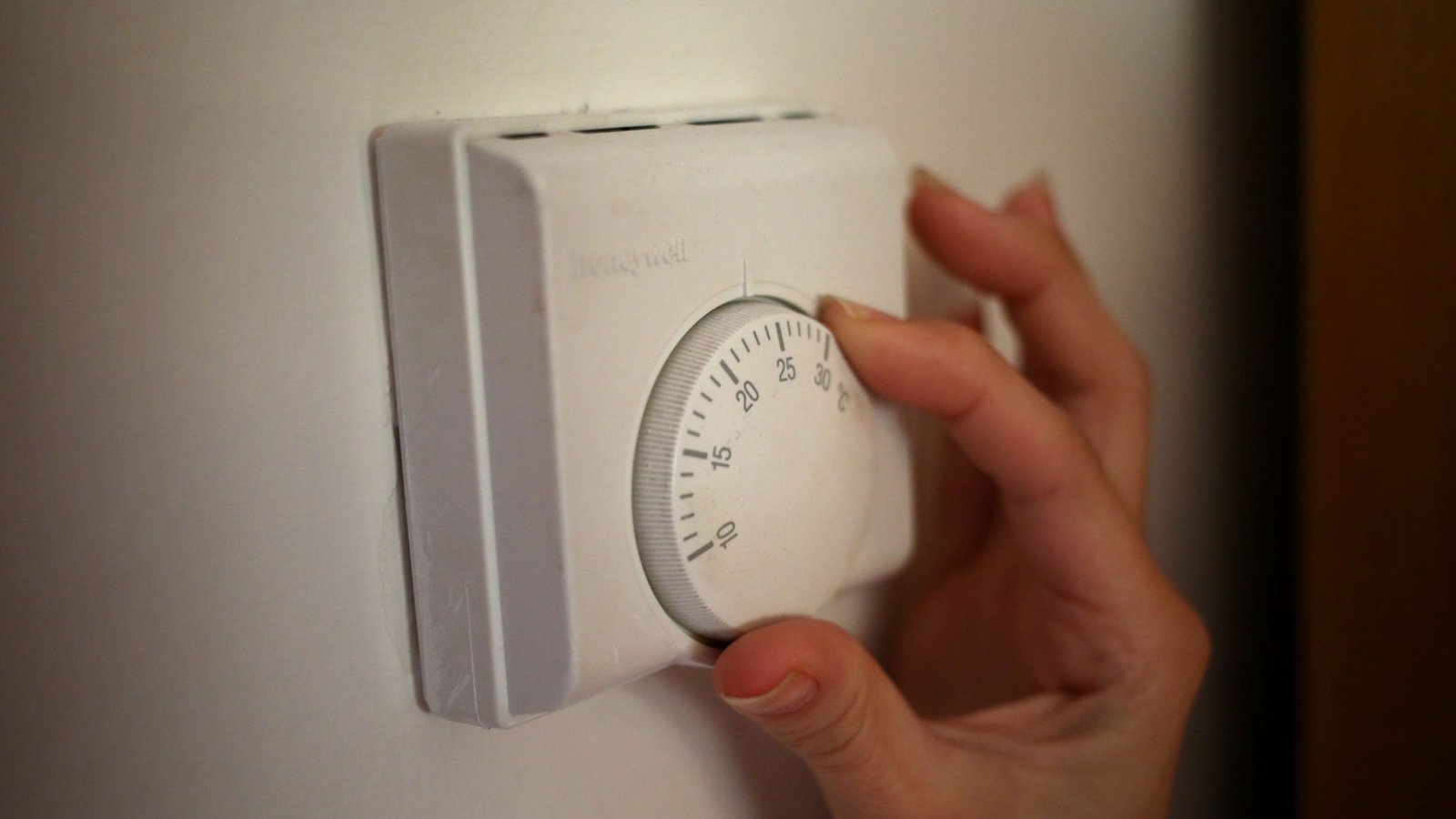
MILLIONS of households’ energy bills are to rise today, just as a swathe of cold health alerts have been issued for large areas of the UK.
The 0.2% increase to Ofgem’s energy price cap will equate to a rise of about 28p a month for the average household in England, Wales and Scotland remaining on a standard variable tariff.

This amounts to an average overall bill of £1,758 a year, up from the current £1,755.
But experts at Cornwall Insight said they expect energy bills to fall by £138, or 8%, to £1,620 a year when the cap is next updated in April thanks to Government measures announced in the recent budget.
Chancellor Rachel Reeves said £150 would be cut from the average household bill from April by scrapping the Energy Company Obligation (Eco) scheme introduced by the Tories in government.
Wholesale energy prices have also dropped in recent weeks, which is set to keep a lid on energy price hikes from April, according to Cornwall Insight.


Regulator Ofgem said today’s increase in the cap, which was announced in November, was being driven by the funding of nuclear power projects and discounts to some households’ winter bills.
This included funding the Government’s Sizewell C nuclear power plant in Suffolk – with an average of £1 added to each household’s energy bills per month for the duration of the £38 billion construction.
An increase to standing charges – the amount consumers pay per day to have energy supplied to their homes – was also largely due to costs linked to the Government’s Warm Home Discount scheme.
Around 2.7million more low-income households, including 900,000 families with children, are eligible for the £150 discount this winter.
However, the regulator said the new price cap was £37 lower than a year ago when adjusted for inflation.
Ofgem’s price cap sets a maximum rate per unit and standing charge that customers can be billed when they are not on a fixed tariff.
It does not limit total bills because households still pay for the amount of energy they consume.
The price cap increase comes just as a yellow warning for snow and ice has been issued for parts of Scotland north of the central belt from 6am on New Year’s Day until midnight on January 2.
Meanwhile, amber cold health alerts have been issued for the North East and North West of England, which are due to remain in place until noon on January 5, with temperatures expected to fall to 3-5C.
Yellow cold health alerts have been issued by the UK Health Security Agency (UKHSA) for London and the East, South East and South West of England, as well as the East and West Midlands and Yorkshire and the Humber.
Four ways YOU can get support
If you are worried about rising bills, know there is support available. This includes grants and vouchers to help cover the cost of your bills.
We have listed support available below.
Household Support Fund
You can check if your local council is giving away free vouchers or grants to help with your energy bills via the Household Support Scheme.
Each council in England has been allocated a share of the £742million fund and can distribute it to residents in need.
Eligibility criteria varies based on where you live but usually help is offered to those on benefits or a low income.
But you could be in line for £100s depending on where you live.
For example, pensioners in Islington, London can get £200 one-off payments to help with rising bills this winter.
British Gas Energy Trust – £2,000
You could also get up to £2,000 in debt relief through the British Gas Energy Trust.
The fund is available to existing British Gas customers who are experiencing energy debt or at risk of fuel poverty.
But you will need to have an energy debt between £50-£2,000 on a pre-payment meter or £250-£2,000 on a credit account.
Cold Weather Payments – £25
Cold Weather Payments is a also a type of support set up by the DWP to help with energy costs.
But temperatures must hit zero degrees Celsius or below over seven consecutive days for the sum to be paid out.
To be eligible for the support you must be claiming certain benefits such as Universal Credit, Pension Credit and Support for Mortgage Interest.
You do not need to apply for the scheme as the money will be paid into anyone who qualifies account within 14 days.
If you meet the requirements, you will receive £25 for each seven day period of incredibly cold weather.
Warm home discount – £150
This is a benefit given by the Department of Work and Pensions (DWP) worth £150.
You don’t get the money paid into your account; instead, your supplier deducts the sum from your bill.
To get the support you need to be on a low-income or claiming certain benefits, such as Universal Credit.
Eligible customers on pre-payment meters who use a key or card to top up will also need to ensure that their household’s account is registered in their name.
The payment is payment is applied to your electricity bill between October and March each year.