
The News
California’s biggest electric utilities pulled off a record-breaking test of cutting-edge grid technology that should make powering the data center boom and avoiding heatwave blackouts cheaper, easier, and greener. The groundbreaking test, carried out with Tesla and the top US rooftop solar installer, will help keep the state’s clean energy momentum going despite the Trump administration’s crackdown on renewables.
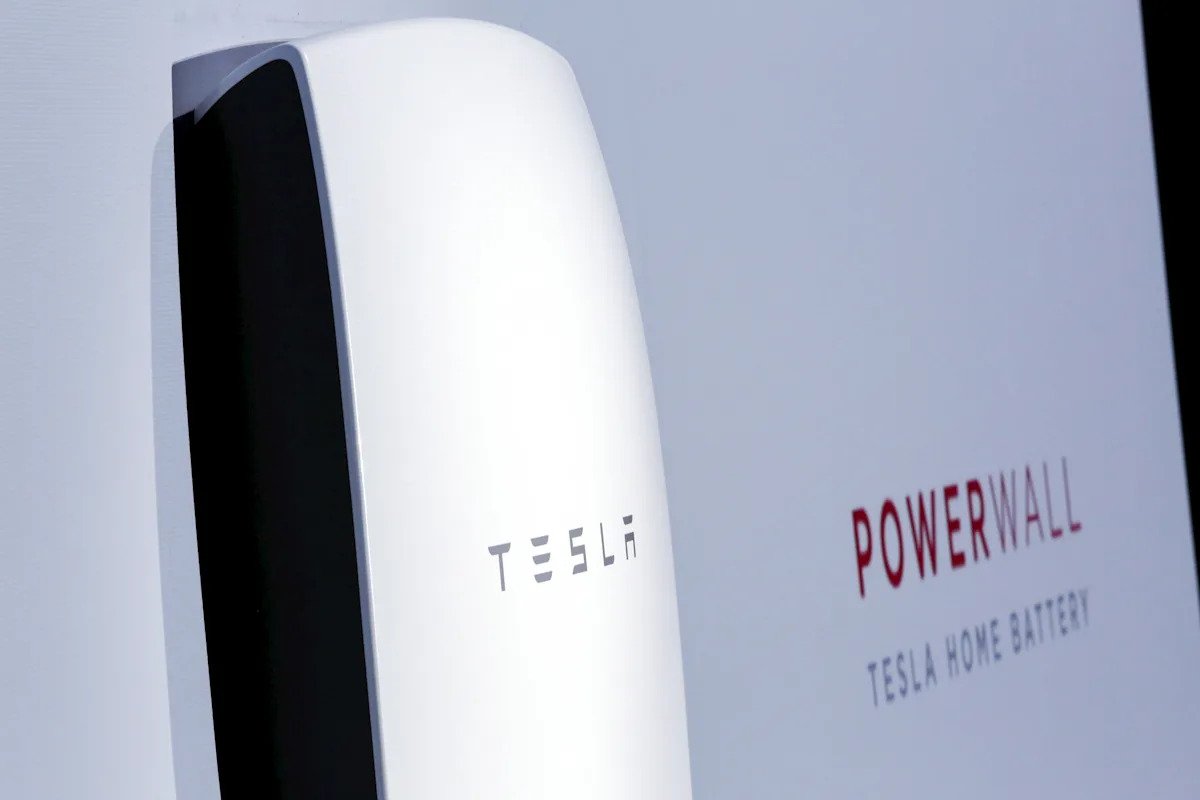
On a hot Tuesday last week, during the 7pm-9pm window that is typically its time of peak demand as people come home from work and turn on appliances, Pacific Gas & Electric and other top California power companies switched on residential batteries in more than 100,000 homes and drew power from them into the broader statewide grid. The purpose of the test — the largest ever in the state, which has by far the most home battery capacity in the US — was to see just how much power is really there for the utility to tap, and to ensure it could be switched on, effectively running the grid in reverse, without causing a crash. The result, which the research firm Brattle published this week, was 535 megawatts, equal to adding a big hydro dam or a half-sized nuclear reactor at a fraction of the cost.
“Four years ago this capacity didn’t even exist,” Kendrick Li, PG&E’s director of clean energy programs, told Semafor. “Now it’s a really attractive option for us. It would be silly not to harness what our customers have installed.”
Tim’s view
So-called “virtual power plants” — networks of customer-owned assets that utilities can control as an alternative to building new traditional power plants — are the solution to a lot of the biggest problems facing the US power system.
Every home battery, smart thermostat, or plugged-in electric car offers a chance for utilities to either draw more electrons into the grid, or shave down peak demand. VPPs are becoming especially important as data centers, heat waves, and other factors drive demand up while costs, supply chains, and bureaucracy remain major impediments to quickly building new power infrastructure. And, as the federal government wipes out tax credits and other support for renewables, VPPs offer a way for residential solar-plus-storage systems to remain economically attractive for homeowners — who get paid for the withdrawn power — and technically viable for utilities. At the same time, to the extent that federal policy changes make the construction of additional renewable projects more difficult, VPPs are a way to make better use of clean energy resources that have already been built.
Last week’s test proved that in times of peak demand, PG&E can lean on its customers’ batteries rather than turn on a gas-fired peaker plant or risk a blackout, Li said. VPPs also facilitate the addition of more solar energy on the grid: At the moment, California has so much solar generation at peak hours that it can push the wholesale power price close to or even below zero, a headache for grid managers and a disincentive for renewable project developers. The careful manipulation of networked residential batteries smooths out the timing disparity between peak sunshine at midday and peak demand in the evening, allowing the excess to be soaked up and redeployed when it’s actually needed, and making power cheaper for everyone.
The expanded use of VPPs shouldn’t be noticeable to battery owners, Li said, except for the money back on their power bill; nothing about the process prevents them from running their AC or dishwasher while their battery is being tapped. The network can also run in reverse, with the utility taking excess power from the grid at times of low demand and sending it into home batteries for storage.
California could easily reach over a gigawatt of VPP capacity within five years, Li said. Nationwide, a Department of Energy study during the Biden administration forecast that VPP capacity could reach up to 160 gigawatts by 2030, essentially negating the need for dozens of new fossil fuel power plants, with no emissions and at a far lower cost. In 2024, utilities in 34 states moved to initiate or expand VPP networks, according to the advocacy group VP3.
The biggest problem VPPs face is the complicated paperwork that customers sometimes need to complete for their utilities or battery providers in order to participate, said Ben Brown, CEO of the VPP management firm Renew Home: “There are more barriers in enrollment than there needs to be in a lot of markets.”
Room for Disagreement
Joining a VPP program means homeowners give up a degree of control over their battery, and runs a small risk of draining the battery just ahead of a blackout when it’s most needed. And VPPs can’t solve the growing US power deficit on their own. Even in the most optimistic scenario for VPP adoption the US will still need hundreds of gigawatts of new power generation capacity in the next two decades. Renewables are still the cheapest and fastest form of new capacity to build, and the Trump administration is making it harder to build them; an analysis this week by the advocacy group American Clean Power Association found that even the administration’s actions that ostensibly only limit renewable energy project development on federal land will snarl projects on all types of property across the country.