Close Menu
Invest Intellect
    Facebook X (Twitter) Instagram
    Invest Intellect
    Facebook X (Twitter) Instagram Pinterest
    • Home
    • Commodities
    • Cryptocurrency
    • Fintech
    • Investments
    • Precious Metal
    • Property
    • Stock Market
    Invest Intellect
    Home»Commodities»5 Ways Agricultural Robots Are Changing Modern Farming
    Commodities

    5 Ways Agricultural Robots Are Changing Modern Farming

    April 15, 20255 Mins Read


    Technological advancements are constantly changing sectors of the economy, and agriculture is no different. While innovations like the Haber-Bosch process and the cotton gin forever changed the process of growing and harvesting crops, the modern era continues to bring new breakthroughs.

    Although robots aren’t present in every farm field, they’re increasing in presence and implementing new technologies. Here are a few ways you can expect agricultural robots to alter the farming landscape in the years ahead.

    More Precise Nutrient Applications
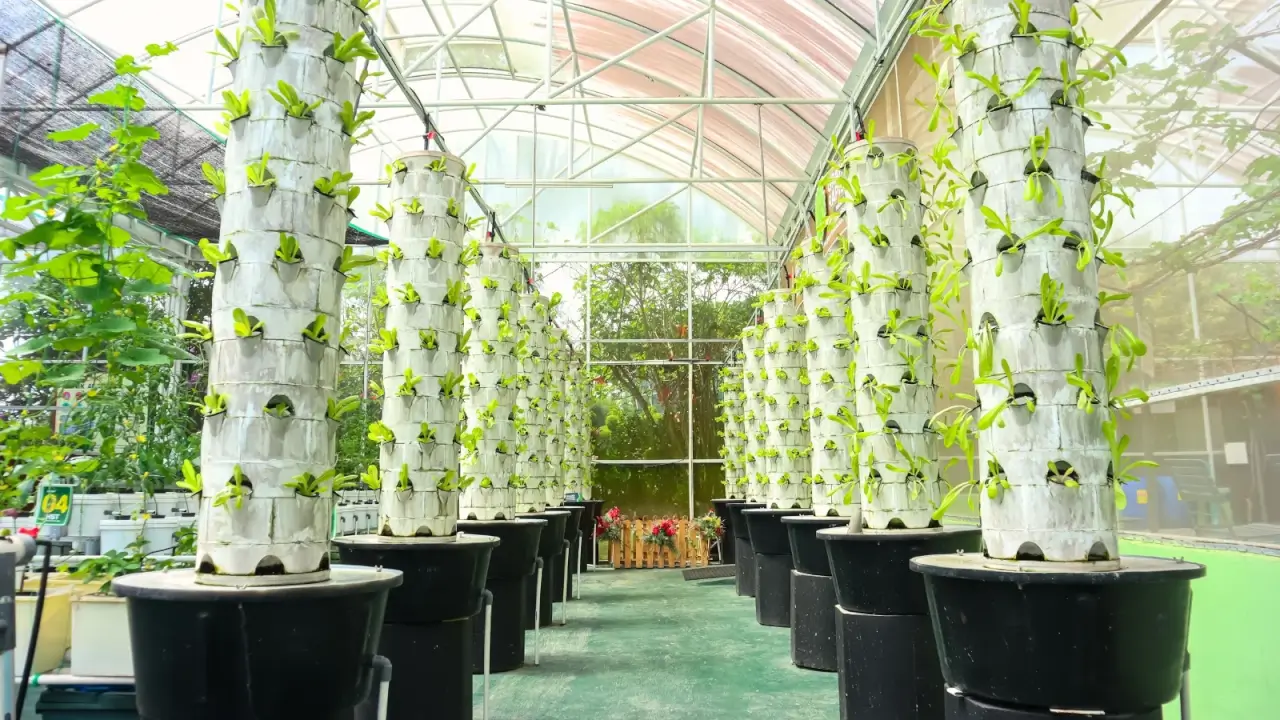
    Growing young green lettuce in vertical hydroponic towers with automatic nutrient dosing system in a large greenhouse.Growing young green lettuce in vertical hydroponic towers with automatic nutrient dosing system in a large greenhouse.

    Technology helps ensure plants get precise amounts of needed nutrients.

    When farmers apply fertilizer, they often use data to drive their decisions. Soil tests and crop nutrient needs can determine how much of each nutrient to apply to the soil. However, collecting this data and applying the inputs are typically two different actions.

    Robots may change that. Automated nutrient dosing systems already exist in hydroponic operations. These systems use technology to monitor the pH and electronic conductivity (EC) of the nutrient solution, then use this data to apply the correct amount of nutrients. While humans have to set the dosing rates based on the crop, these systems remove the need for humans to manually test the solution and add fertilizer.

    While nutrient runoff isn’t a big problem in hydroponic systems, it can be outdoors. Overapplying fertilizer not only wastes money, it harms the environment as the excess nutrients run off into waterways. Precision fertilization application can help limit excess nutrients.

    Agricultural robots can help with nutrient application in multiple ways. Some robots have sensors and cameras that allow them to quickly scan a field and detect nutrient deficiencies in certain areas. They can also use sensors to determine the soil moisture, pH, and available nutrients. Others can use this data to apply the precise amount of nutrients to the crops that need them.

    Reduced Need for Human Labor

    Smart robotic farmer harvest ripe tomatoes fruits in a greenhouse, a white tentacle-like device of white color with a camera and sensors holds a ripe oval bright red fruit.Smart robotic farmer harvest ripe tomatoes fruits in a greenhouse, a white tentacle-like device of white color with a camera and sensors holds a ripe oval bright red fruit.

    Harvesting becomes easier as machines gently pick ripe fruits.

    Even with advances in technology, many agricultural practices are still completed by humans. Harvesting, trellising, weeding, and planting are a few tasks that farm workers often complete.

    It’s possible that agricultural robots will eliminate the need for some of this labor. Multiple companies are designing robots that use lasers to kill weeds. These machines self-drive through fields and decipher weeds from the planted crops. They then use lasers to zap the small weeds, killing them without disturbing the soil or using herbicides.

    Other companies are working on producing agricultural robots that can take over some of the work of harvesting. This is a complex task since crops like fruits and flowers must be harvested at a particular growth stage or color. Plus, these crops are fragile and easily damaged during the harvesting process.

    Some robots are able to detect the color of fruits, select ripe ones, and gently pluck them from the plant. This could lessen the need for human labor in a field that currently heavily relies on it.

    Less Time in the Tractor

    An autonomous red tractor moves across a wheat field, with large wheels and a sleek design, under blue clear skies.An autonomous red tractor moves across a wheat field, with large wheels and a sleek design, under blue clear skies.

    These advanced tractors perform work while farmers focus on communication.

    Thanks to GPS-driven technology, autonomous tractors are becoming more common in large-scale operations. These devices can drive their way around fields without a human at the wheel, making the correct turns and completing actions like planting, cultivating, and harvesting.

    These technologies will limit the amount of time that farmers spend in tractors, allowing them to allot their time to tasks like communicating with customers and spending time with their families.

    Of course, these tractors come with a hefty price tag, so they’re not accessible to all growers. Small and mid-size growers will likely still rely on human-driven tractors unless these technologies become more affordable.

    Precision Pest Control

    A yellow agricultural robot with a camera and various sensors inspecting pathogens and pests on a bed of growing strawberries.A yellow agricultural robot with a camera and various sensors inspecting pathogens and pests on a bed of growing strawberries.

    Scouting fields becomes easier with automated pest detection systems.

    Scouting fields for pests can be a time-consuming task, especially when you’re working with large acreage or multiple types of crops. Currently, many farmers rely on scouting and the economic threshold to determine whether or not it makes sense to apply pest control measures. However, that might change with the help of robots.

    Some agricultural robots are able to scout fields and apply pesticides or beneficial predators at the exact locations where pests occur. This limits the need for large applications, saving farmers money and removing unnecessary pesticide applications. This can also mean healthier crops and better harvests.

    Decreased Water Use

    A white agricultural robot waters growing lettuce crops with wavy, bright green leaf rosettes in a large greenhouse.A white agricultural robot waters growing lettuce crops with wavy, bright green leaf rosettes in a large greenhouse.

    Automated systems water only where needed, conserving precious resources.

    Just like there are robots that can monitor soil pH and the presence of pests, there are also machines that can detect soil moisture levels. When you combine this moisture data with irrigation systems, agricultural robots are able to apply water to the plants that need it at the correct time.

    Rather than watering a whole field or block of plants, precision irrigation systems can water a few hundred strawberry plants or a single row of orange trees. This limits water use while allowing plants to remain healthy.

    These irrigation robots may particularly impact areas facing water shortages. If growers can get away with using less water, they may be able to continue to grow crops in areas where water scarcity is a major concern. Whether or not it’s ethical to continue large-scale, water-intensive agriculture in these areas is another question.

    full_link

    Futuristic Farming Has Arrived with Weeding Robots


    Source link

    Share. Facebook Twitter Pinterest LinkedIn Tumblr Email

    Related Posts

    Last Energy funded for PWR-5 pilot

    Commodities

    Suzlon Energy shares: First annual loss in six years, order book at record high; what lies ahead?

    Commodities

    ’30cm’ rule could lower your energy bills and it costs nothing

    Commodities

    Businesses say Britain’s ‘jam tomorrow’ energy plans threaten their survival

    Commodities

    Bloom Energy vs. Plug Power: Which One Will Dominate the Next Decade?

    Commodities

    Agricultural Technology Creates Bumper Harvests

    Commodities
    Leave A Reply Cancel Reply

    Top Picks
    Stock Market

    Wall Street braces for Monday meltdown that could ‘knock the wheels off’ the stock market

    Cryptocurrency

    Next Cryptocurrency to Explode, 6 June — Sui, Kaito, Fartcoin, OKB

    Property

    Inland Real Estate Income Trust, Inc. annonce ses résultats pour l’exercice clos le 31 décembre 2024 -Le 05 mars 2025 à 22:13

    Editors Picks

    Iran imports basic commodities worth USD6.3B in 5 months

    August 28, 2024

    AI technology targets traffic safety, aims to reduce 40,000 annual U.S. roadway deaths

    September 6, 2025

    Agricultural payments reach €138.7m in 2025

    December 19, 2025

    Sovereign Gold Bonds deliver up to 325% returns — Find out how much tax you will pay – Money News

    October 31, 2025
    What's Hot

    Smart Investor: Top-Performing Dividend Stocks, Are Mega-Sized Stocks a Buy and What to Expect from the Fed

    December 6, 2025

    Our dream retirement turned into a nightmare: British expats Christine and Eric Thompson were lured to Bulgaria by a slower pace of life and cheap cost of living….now they are desperate to leave

    October 14, 2025

    Digital Currency: Make an Investment to Grow Your Wealth

    July 22, 2024
    Our Picks

    Stock market today: Trade setup for Nifty 50, Trump tariffs to SCO Summit 2025; 8 stocks to buy or sell on Monday

    August 31, 2025

    Trump allies draft AI order to launch ‘Manhattan Projects’ for defense

    July 17, 2024

    Twisted Metal’s Mike Mitchell Talks Season 2, Stunts in the Wasteland, and More

    August 22, 2025
    Weekly Top

    Suzlon Energy shares: First annual loss in six years, order book at record high; what lies ahead?

    January 7, 2026

    What happens to your retirement accounts in bankruptcy?

    January 7, 2026

    Netherlands Commercial Real Estate 2026 in The Netherlands

    January 7, 2026
    Editor's Pick

    South African banks are too slow in embracing digital currencies

    October 14, 2024

    Getting Educated on a Clean Energy Future – Center on Global Energy Policy at Columbia University SIPA

    August 13, 2024

    The key to unlocking financial inclusion in South Africa – BusinessTech

    September 9, 2025
    © 2026 Invest Intellect
    • Contact us
    • Privacy Policy
    • Terms and Conditions

    Type above and press Enter to search. Press Esc to cancel.