
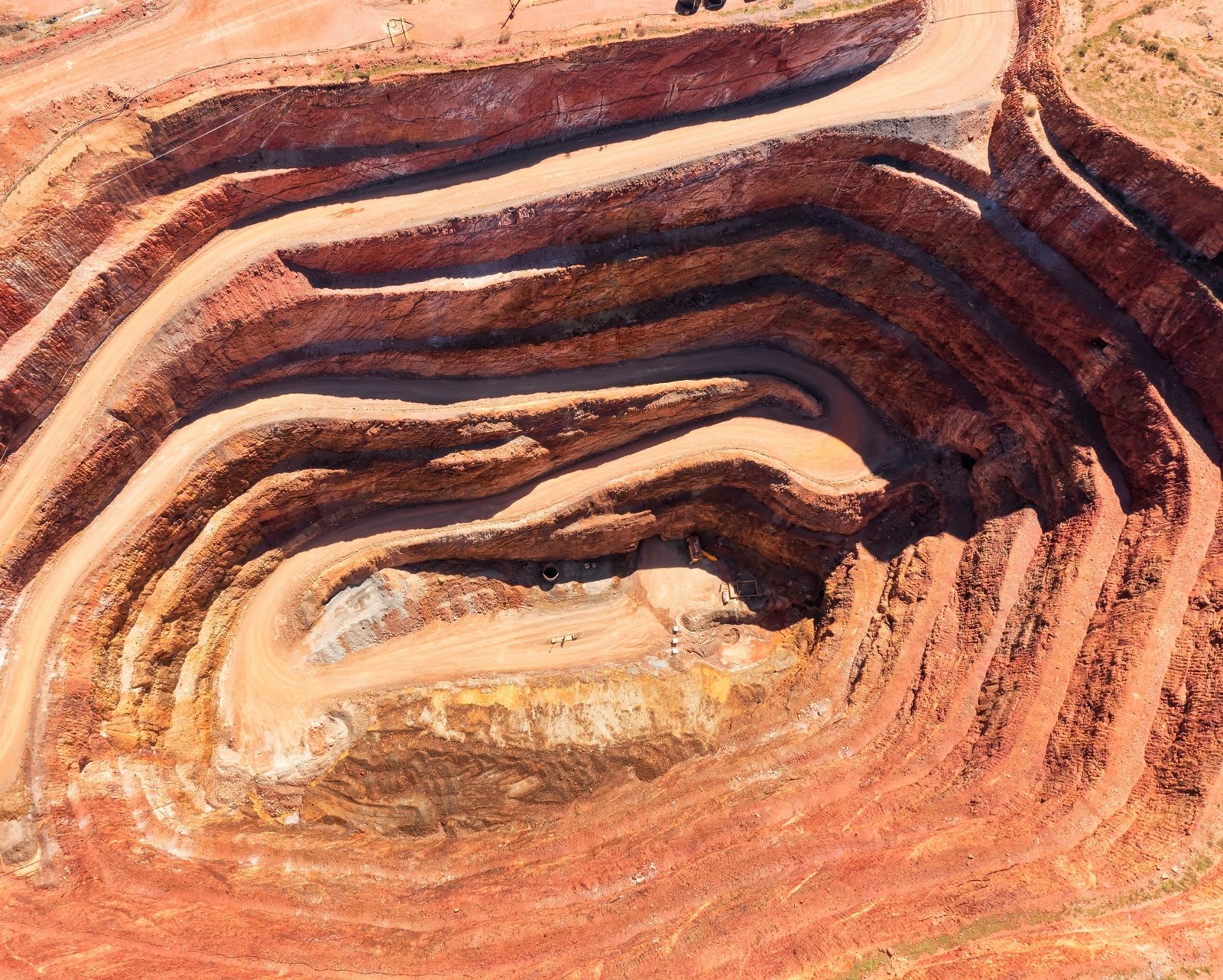
Copper quietly supports almost everything people use each day, from the wires inside homes to the charging systems for electric cars.
As countries build more cities, expand electricity networks, and invest in clean energy, the need for copper continues to grow at a fast pace. But a new study from the University of Michigan (U-M) suggests we are heading toward a major problem.

If we want to keep building modern technology and save the planet with green energy, the price of copper might need to double very soon.
Copper powers daily life
Copper is not just any metal; it is the backbone of modern life. A research team led by U-M geologist Adam Simon recently looked into how much copper the world actually needs.
They found that copper acts like the “connective artery” for everything we care about, from high-speed internet to the power grid.
“Copper is the fundamental linchpin for socioeconomic development, acting as the connective artery for infrastructure, digital intelligence, and electricity generation, transmission and storage. Without substantially increasing copper supply, global development will not happen,” noted Simon.
Rising demand for copper
Right now, the world mines about 23 million tons of copper a year. If we just keep living the way we do now, we will need 37 million tons per year by 2050.
However, if we want to switch entirely to electric vehicles and 100% renewable energy, that number sky-rockets to a staggering 91.7 million tons. That is a massive gap to fill.
New mines cost too much
You might wonder why we don’t just dig more holes and find more copper.
The answer comes down to money and time. The University of Michigan researchers found that building a new mine is incredibly expensive.
For example, a mine in Mongolia costs about $18,916 for every ton of copper it produces annually. In the United States, that price jumps to $29,614 per ton.
Copper prices must increase
Currently, copper sells for about $13,000 per ton. If it costs more to get the metal out of the ground than what a company can sell it for, no one will build new mines.
This is why the research team argues that the price needs to double. Higher prices give mining companies a reason to take the risk of starting new projects.
“A near certainty is that copper price must rise substantially if mining rates are to meet as-usual expectations – even from their highs currently,” said Simon.
Recycling and alternatives fall short
The research team also looked for other ways to get copper without just opening new mines. Recycling is a great start, and experts project it could provide about 13.4 million tons by 2050.
We can also get copper by processing “low-grade” rocks or leftover materials from old mines.
Some industries might even try using aluminum or plastic instead of copper, but these materials often come with a hidden cost: they can create more pollution during manufacturing.
Future supply may not meet demand
Even with recycling and better technology, we still won’t have enough.
This is especially true when we consider that billions of people in developing countries are still waiting for basic things like reliable electricity and plumbing.
In the United States, there is about 441 pounds of copper installed for every person. In places like India or countries across Africa, that number is less than one single pound per person.
To give everyone a fair standard of living, the world requires an enormous amount of new metal.
World running out of time
The problem isn’t that Earth is empty of copper. The real issue is how fast we can get it.
The University of Michigan study argues that governments need to make the “permitting process” (the legal paperwork required to start a mine) much faster and simpler.
Currently, it takes years or even decades to get approval for a new mine.
Copper drives clean energy goals
“Policies that would encourage mining, include streamlining and simplifying the permitting processes, improving global market transparency, liquidity, governance, price discovery, and guaranteed off-take agreements to make capital-intensive, long-term mining projects economically viable,” said Simon.
Essentially, the world needs to make mining a priority if we want to reach our climate goals.
“The world is not running out of copper; it is running out of time to produce it. Getting it out of the ground fast enough to meet rapidly growing demand will require immense political prioritization and broad public support for mining,” concluded Simon.
The study is published in the journal Energy Research & Social Science.
—–
Like what you read? Subscribe to our newsletter for engaging articles, exclusive content, and the latest updates.
Check us out on EarthSnap, a free app brought to you by Eric Ralls and Earth.com.
—–