
Table of Contents
Show more
Show less
Capital at risk. The value of your investments can go up and down, and you may get back less than you invest.
It’s been a tough few months for investors. The US technology growth stocks were first to run out of steam, followed by a wider stock market downturn and crash in cryptocurrency prices.
However, the commodities sector has bucked the trend by achieving a positive return over the past year, helped by record oil and gas prices.
So, why are investors buying commodities? Well, they provide an opportunity to diversify across different assets and have typically delivered higher returns than shares in times of stock market volatility.
And with inflation at its highest level in 40 years, commodities also offer the potential for investors to achieve a ‘real’ – above-inflation – return on their assets.
However, the wide range of commodities and products available may seem overwhelming for investors, so here’s what you need to know if you’re considering trading in commodities.
Remember: Investing in commodities is speculative and returns are not guaranteed. Your capital is at risk and you may not get back the money you invest.
Featured Partners
What are commodities?
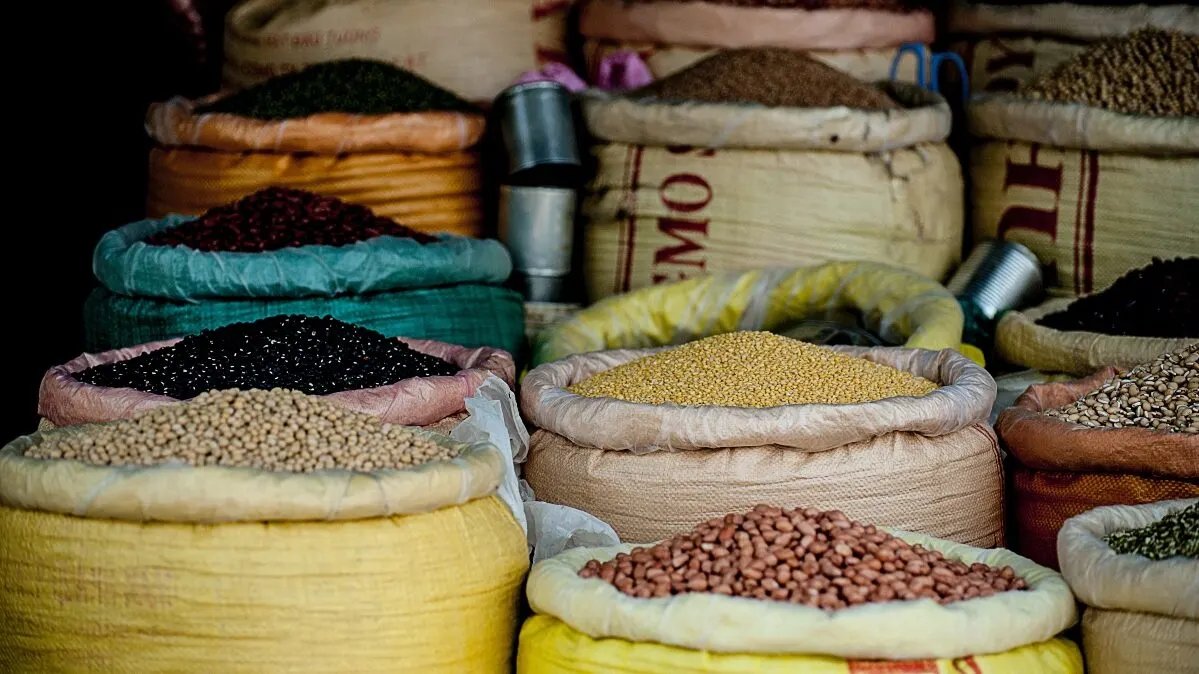
Commodities are natural resources or agricultural products that are mined, grown, reared or processed.
So-called ‘soft’ commodities are grown or reared, such as meat, coffee, wheat and cotton, while ‘hard’ commodities are mined or extracted, such as coal, ore, precious metals, oil and gas.
The price of commodities varies according to supply and demand. If demand increases, and/or supply decreases, the price of the commodity will rise.
For example, the growth in demand for electric cars has led to the price of lithium (a key component in batteries) increasing by over 400% in the last year, according to Trading Economics.
Likewise, the price of oil and gas has rocketed due to a reduction in supply from Russia’s invasion of Ukraine and operational issues in Norway and Libya. Combined with a resurgence in post-pandemic demand, wholesale UK gas prices have increased by over 270% in the past year.
What is commodity trading?
As with shares, commodities are bought and sold on exchanges, such as the Chicago Mercantile Exchange (CME), New York Mercantile Exchange (NYMEX) and London Metal Exchange (LME).
There’s a wide range of commodities traded, including agricultural products, oil and gas, industrial and precious metals and timber. Commodities of the same quality or grade are described as ‘fungible’, meaning that they can be priced based on a standardised quality and quantity.
While it’s possible to trade in physical commodities, it’s far more common to trade in financial contracts based on commodity prices, known as derivatives. The most common type is futures contracts, but investors can also trade via commodity spot prices and options.
Commodity traders bet on the future value of a particular commodity. If they believe the price will rise, they’ll buy certain futures, known as ‘going long’, or if they think the price will fall, they’ll sell some futures, or ‘go short’.
How can you trade in commodities?
The most popular way to trade in commodities is through futures contracts, which are an obligation to buy or sell a commodity at a set price on a set date in the future. Trading in commodities, and futures in particular, is typically a shorter-term investment than investing in shares.
Commodity futures are described by the month in which they expire, meaning that a contract ending in November is called a November futures contract.
Futures contracts are used by buyers and sellers to ‘lock in’ the price of a commodity now, for delivery in the future.
If an airline company believes fuel prices will rise, it could mitigate or ‘hedge’ this risk by buying a futures contract in oil. If the price of oil rises, the buyer benefits from a lower price than they would have paid for oil in the ‘spot’ market at that date.
However, financial investors also use futures contracts to speculate on commodity prices. Some commodities have a high level of price volatility, in other words, their price can fluctuate significantly over a short period. This creates the opportunity for large profits (or losses).
Here’s an example of how they work – an investor buys a futures contract for 100 Troy ounces of gold at a price of £1,400 per ounce, at a total value of £140,000.
If the spot price of gold is £1,410 per ounce at the expiry date, the investor has made a £10 gain per ounce, or a net profit of £1,000. At this point, the investor would close out their position and receive the net difference in cash.
However, if the spot price of gold were to fall to £1,380 per ounce, the investor would make a net loss of £2,000, although they could close their position early to try to reduce their loss.
If you are looking to trade in futures, you will need to set up an account with a trading platform that offers commodities trading. Due to the number of exchanges, commodities can be traded almost 24 hours a day.
Another option for trading commodities is to buy and hold the commodity in physical form. This may be an option if you are looking to buy gold, or other precious metals, but is not practical for most commodities.
Gold price in the UK
What is leveraged commodity trading?
The use of leverage is more common when trading in commodities rather than shares.
Leverage trading is a high risk proposition that exposes the trader to the risk of high losses and is not recommended for non-professional investors.
Leverage, or margin trading, allows investors to fund only a percentage of the value of the contract.
In the example above, you might only be required to deposit 10%, or £14,000, of the full £140,000 of the gold futures contract. However, you will be required to keep a minimum balance based on the predicted value of your trade.
If the price moves against your position, this would prompt a ‘margin call’ whereby you would be asked to deposit additional funds to cover the agreed margin.
Trading on margin can be tempting due to the potential for higher profits. However, the reverse is true and your potential for losses is also increased.
How can you trade indirectly in commodities?
There are several ways to invest in commodities, without trading directly in the underlying asset itself:
- Exchange-traded products: exchange-traded funds (ETFs) and exchange-traded commodities (ETCs) are a low-cost way of investing in commodities. ETFs typically track the performance of an index, while ETCs track commodity prices.
- Collective investments: commodity funds and investment trusts invest a portfolio of companies who produce or mine commodities including agriculture, precious metals and energy.
- Shares in commodity-based companies: companies that produce, mine or process commodities benefit from rising commodity prices as they are able to sell their products at a higher price.
Featured Partners
Should you invest in commodities?
Investing in commodities may offer investors a potential hedge against inflation, together with a means of diversifying their portfolio across different assets.
Commodities are also seen as a ‘safe haven’ in stock market downturns, which may lead to superior returns to share-based investments.
However, trading in commodities should only be considered by experienced investors due to the high price volatility and potential for significant losses.
Before making any trades, investors should research the underlying factors affecting the price of the commodity and be comfortable making short-term losses in their pursuit of long-term gains.
Due to the higher risk nature of commodity trading, it should only comprise a small proportion of investors’ portfolios. Investors should also consider diversifying their investments across commodity-based shares, funds and ETFs, as well as commodity futures.
Your investment can go down as well as up, and you may not get your money back. If you are unsure as to the best option for your individual circumstances, you should seek financial advice.