

Gold and silver mined in the Balkans played a far greater role in sustaining the Roman Empire than historians once believed, according to new archaeological research that reexamines evidence from southeastern Europe. The study finds that the Central Balkans were not a peripheral supplier of precious metals but one of the Roman Empire’s most important sources of silver and gold over several centuries.
Research focusing on two Roman provinces
The research was led by archaeologist Dragana Mladenović and published in Jahrbuch des Deutschen Archäologischen Instituts. It focuses on the Roman provinces of Dalmatia and Moesia Superior, which covered large parts of today’s western and central Balkans, including areas of modern Bosnia and Herzegovina, Serbia, and Kosovo. These provinces contained some of the richest mineral resources under Roman control.
For decades, historians focused mainly on mining regions such as Spain and Dacia. The Central Balkans, by contrast, received far less scholarly attention. Mladenović argues that this imbalance led to a serious underestimation of the region’s economic importance.
A major source of Roman silver
According to the study, the Central Balkans became the Roman Empire’s primary source of silver bullion from the second half of the second century until at least the early fourth century A.D. As silver production declined in other parts of the empire, Balkan mines grew increasingly vital to the imperial treasury.
This long period of sustained output suggests that the region played a central role in maintaining Roman finances during times of political and economic pressure.
A landscape shaped by precious metals
The geology of the Central Balkans made the region especially rich in gold and silver. Metals occurred both in river deposits and deep underground veins. In central Bosnia, gold was often recovered by washing river gravels. In eastern Serbia and Kosovo, silver and gold were commonly found together in lead-rich ores.
New research shows how mineral-rich rocks and river systems in the Balkans made the region a major source of Roman gold and silver for centuries.#gold #Roman pic.twitter.com/eOrOHPy0mc
— Tom Marvolo Riddle (@tom_riddle2025) December 15, 2025
Silver was particularly abundant. Some deposits ranked among the richest known in the Roman world. Researchers say these resources allowed mining to continue on a large scale for generations.
Archaeological remains show that Roman mining reshaped entire landscapes. Evidence includes water channels used for washing ore, slag heaps from smelting, grinding installations, and large cleared areas along riverbanks. These features point to organized, long-term operations rather than small or temporary activity.
Mining under Roman control
Historical sources indicate that Roman authorities moved quickly to secure mining areas after conquering the region in the first century A.D. Ancient writers already mention gold extraction in Dalmatia and nearby areas during the early imperial period.
Over time, the Roman state organized mining into controlled districts. Many of these fell under direct imperial authority. In some cases, local communities were likely required to work the mines as part of their obligations to Rome.
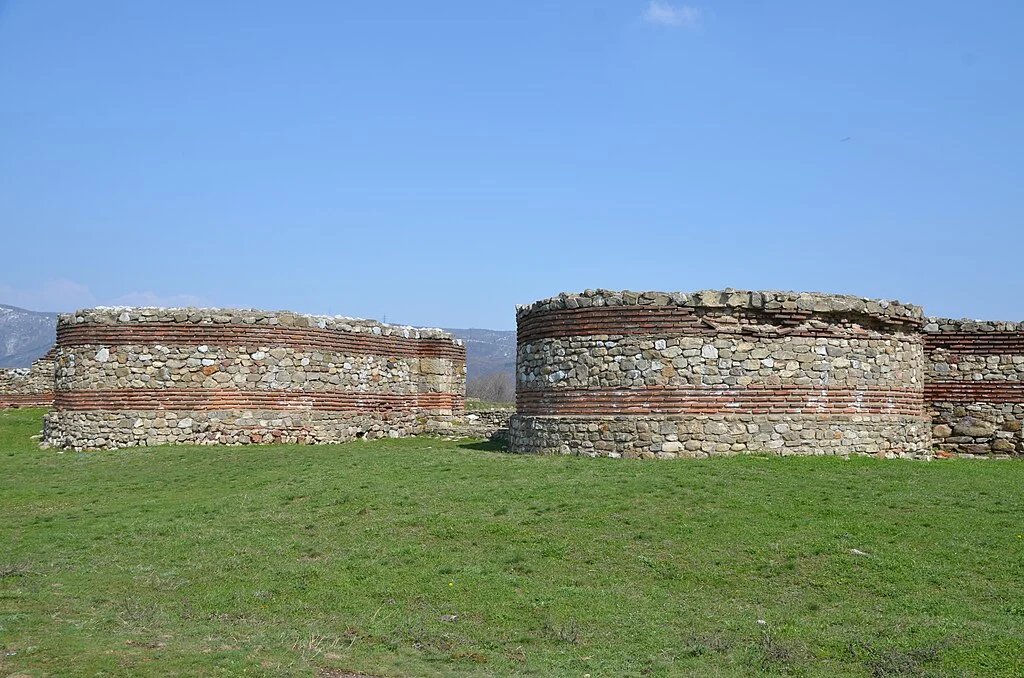
Mining areas were often tied to fortified settlements. These sites provided security and housed furnaces, workshops, and storage facilities. The close link between mining, administration, and military infrastructure highlights how strategically important precious metals were to Roman rule.
Fueling Roman coinage and state finances
Silver from the Central Balkans was not mined for local use alone. Researchers say it fed directly into the Roman state’s financial system. Silver bullion supported coin minting, military pay, and major public expenses across the empire.
This role became especially important in the later Roman period. After Rome abandoned the gold mines of Dacia in the late third century A.D., mining activity in the Balkans appears to have intensified. Skilled metallurgists may have moved into the region, bringing expertise with them.
The study suggests that Balkan silver helped stabilize Roman currency at a time when the empire faced inflation, unrest, and growing military demands.
Why the Balkans were long overlooked
Mladenović argues that the region’s importance was missed not because evidence was lacking, but because it was difficult to study. Many Roman mining areas were reused in medieval and modern times, destroying earlier remains. Rugged terrain and shifting political borders further limited systematic archaeological surveys.
In areas untouched by later mining, clearer traces survive. These sites offer rare insight into the scale of Roman operations. Even so, no major Balkan mining region has yet been fully surveyed.
Rethinking Rome’s economic foundations
By combining archaeological evidence with historical sources, the study challenges long-held assumptions about Roman resource supply. It places the Central Balkans at the heart of imperial gold and silver production during critical centuries of Roman history.
The findings suggest that Rome’s economic strength relied on a wider and more diverse network of regions than previously recognized. They also show how much of that story remains hidden beneath the Balkan landscape.