
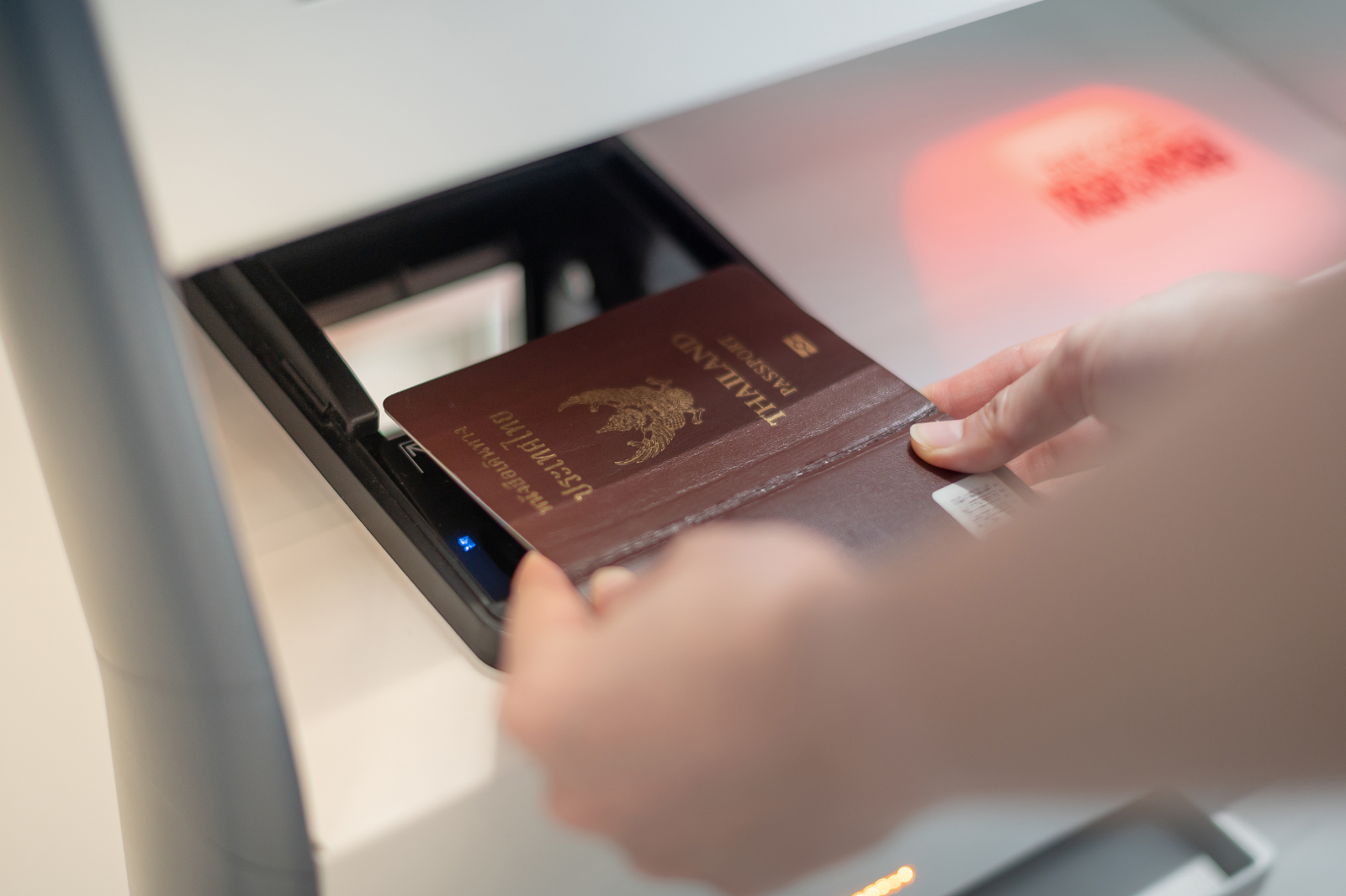
In today’s digital-first world, verifying identities quickly and securely is essential for governments, financial institutions, travel companies, and online services. Traditional methods such as visual ID checks or barcode scanning are no longer enough to prevent fraud, ensure compliance, and streamline user onboarding. Enter NFC verification, a powerful technology that leverages Near Field Communication (NFC) to securely read biometric and personal data stored in modern identity documents.
From passports to ID cards, NFC-enabled documents carry RFID chips with sensitive information that can be accessed in real time, providing unmatched accuracy and protection against forgery. This article explores how NFC identity verification works, why it’s trusted worldwide, and what benefits it brings to both businesses and end users.
What is NFC technology?
NFC, short for Near Field Communication, is a wireless data transfer method that allows two devices to exchange information when placed very close together, typically within a few centimeters. It is a subset of radio frequency (RFID) technology but designed for short-range, secure interactions.
Most people are already familiar with NFC through contactless payments or NFC tags embedded in product authentication labels. However, its role extends far beyond convenience; it has become one of the most reliable ways to verify identity through documents such as electronic passports, national ID cards, and driver’s licenses.
NFC-enabled devices, such as smartphones, can communicate directly with the RFID chip inside an ID document, unlocking secure personal details and biometric data. This makes NFC authentication highly relevant in industries that need both speed and strong fraud protection.
What are NFC chips and how do they work?
An NFC chip is a tiny semiconductor embedded in ID documents, cards, and sometimes NFC tags. These chips store encrypted data, such as:
- Personal details (name, date of birth, nationality)
- Document information (document number, expiration date)
- Biometric data (facial image, fingerprints, or iris scan)
When an NFC-enabled device initiates a connection, the chip transfers this information securely via background tag reading. The data exchange follows strict international standards, such as ICAO 9303 for ePassports, ensuring that sensitive identity information cannot be tampered with or intercepted.
This makes NFC tag authentication useful not only for verifying physical goods but also for confirming the authenticity of identity documents in real time.
For a detailed technical breakdown of NFC capabilities in identity verification, see Regula’s NFC identity verification technology.
What is NFC-based identity verification?
NFC-based identity verification is the process of using NFC technology to read the RFID chip inside an ID document and cross-check its data for authenticity. Instead of relying solely on the visual inspection of security features like holograms or watermarks, this method goes deeper by verifying the digital signatures and biometric data stored in the chip.
For example:
- In NFC passport verification, a smartphone or reader retrieves biometric data from the ePassport chip and compares it against the holder’s live selfie.
- In NFC ID verification, an ID card’s chip is scanned to ensure that the data matches both the printed information and the individual presenting it.
This approach significantly reduces the risk of identity fraud, including document forgery, photo substitution, and data manipulation.
How does NFC identity verification work?
The verification flow for NFC-based identity checks typically involves four steps:
- Document scanning – The user scans their ID document using an NFC-enabled device. Basic details (like name and photo) are captured from the MRZ or QR code.
- Chip access – The device connects to the NFC chip inside the document using radio frequency communication.
- Data extraction – Personal and biometric data stored in the chip is decrypted and securely transferred to the verification system.
- Data matching – The system compares the extracted data with the document’s visual elements and the user’s live biometrics (e.g., facial recognition with liveness detection).
This entire process happens in real time, often in less than a minute, providing a smooth user experience for customers onboarding while ensuring maximum security.
Why NFC technology for identity verification?
There are several reasons why NFC verification has become the gold standard for digital onboarding and document authentication:
- Security NFC: The encrypted communication between the device and the chip ensures protection against cloning or skimming attacks.
- Accuracy: Chip-based data is far harder to forge compared to printed elements.
- Compliance: Many regulations (such as eIDAS in Europe) mandate secure identity verification methods.
- Convenience: With NFC-enabled smartphones, users no longer need to visit physical branches for identity checks.
- Future readiness: As more identity documents include NFC capabilities, businesses can stay ahead by adopting NFC verification now.
Competitors like Inverid, Ondato, and HyperVerge highlight similar advantages, but Regula combines advanced document forensics with NFC, making the solution particularly robust.
What are the benefits of NFC verification for ID documents?
Using NFC technology in document verification delivers benefits for both businesses and end users:
For businesses
- Fraud prevention: By confirming chip authenticity, organisations can reduce risks of forged IDs, synthetic identities, and morphing attacks.
- Streamlined onboarding processes: Faster verification enables smooth digital account openings, eKYC, and customer onboarding.
- Scalability: NFC verification can be integrated into mobile apps, kiosks, or online platforms.
For users
- Improved trust: Customers feel safer when their identities are verified securely.
- Better user experience: Quick NFC-based checks replace lengthy manual procedures.
- Global travel convenience: NFC passport verification allows seamless border control and self-check-in at airports.
For governments and regulators
- Standardisation: NFC supports ICAO and ISO compliance, ensuring interoperability of identity documents worldwide.
- Data integrity: Encrypted chip storage ensures biometric data remains tamper-proof.
By leveraging NFC ID verification, organisations build both stronger defenses against fraud and smoother journeys for their customers.
Conclusion
As identity fraud grows more sophisticated, organisations must adopt technologies that offer both security and efficiency. NFC-based verification achieves this balance by combining radio frequency communication with encrypted chip authentication, making it nearly impossible for fraudsters to forge or manipulate identity documents.
Whether it’s NFC passport verification at airports, NFC ID verification during remote onboarding, or NFC authentication for government services, this technology is shaping the future of secure identity verification.
For businesses, adopting NFC identity verification not only strengthens compliance and fraud protection but also enhances customer onboarding and overall user trust. With the continued rise of NFC-enabled devices and biometric data storage, this approach is becoming indispensable across industries.