
• EFAfrica Group secures $7.2M from AgDevCo to expand agricultural leasing in East/Southern Africa.
• Funding targets agri-food SMEs in Kenya, Tanzania, Zambia for equipment acquisition.
• Efag has financed over 4,000 contracts ($100M+) since 2013, boosting regional mechanization.
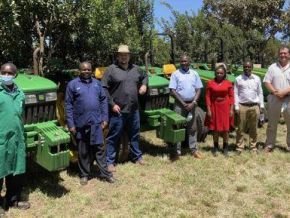
EFAfrica Group Limited (Efag), a Mauritius-based agricultural equipment leasing firm, has secured an additional $7.2 million investment from British agricultural investor AgDevCo. The funding, announced Wednesday, September 3, 2025, aims to bolster Efag’s agricultural leasing offerings for agri-food businesses and service providers across East and Southern Africa, facilitating the acquisition of essential farming equipment for small and medium-sized enterprises (SMEs) in Kenya, Tanzania, and Zambia.
Efag specializes in providing tailored leasing solutions to SMEs that typically face barriers to traditional bank credit due to stringent collateral requirements. Its product portfolio primarily includes trucks, tractors, and other agricultural machinery vital for production and distribution within the agricultural sector.
AgDevCo, a long-standing supporter of Efag, emphasized the strategic importance of this investment. John Jakobsson, Investment Director at AgDevCo, stated, “We are pleased to back EFAG’s continued growth as it expands its footprint and product offering, reaching thousands of entrepreneurs, supporting sustainable
economic growth in rural areas, and contributing to regional food security.”
With over a decade of operations in Tanzania and four years in Kenya, Efag has established itself as a key non-bank financier in the agricultural sector. The company further expanded its footprint into Zambia in 2024, solidifying its regional presence. Between 2013 and the end of 2024, Efag financed more than 4,000 leasing contracts, exceeding $100 million in value. These financings enabled the acquisition of over 1,300 tractors, 700 agricultural tools, and 800 trucks.
Efag’s approach is instrumental in addressing the mechanization deficit in the region, providing agri-food SMEs with access to modern equipment. This, in turn, enhances their productivity and strengthens the overall agricultural supply chain.
This article was initially published in French by Chamberline Moko
Adapted in English by Ange Jason Quenum