
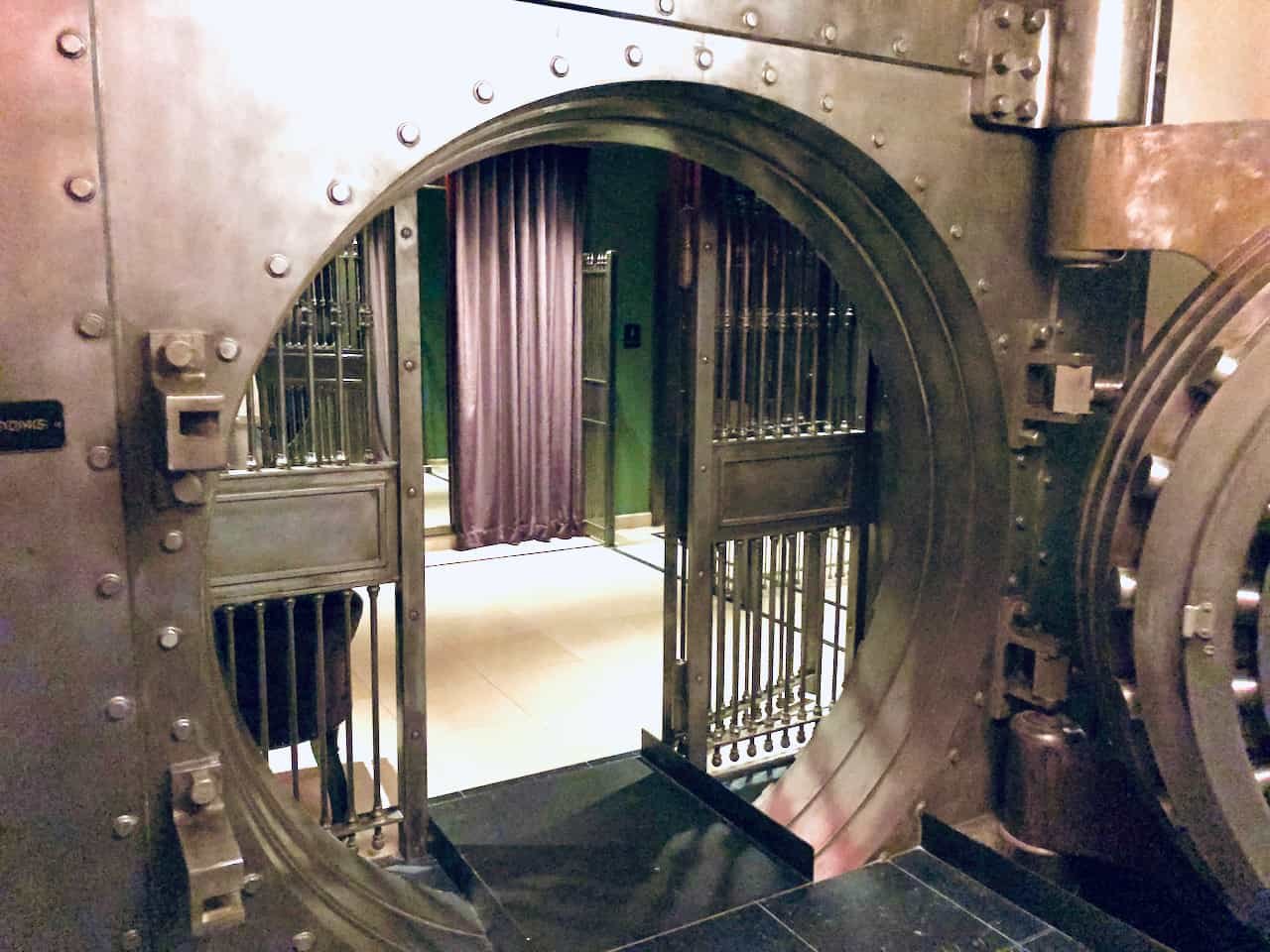
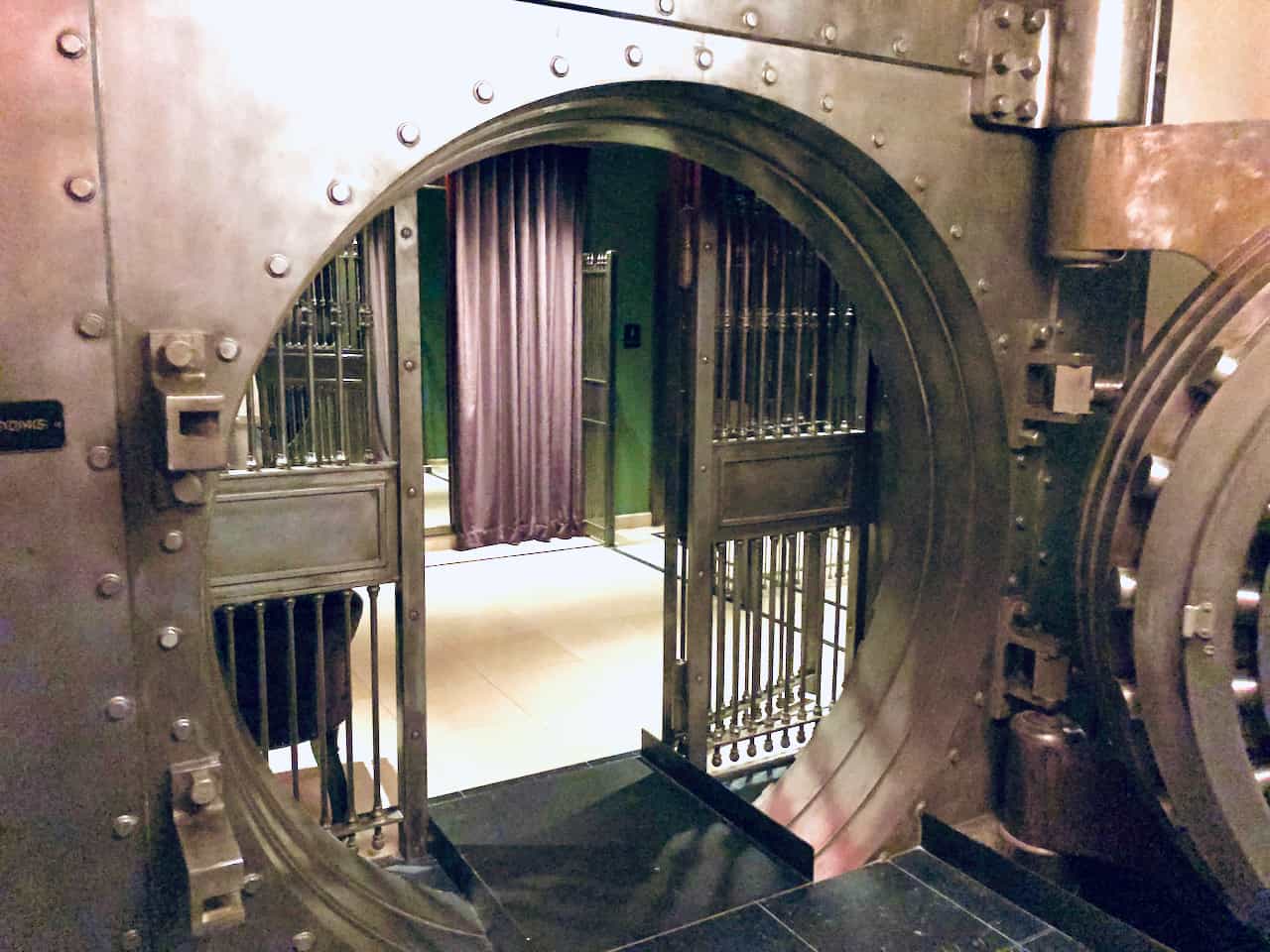
JPMorgan’s plans for data tariffs, which run contrary to a growing move to open data, threaten to kneecap Fintechs. Luckily, many industry participants, led by Fintech Sandbox, see a more collaborative path where everybody wins.
Co-founder Sarah Biller said that, like most businesses, Fintech Sandbox was born out of personal experience. Around 2012, Biller was in Boston building a predictive risk and analytics platform for institutional debt. She sought to identify non-financial factors that were contributing to the widening and contracting of credit spreads. Colleagues sought to solve problems with hedge funds and overnight lending.
These entrepreneurs shared a problem.
“These were very rigorous capital markets products, and it was nearly impossible for any of us to access the data sets we needed, either because the cost was prohibitive or the procurement process was too long,” Biller said. “The sales teams in the traditional market decided it was a lot better to sell 20 licenses to Wellington than it was to deal with one startup.
“What was the stumbling block? It was access to the data sets. It wasn’t like we couldn’t find capital. It wasn’t like there were experienced entrepreneurs at the helm.”
Biller offered the data owners a low-risk proposition. Provide six months of data to an entrepreneur and see what they do with it. Perhaps new products or links to industry partners follow.
The approach worked. Thompson-Reuters signed on early, and close to 50 large data providers followed. Biller credits Fidelity for joining early. They provided an executive with deep industry connections.
The results speak for themselves.
“Over 10 years, we’ve supported 400-plus Fintech entrepreneurs, and 82% of them are still in business or have been acquired,” Biller said. “They’ve raised over $2.5 billion, and they represent entrepreneurs from almost every corner of the world. We’re in 19 countries and on five continents.”
Over 10 years, we’ve supported 400-plus Fintech entrepreneurs, and 82% of them are still in business or have been acquired
“What it’s done is create a new pathway for that data to discover where the localized problems are.”
Those problems are worldwide, with entrepreneurs serving marginalized groups facing the biggest barriers to data. Biller said one of fintech’s strengths is its ability to identify narrower issues to solve. The flip-side of that, however, is that actionable data sets are harder to find.
“We are on the continent of Africa, and have a pretty significant presence in LATAM,” Biller said. “There are innovators in those communities who aren’t encumbered by legacy financial services systems.”
“If we can get data in their hands, they’re building what I might argue is probably the next generation of really interesting financial services solutions.”
Data’s not hard to find for the JPMorgan’s. Thanks to their credit card and account reach, they know the personal and business dealings of millions of people, but they want to keep it from those building the next wave of solutions.
That attitude contributes to the United States being an open data laggard compared to many other regions.
“Australia kicked it off,” Biller said. “I feel like they were really strong architects of open banking. You see fluidity now in the way that even small businesses are being banked; that whole ecosystem is developing.”
“This is yet to be seen, but this could set back the US innovation cycle and financial services. If you can’t put data in the hands of innovators or industry partners, how do you begin to solve the problem of the individual? How do you know them in a way that you can develop products and services or new distribution channels?”
Remove that friction, even for a short period, and watch innovation flourish. Wealth leads to health, which in turn leads to more wealth. Biller regularly sees that from Fintech Sandbox innovators, but data makes it all happen, whether the target market is people, SMBs, or government. This is doubly true in the agentic AI era.
And the sad thing is, we’re on the cusp of so many wonderfully creative solutions. For example, creative minds at Fintech Sandbox are taking fresh looks at parametric insurance by considering migration and the housing industry.
How much can SMBs flourish if Fintechs leverage that open data to allow suppliers to offer POS credit? What if Walmart could offer services for some of the most financially vulnerable?
In an open data era, data, of course, must be protected. Various anonymization and quantum solutions are promising. Data can be both protected and shared.
And expect fintechs to be at the forefront of tackling those problems, too.
“We think that is another area of importance in the next generation, of Fintech 3.0,” Biller said. How is your digital identity protected, and what tools do you have at your disposal?”
e think that is another area of importance in the next generation, of Fintech 3.0